


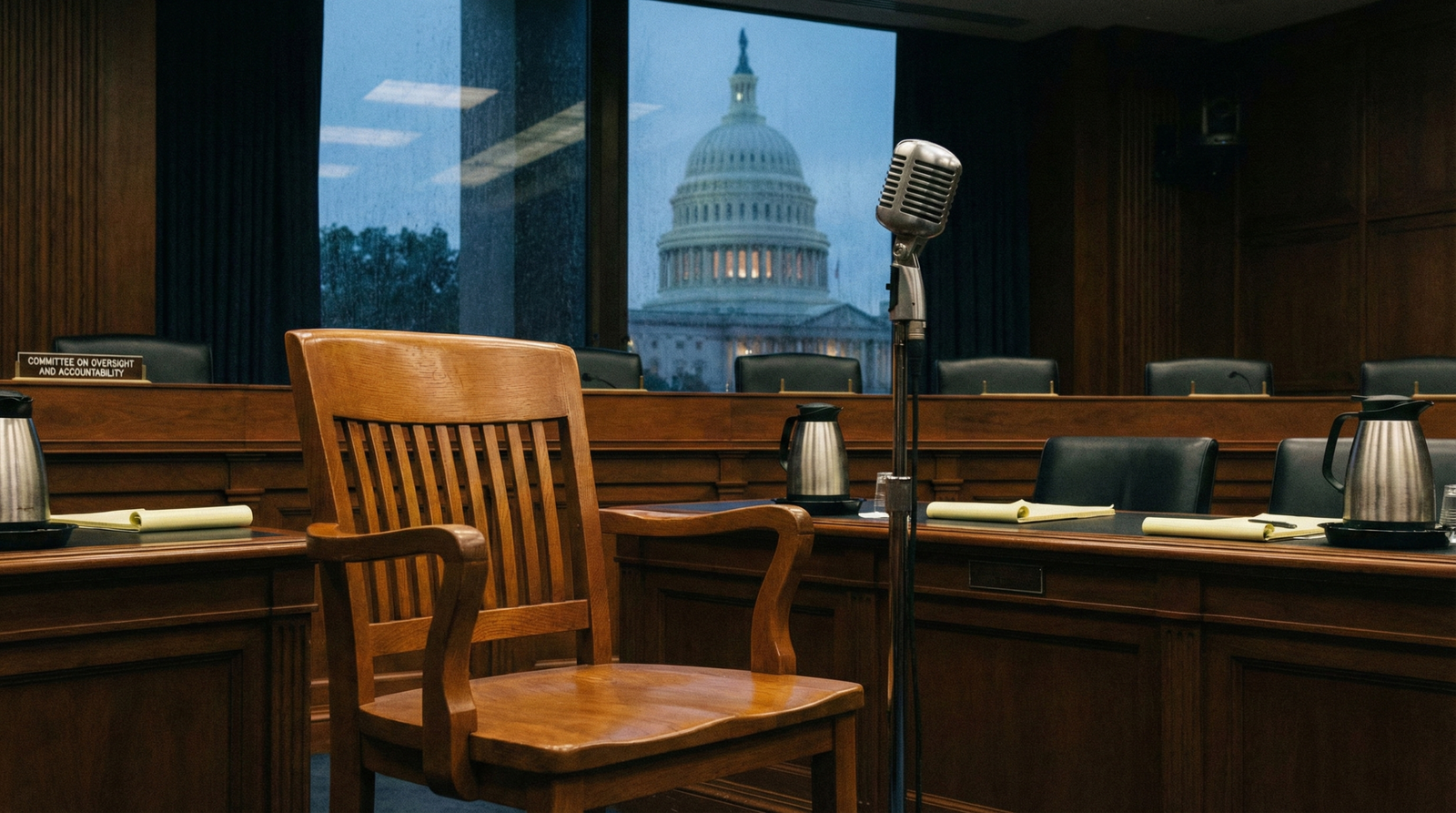

Ghislaine Maxwell, currently serving a 20-year sentence for sex trafficking related to Jeffrey Epstein, plans to invoke her Fifth Amendment right to remain silent in a closed-door deposition before the US House Oversight Committee. Her lawyer, David Oscar Markus, confirmed that Maxwell will not answer questions and will instead read a prepared statement at the start of the session. The deposition is scheduled to take place virtually from the Texas prison where Maxwell is incarcerated.
Maxwell was convicted in 2021 for her role in recruiting underage girls for Epstein, who died in prison in 2019. She has also sought a pardon from former President Donald Trump and has faced accusations of lying to federal officials.
Democratic Representative Ro Khanna stated that Maxwell will be questioned about a court document she submitted last year that mentioned “four named co-conspirators” and 25 others who were not indicted in the Epstein investigation. Khanna also plans to inquire about Maxwell and Epstein’s social ties with Donald Trump and whether discussions occurred regarding a potential pardon. Trump has denied any wrongdoing connected to Epstein and claims to have severed ties with him decades ago. No criminal accusations have been brought against Trump by Epstein’s victims.
Khanna expressed that Maxwell’s decision to invoke the Fifth Amendment appears inconsistent with her previous cooperation. In July, Maxwell met with Deputy Attorney General Todd Blanche, a former personal attorney to Trump, where she reportedly did not invoke the Fifth Amendment. According to a transcript of that meeting, Maxwell denied witnessing any inappropriate behavior by Trump or former President Bill Clinton and stated that a rumored Epstein client list does not exist.
The deposition was initially scheduled for August last year but was postponed at the request of Maxwell’s attorneys pending a Supreme Court ruling about her case. This testimony coincides with the US Department of Justice’s recent release of millions of pages of documents from its Epstein investigation, mandated by a congressional law passed last year. Starting Monday, members of Congress will have in-person access to unredacted versions of nearly three million pages at the Department of Justice.
In response to the document releases, a group of Epstein survivors issued a video urging for greater transparency concerning redactions and unreleased materials. Deputy Attorney General Blanche has denied allegations of a cover-up, stating that no secret evidence regarding other individuals implicated has been withheld or ignored by the Justice Department.
Maxwell’s deposition and the ongoing release of extensive documents highlight continued congressional and public interest in the Epstein case, its wider network, and the pursuit of accountability across all involved parties.