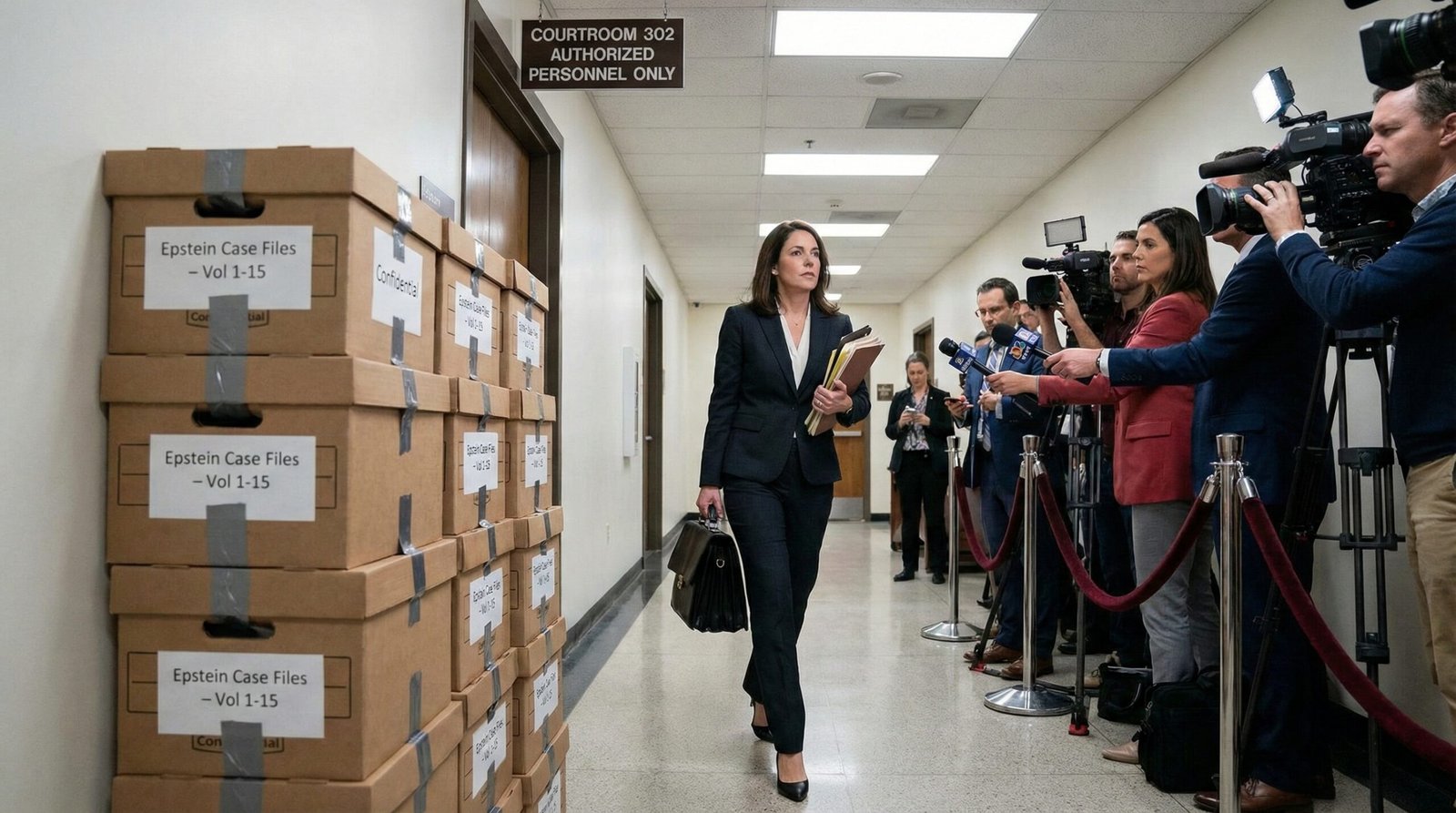

During the recent Super Bowl broadcast, a prominent advertisement urged Attorney General Pam Bondi to release further records relating to Jeffrey Epstein’s sex-trafficking investigations. The ad highlighted dissatisfaction with the Department of Justice’s (DOJ) compliance with the Epstein Files Transparency Act, expressing concerns from survivors and lawmakers about the withholding of key documents.
The Department of Justice has previously disclosed that it released more than three million pages of materials from the Epstein case after an extensive review. The DOJ noted it initially reviewed over six million pages but withheld a substantial portion. Reasons for withholding included protecting the identities of alleged victims and adhering to legal privileges. However, some advocates and lawmakers argue that the department did not fully comply with transparency requirements under the new law.
Among those expressing criticism is Rep. Thomas Massie (R-Ky.), who, along with other members of Congress, plans to visit the DOJ to examine files that remain undisclosed. Epstein survivors, along with Democratic Rep. Robert Garcia (Calif.), have joined calls for increased transparency. The Super Bowl ad featured images of women holding pictures of their younger selves and depicted redacted documents, emphasizing frustrations over inconsistent redactions within the released files.
The commercial, produced by World Without Exploitation, a project of the progressive nonprofit Tides Center, ended with a message stating, “Tell Attorney General Pam Bondi it’s time for the truth.” The ad coincided with public statements by Senate Minority Leader Chuck Schumer (D-N.Y.), who described the advertisement as highly significant and stressed that moving on from Epstein’s case requires full disclosure rather than concealment.
The DOJ has refuted allegations of deliberately withholding information to protect high-profile individuals connected to Epstein. The department emphasized that their review was thorough and that no information was suppressed to shield any notable figures, including former President Donald Trump and former President Bill Clinton, who were acquaintances of Epstein but never accused of related crimes.
Following errors identified in some redactions, the DOJ indicated swift action to correct mistakes when notified. Despite this, concerns remain over the transparency and completeness of the publicly available records.
Attorney General Bondi has not publicly responded to the demand presented in the Super Bowl advertisement. The ongoing debate underscores the complexities involved in balancing victim privacy, legal protections, and public interest in one of the most extensive sex trafficking investigations in recent history.