
Sarajevo, the capital of Bosnia and Herzegovina, hosted the 1984 Winter Olympics when it was part of Yugoslavia. The Games introduced several new venues and were marked as the first Winter Olympics in a socialist country. However, less than a decade after the event, Sarajevo became a central point of conflict during the Yugoslav Wars, leaving many Olympic sites damaged and unused.
The 1984 Winter Games were held from February 8 to 19, featuring competitions at locations such as Jahorina Mountain and Mount Igman. This was a significant international event, particularly following the boycotts of the 1980 Summer Olympics in Moscow, which many Western countries, including the United States, had declined to attend.
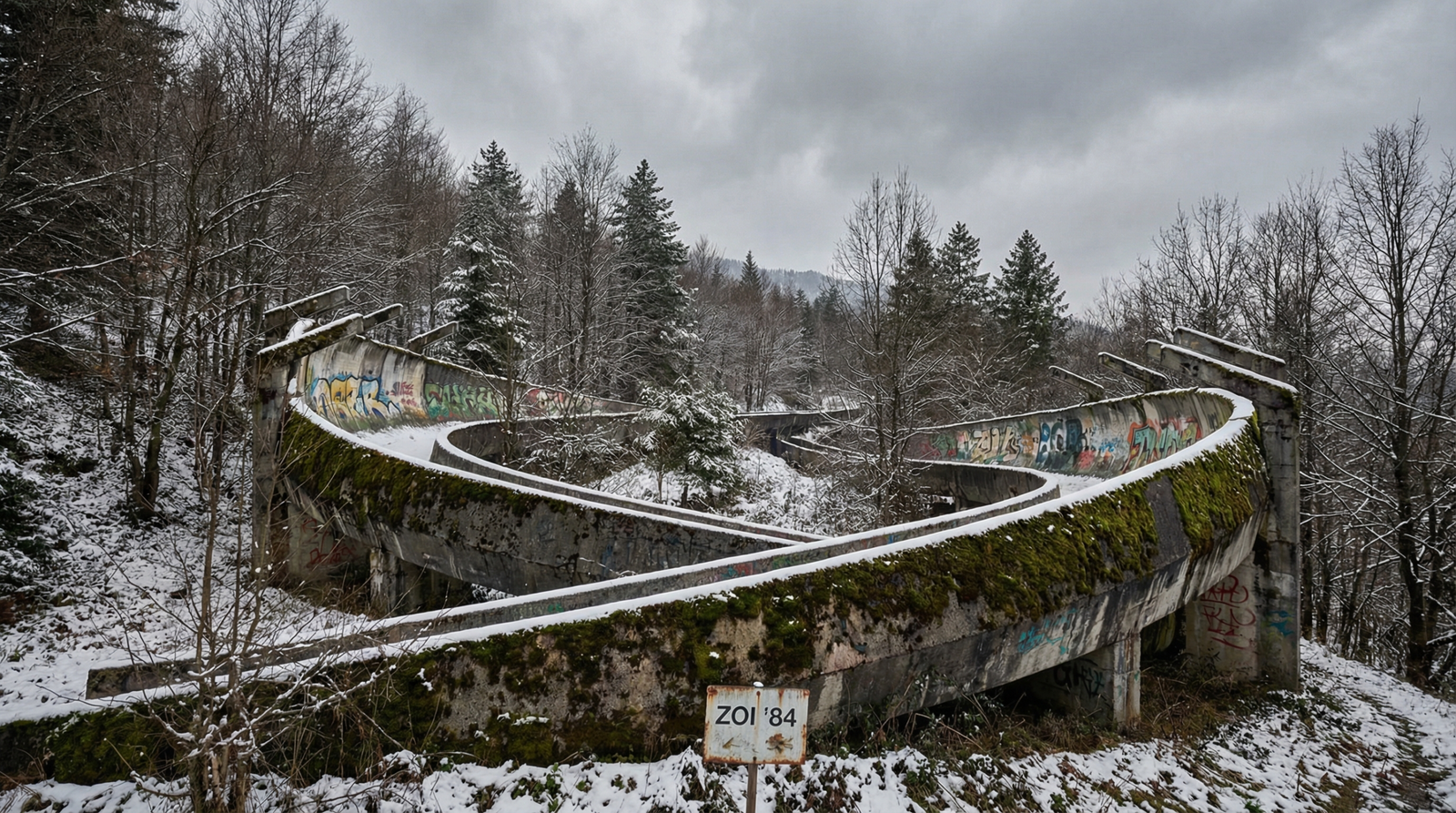
Six years after Sarajevo hosted the Games, Yugoslavia began to collapse, triggering conflict and war that lasted through the 1990s. Sarajevo endured a prolonged siege during this period, regarded as the longest siege of a capital city in modern warfare history. Many Olympic facilities were repurposed during the fighting — for example, the bobsled track on Mount Trebević became an artillery position, and one Olympic Village hotel was converted into a prison and site of executions.
By the end of the Bosnian War in 1996, Sarajevo and its surroundings bore severe war damage. Several venues were heavily exploited or destroyed during this time. The ski jumps on Mount Igman and the bobsleigh track on Mount Trebević were abandoned and left to deteriorate. Due to extensive landmine contamination around these areas, access remained dangerous for years and has only recently been cleared.
Despite the war’s impact, some efforts have been made to preserve parts of the Olympic legacy. The Zetra Ice Hall was rebuilt and reopened by the late 1990s and continues to function as a sports facility today, now called the Juan Antonio Samaranch Olympic Hall. The cable car to Mount Trebević was also restored in 2018, providing access to the former bobsled track area, which has become popular among hikers and mountain bikers.
Many of the other venues, however, remain in a state of neglect or natural reclamation. The once prominent Olympic rings on Jahorina Mountain and at the ski jumps are now weathered or damaged. Graffiti and street art, including images of the 1984 Olympic mascot Vučko, are still visible in Sarajevo, symbolizing a blend of remembrance and urban culture.
The city marks the 40th anniversary of the Winter Games in 2024, acknowledging both the historical significance of the event and the considerable challenges faced in its aftermath. Sarajevo’s Olympic sites serve as a reminder of both past international celebration and the subsequent years of conflict and recovery.
Sarajevo’s experience is part of a broader pattern where Olympic host cities invest heavily in facilities that sometimes fall into disrepair after the event concludes. Current Olympic organizers emphasize the importance of utilizing existing infrastructure to create lasting benefits, as seen with the 2026 Winter Olympics in northern Italy, where most venues are pre-existing or temporary.
Sarajevo’s Olympic venues stand as historical markers, reflecting both the city’s moment on the world stage and the profound challenges that followed. The sites remain emblematic of a complex legacy, combining remembrance of sporting achievement with the scars of conflict and resilience.