




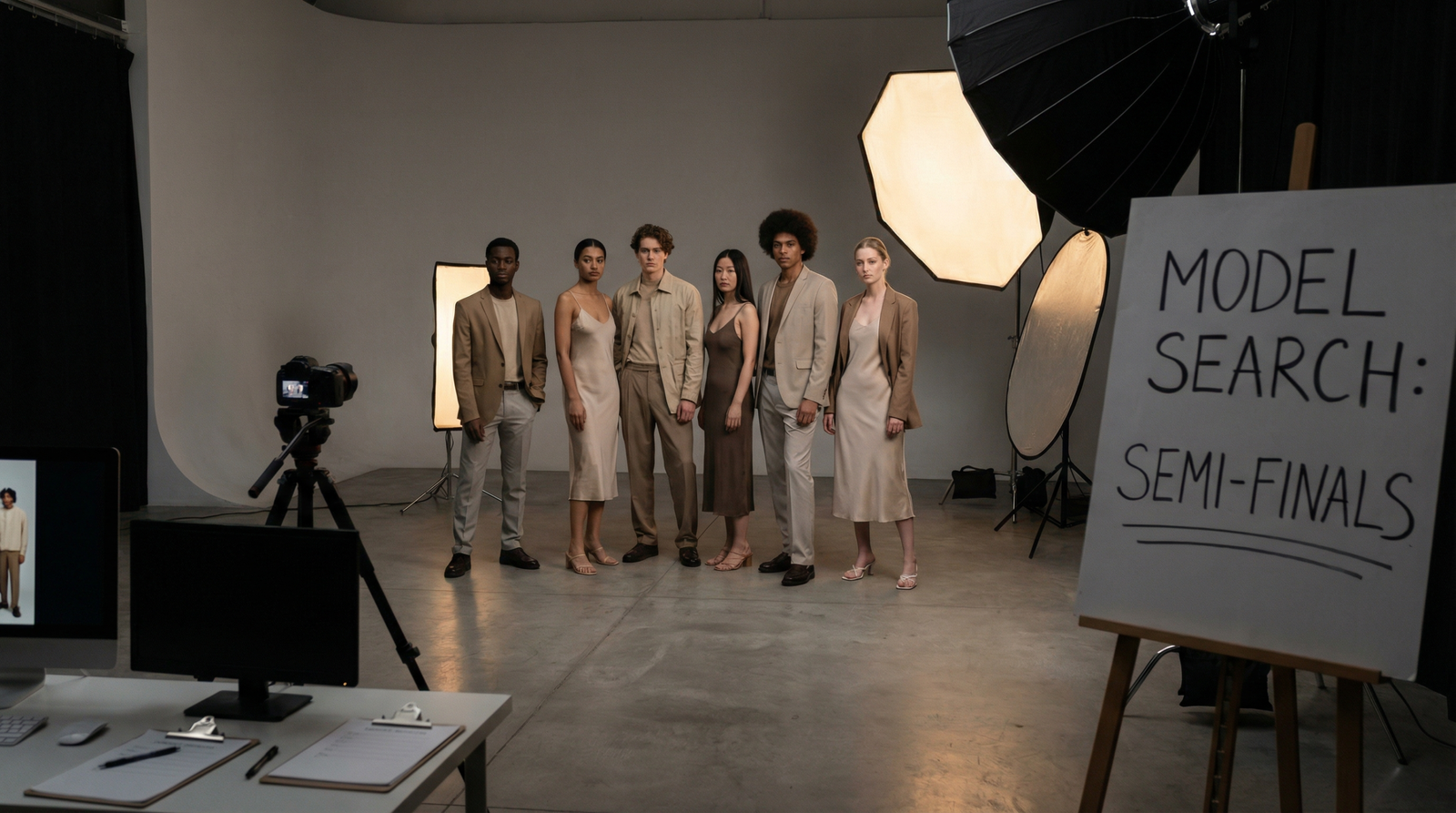

‘America’s Next Top Model’ (ANTM), which debuted in 2003, has been both influential and controversial throughout its run. While the show helped launch careers and changed reality television, it has also been criticized for multiple troubling moments, many of which are discussed in the recent Netflix documentary “Reality Check: America’s Next Top Model.” These incidents include racially insensitive makeup choices, problematic photo shoots, and distressing contestant experiences.
One major controversy involved episodes where contestants were required to wear makeup simulating a different ethnicity, often darkening their skin tone to appear Black. Such instances appeared in Cycle 4 (2005) and Cycle 13 (2009), where contestants wore makeup deemed akin to blackface, sparking accusations of racial insensitivity. Jay Manuel, the photo shoot creative director, expressed discomfort with the concept, stating he was pressured by show executives Tyra Banks and Ken Mok to follow through. Both Banks and Mok have publicly acknowledged the problematic nature of these moments and issued apologies.
Another controversial photo shoot, aired during Cycle 10 in 2008, featured contestants posed as “homeless women” while actual unhoused women appeared dressed in upscale clothing nearby. The juxtaposition drew criticism for seeming out of touch and disrespectful. Isis King, one of the unhoused women present, later became a notable contestant on the show.
Makeover segments on ANTM were often intense and emotionally taxing. In Cycle 8 (2007), contestant Jael Strauss endured an eight-hour weave installation, which was removed shortly after, leading to emotional distress. She was also required to participate in a death-themed photo shoot shortly after losing a close friend to an overdose, an experience she found overwhelming. Strauss passed away in 2018 after battling stage 4 breast cancer.
Medical and emotional concerns were evident in other contestants’ experiences, including Kahlen from Cycle 4, who had to participate in a “seven deadly sins” photo shoot involving being lowered into graves soon after learning about a friend’s death.
One of the most distressing accounts involves Cycle 2 contestant Shandi Sullivan, who was filmed having sex while blacked out drunk during a trip to Milan. Sullivan reported a lack of intervention from producers despite her inability to consent and only being allowed to contact her boyfriend after threatening to quit the show. Executive producer Ken Mok acknowledged the incident, noting the show’s policy of documenting events extensively, while Tyra Banks indicated she was not involved in production decisions related to the scene.
The show also featured heated confrontations, such as Tyra Banks’ infamous outburst toward contestant Tiffany Richardson during Cycle 4’s judging panel. Banks criticized Richardson for appearing to take the competition lightly and stressed the importance of personal accountability. This moment has since become a widely recognized meme and was addressed by Banks in “Reality Check,” where she explained the emotional context behind her reaction.
Despite the show’s popularity and impact, these episodes reveal a complex and controversial legacy. The recent documentary sheds light on ANTM’s darker moments, prompting reflection on the ethical and cultural responsibilities of reality television production.