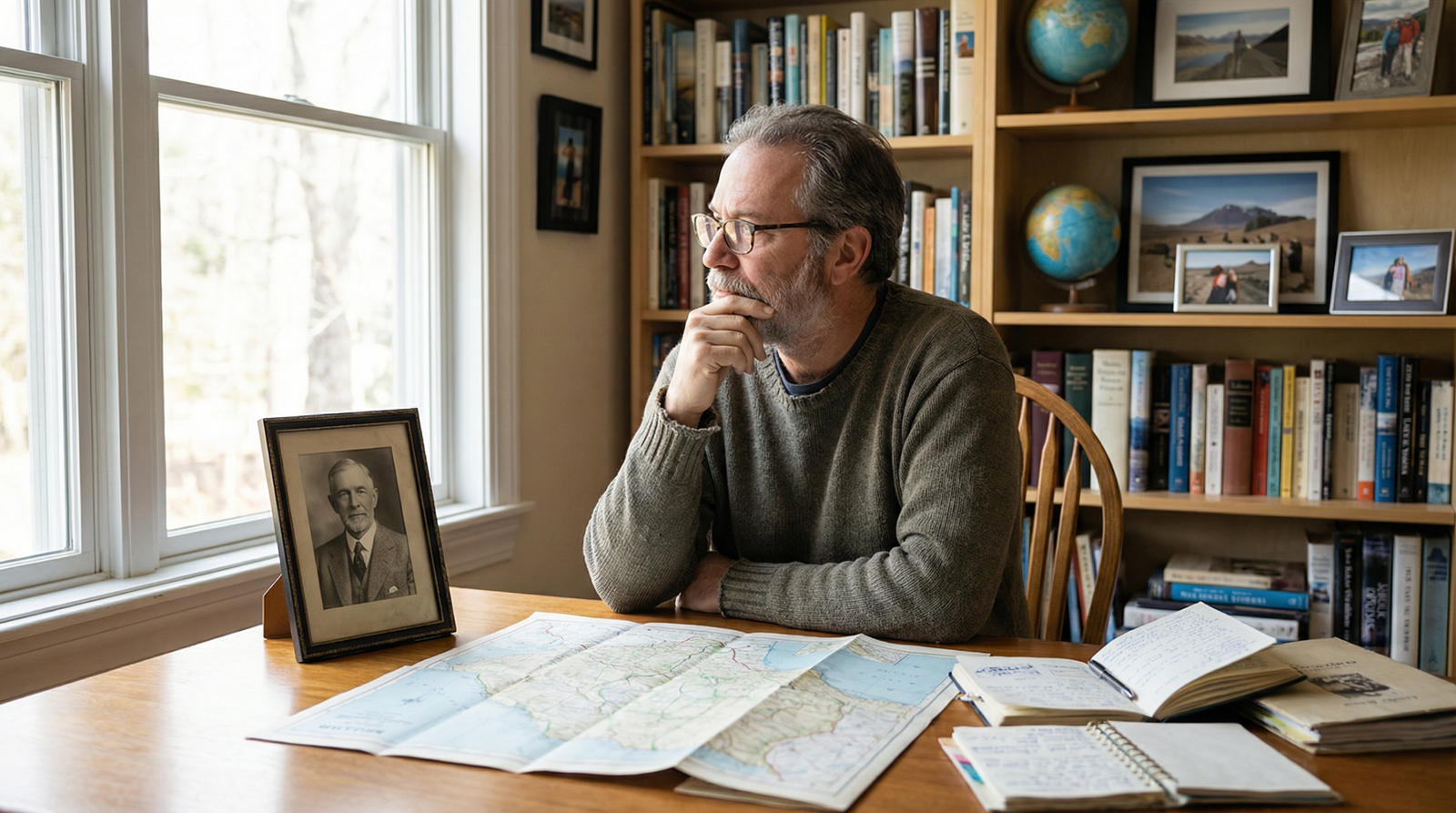

A man reflects on the profound impact his father’s untimely death at 56 had on his views toward life and retirement. His father, who had planned to enjoy retirement playing golf after a long career, was diagnosed with cancer and passed away before reaching that stage. This experience has profoundly influenced the man, now in his 30s, leading him to adopt a more immediate and balanced approach to living and planning.
In 2023, the father reduced his work schedule to four days a week, anticipating a gradual retirement. A long-time insurance underwriter, he had also spent a decade working as a plasterer to better manage his work-life balance. He and his son had many conversations about retirement and plans to take up golf full-time after stepping back from work. However, a cancer diagnosis a year later abruptly changed those plans.
The father’s health declined rapidly, going from active participation in triathlons, marathons, and Ironman races to hospice care within eight weeks. He died on June 19, 2024, due to oesophageal cancer. The time they spent together during those months allowed the son to distill key lessons from his father’s life and attitudes.
The first lesson is to live as though one may not reach retirement. While acknowledging the seriousness of this perspective, the son views it as both pragmatic and motivational. It underscores the importance of practical steps such as updating wills and granting powers of attorney, but also encourages embracing life fully in the present rather than deferring dreams to an uncertain future. The father embodied this lesson through travel and pursuit of sports, influencing his son to prioritize experiences alongside future planning.
The second lesson is to build a life that offers choices. The son recognizes that living solely in the moment without financial planning can be risky. His father worked hard and sought education to create opportunities. This principle guided the son to pursue a corporate law career initially, gaining skills and financial stability that later allowed him the freedom to explore other passions like writing and travel after his father’s death.
The third lesson focuses on finding adventure in everyday life. The father maintained a lighthearted approach to life, balancing seriousness and enjoyment, which contributed to his success. In facing terminal illness, he framed life as a series of adventures, helping his son find joy even in difficult times.
These lessons have reshaped the son’s views on retirement, career, and living. He now prioritizes incremental steps toward a fulfilling life that integrates work, exploration, and personal growth, rather than deferring happiness to distant retirement years. The experience has instilled a nuanced perspective that blends appreciating the present with securing future options, changing how he envisions his own journey into later life.