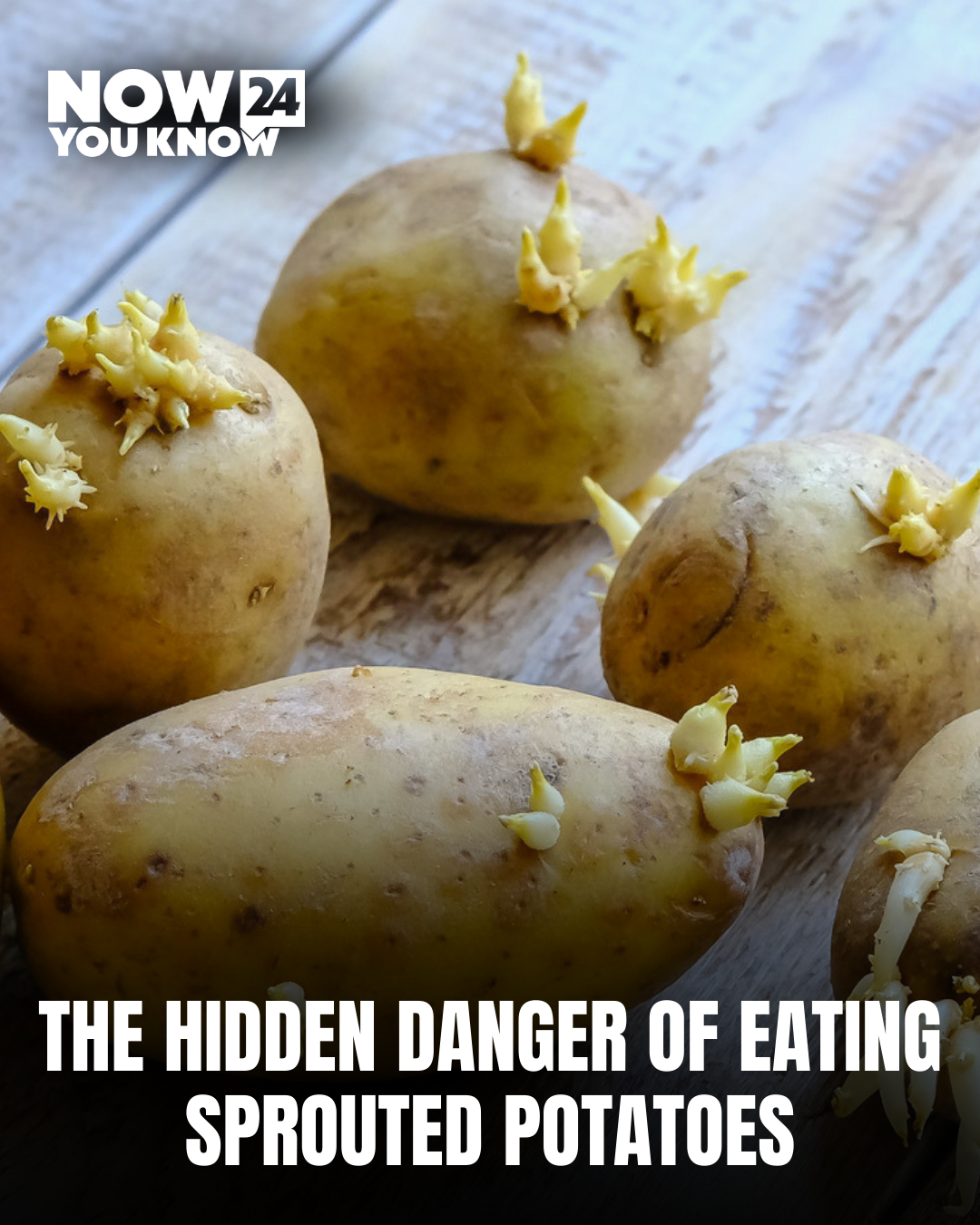

Most people have found a bag of potatoes in the kitchen that started growing small sprouts. While it may seem harmless to simply cut the sprouts off and cook them, experts say this can sometimes carry health risks.
When potatoes begin to sprout, they can produce higher levels of natural compounds called glycoalkaloids. These substances, including solanine, help protect the plant from pests but can be harmful to humans if consumed in large amounts.
As potatoes age and sprout, these compounds can spread throughout the potato, especially if the skin begins to turn green. The green color is often a warning sign that the potato has been exposed to light and may contain elevated toxin levels.
Eating potatoes with high levels of these compounds may lead to symptoms such as nausea, stomach discomfort, vomiting, or headaches in some cases.
Food safety experts recommend discarding potatoes that are heavily sprouted, soft, wrinkled, or green. If a potato only has very small sprouts and still feels firm, removing the sprouts and peeling the potato may reduce the risk.
Proper storage can help prevent sprouting in the first place. Potatoes should be kept in a cool, dark, and well-ventilated place rather than in areas exposed to sunlight.
Many people are unaware of this potential issue because sprouted potatoes are so common in households. However, understanding the warning signs can help avoid unnecessary health risks.
Taking a quick look at your potatoes before cooking them can make a simple difference in food safety.