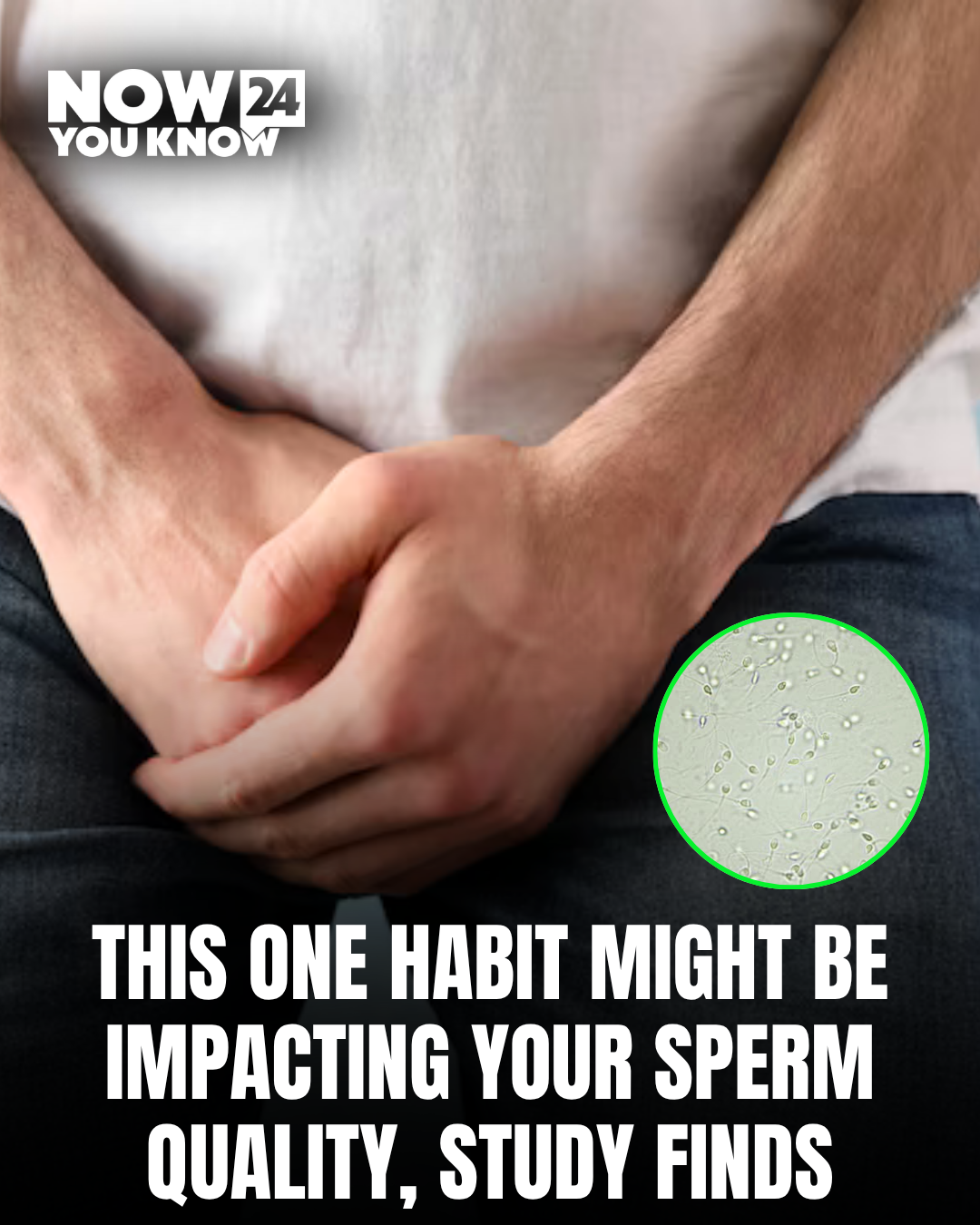

A new study led by researchers at Oxford University suggests that sperm quality may decline the longer it is stored in the body. Scientists found that prolonged abstinence, such as waiting several days between ejaculations, may lead to increased DNA damage and lower sperm mobility.
This finding challenges traditional guidance, including World Health Organization advice that men abstain from ejaculation for 2–7 days before providing semen samples for fertility testing.
The research reviewed data from many studies and showed that regular ejaculation, through sex or masturbation, might help reduce oxidative stress and maintain healthier sperm.
Scientists explain that sperm cells stored for longer periods can experience decreased energy and more cellular damage, which may reduce fertility potential over time.
Experts say these results could influence future recommendations for fertility treatments like IVF, where sperm quality matters just as much as quantity.
However, sexual health specialists caution that every individual is different, and frequency alone isn’t a definitive measure of reproductive health.
They also note that habits only become a concern if they cause discomfort, interfere with daily life, or are part of other health issues.
Overall health, lifestyle, age, smoking, and weight also play major roles in fertility, and this single study is one piece of a larger picture about reproductive wellness.