



In a landmark Supreme Court hearing on April 1, the government’s top lawyer had difficulty answering a key constitutional question in a case that could redefine birthright citizenship.
The hearing centered on President Donald Trump’s executive order seeking to end automatic citizenship for children born in the United States to parents without lawful permanent status. Critics argue this policy contradicts the 14th Amendment, which guarantees citizenship to almost everyone born on U.S. soil.
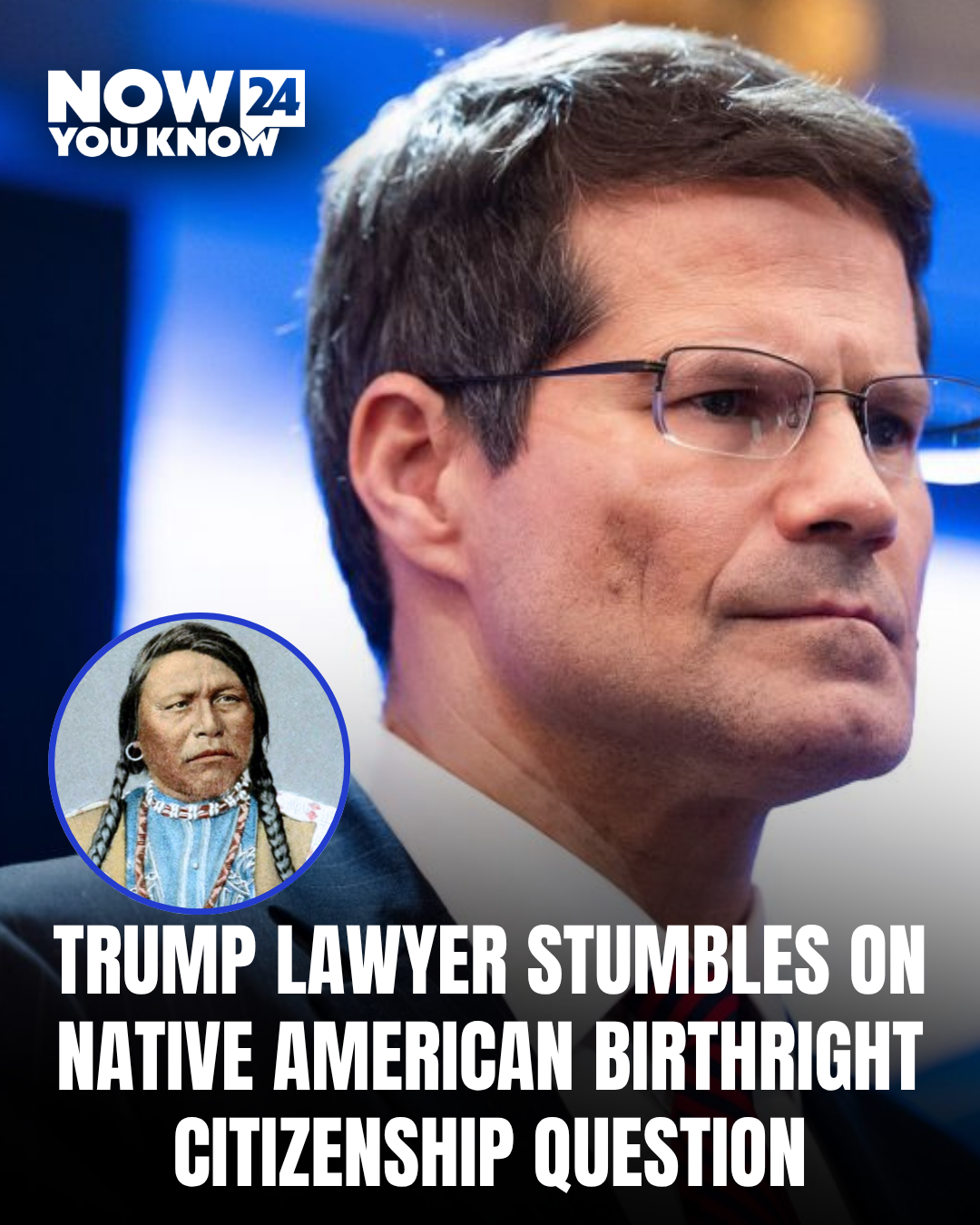
During the arguments, Solicitor General D. John Sauer, representing the administration, was asked whether Native Americans would count as birthright citizens under the new test proposed by the government. Sauer hesitated before referencing the Indian Citizenship Act of 1924, revealing uncertainty about how the administration’s theory would apply in practice.
The exchange highlighted possible weaknesses in the legal strategy. Justices from across the ideological spectrum also raised questions and skepticism about the government’s interpretation of the Constitution.
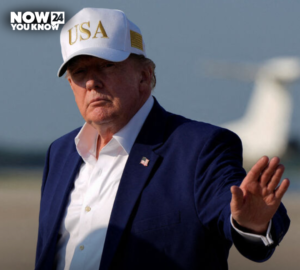
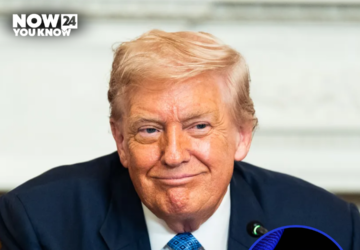
Trump attended part of the hearing, making him the first sitting president known to be present inside the Supreme Court for an argument, though he later criticized birthright citizenship on social media.
The court’s decision could have far‑reaching effects on U.S. immigration policy and citizenship rights. A ruling is expected later this year.