The United States and Iran agreed to a two-week ceasefire just hours before Donald Trump’s deadline for major escalation, but a newly revealed proposal from Tehran could shape what happens next.
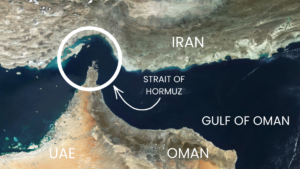
Trump said he paused planned attacks after receiving what he called a “workable” 10-point proposal, while Iran agreed to temporarily reopen the Strait of Hormuz, a key global shipping route.
According to Iranian state media, the proposal includes several major demands. These include the lifting of all sanctions, the release of frozen assets, and a full U.S. military withdrawal from the Middle East.
The plan also calls for an end to attacks on Iran and its allies, along with a binding United Nations resolution to guarantee any agreement. Another controversial point is Iran’s demand to retain control over the Strait of Hormuz, something it did not have before the conflict.
Iranian Foreign Minister Abbas Araghchi said the strait would remain open for now, but under Iranian military coordination. Reports suggest vessels could even face fees of up to $2 million per transit, raising global concerns.
U.S. officials have not directly accepted the terms, and analysts say some of Iran’s demands may be too far-reaching to agree to in full. Senator Chris Murphy warned that giving Iran control over the strait would be “cataclysmic for the world.”
Meanwhile, Israel, led by Prime Minister Benjamin Netanyahu, has backed the temporary ceasefire but insists Iran must stop attacks and reopen the strait fully.

Diplomatic talks are expected to continue, with Pakistan’s Prime Minister Shehbaz Sharif inviting both sides to negotiations in Islamabad.
For now, the ceasefire offers a brief pause — but whether this 10-point plan leads to peace or further conflict remains uncertain.