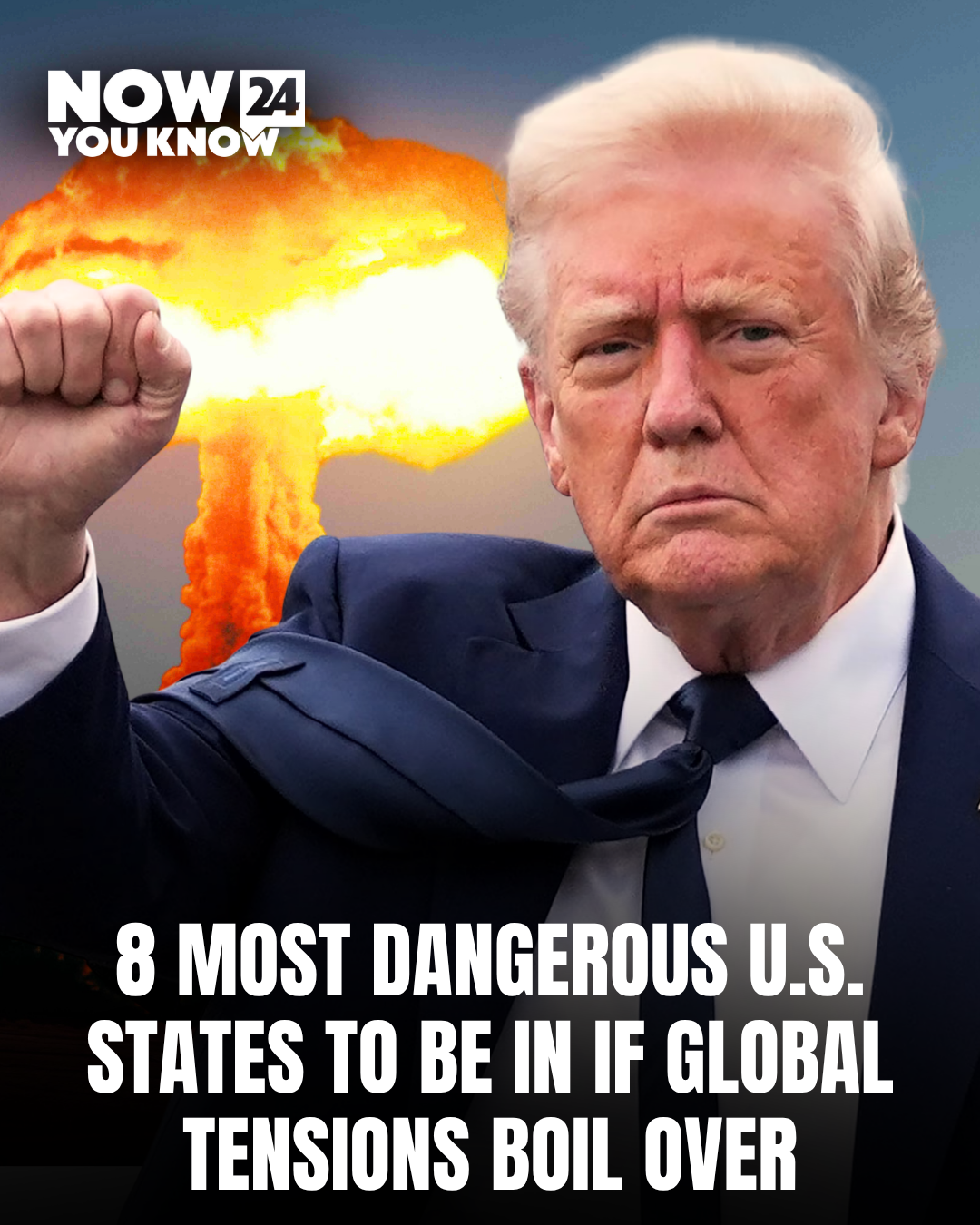

As global tensions rise, many are asking what a worst-case scenario could look like — and which parts of the United States might be most at risk.
According to analyses based on military strategy and nuclear targeting models, certain states could face higher danger due to their proximity to key missile silos and military infrastructure.
Experts suggest that in the event of a large-scale conflict, especially one involving nuclear weapons, attacks may focus less on major cities and more on disabling a country’s ability to respond.
This means areas with intercontinental ballistic missile (ICBM) sites could become primary targets. Based on these assessments, the states most often highlighted include:
Montana, Wyoming, Colorado, Nebraska, South Dakota, North Dakota, Iowa, and Minnesota.
Many of these states are located in the Midwest and are home to significant parts of the U.S. nuclear defense system, making them strategically important in any potential conflict.
However, experts stress that this is based on simulations and theoretical scenarios — not predictions. In reality, the effects of a nuclear conflict would extend far beyond any single region.
As one analyst noted, “nowhere is truly safe” due to the widespread impact of radiation, environmental damage, and long-term fallout.
Even areas considered lower risk could still face serious consequences, including contamination of food, water, and air, as well as global disruptions to climate and supply chains.
While these discussions can be alarming, experts emphasize that such scenarios remain highly unlikely — and are primarily used to understand risks rather than predict outcomes.