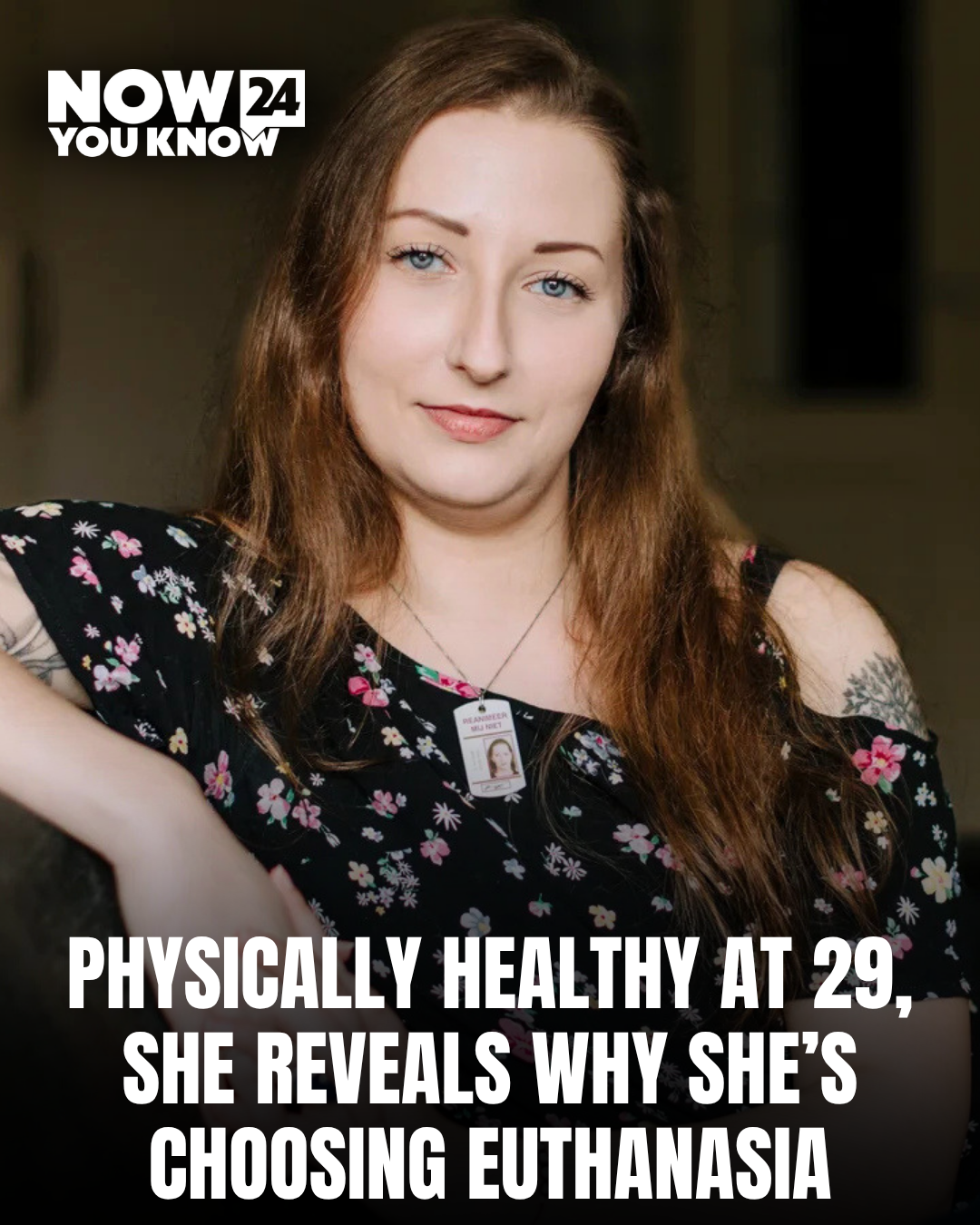

The story of Zoraya ter Beek, a 29-year-old woman from the Netherlands, has drawn global attention after she chose euthanasia following years of severe mental suffering.

Ter Beek struggled with chronic depression, anxiety, trauma, autism, and a personality disorder, conditions she said made daily life unbearable despite years of treatment.
Under Dutch law, euthanasia is legal in specific cases where a person is experiencing “unbearable suffering with no prospect of improvement”, and only after a strict multi-step approval process.
Reports indicate that her request was not immediate, but followed a process that lasted more than three years, involving multiple medical evaluations and independent reviews before final approval was granted.
Ter Beek publicly spoke about her decision, explaining that doctors had told her that no further treatment options were likely to improve her condition, which influenced her choice.
Despite being physically healthy and having a partner and support system, she said her mental suffering remained constant, challenging common assumptions about who qualifies for assisted dying.
Her case became widely discussed because euthanasia for psychiatric conditions remains rare but increasing in the Netherlands, raising ethical and legal questions across Europe and beyond.
Zoraya ter Beek died in May 2024, and her story continues to fuel debate around mental health care, patient autonomy, and the limits of assisted dying laws.