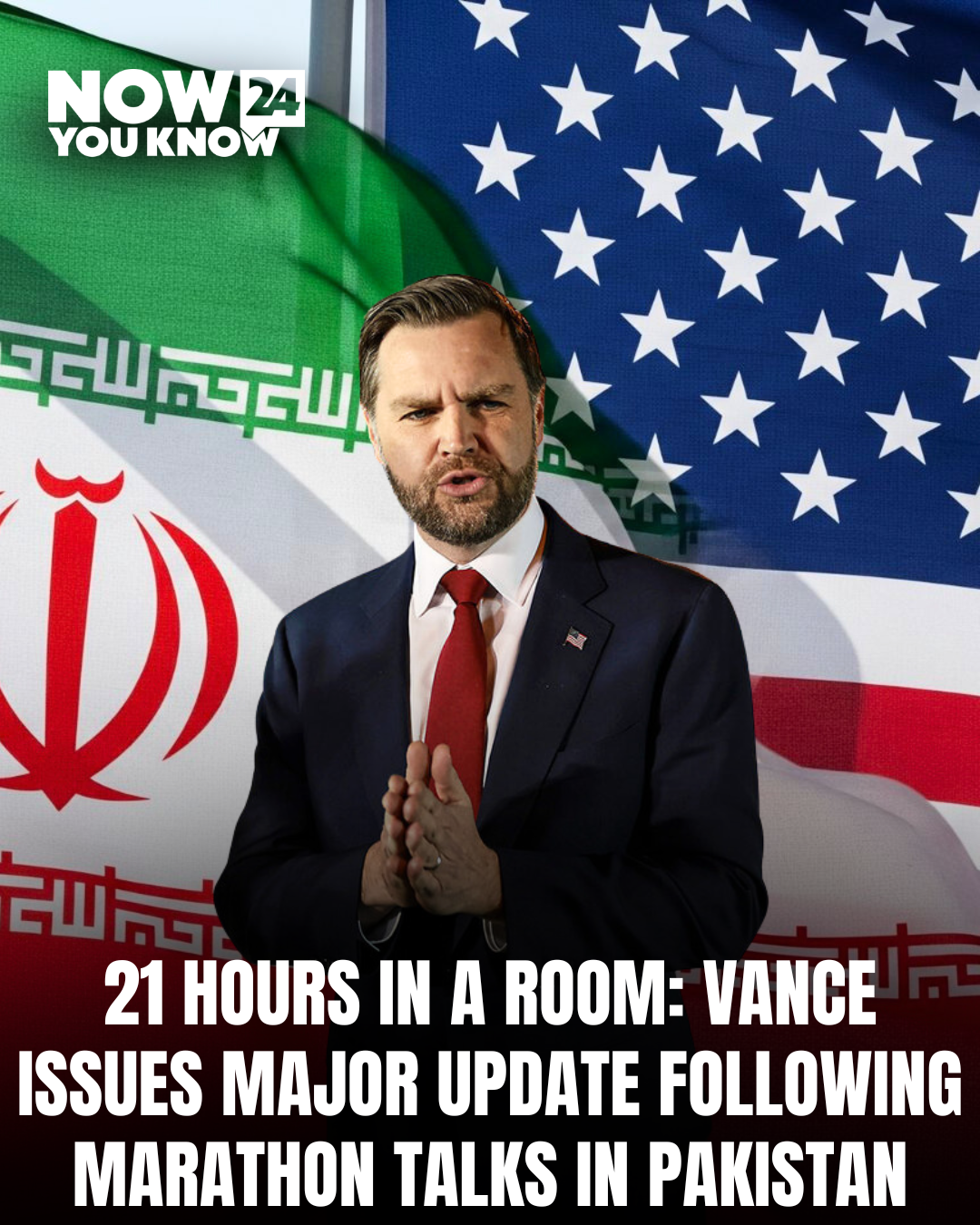

High-stakes talks between the United States and Iran have ended without a deal, raising serious questions about what comes next in a conflict that has already shaken global stability.
The negotiations, held in Islamabad over nearly 21 hours, were aimed at securing a longer-term agreement and stabilizing a fragile ceasefire currently in place between the two sides.
Despite what officials described as “serious discussions,” both sides walked away without reaching an agreement, leaving major issues unresolved.
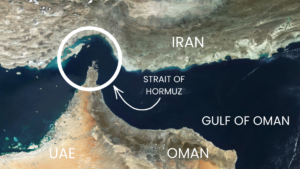
At the center of the disagreement are key demands involving Iran’s nuclear program, sanctions, and control of the Strait of Hormuz, one of the world’s most critical oil routes.
The ceasefire, which had temporarily reduced tensions, is now at risk of collapsing if negotiations fail to resume or produce progress in the coming days.
Officials on both sides have signaled that talks may continue, but the lack of a breakthrough highlights just how deep the divide remains between Washington and Tehran.
Meanwhile, regional tensions continue to rise, with ongoing conflict involving Israel and Hezbollah in Lebanon further complicating efforts to secure a lasting peace.
With global oil supplies, military escalation, and geopolitical stability all on the line, the outcome of future negotiations could have far-reaching consequences for the region and the world.