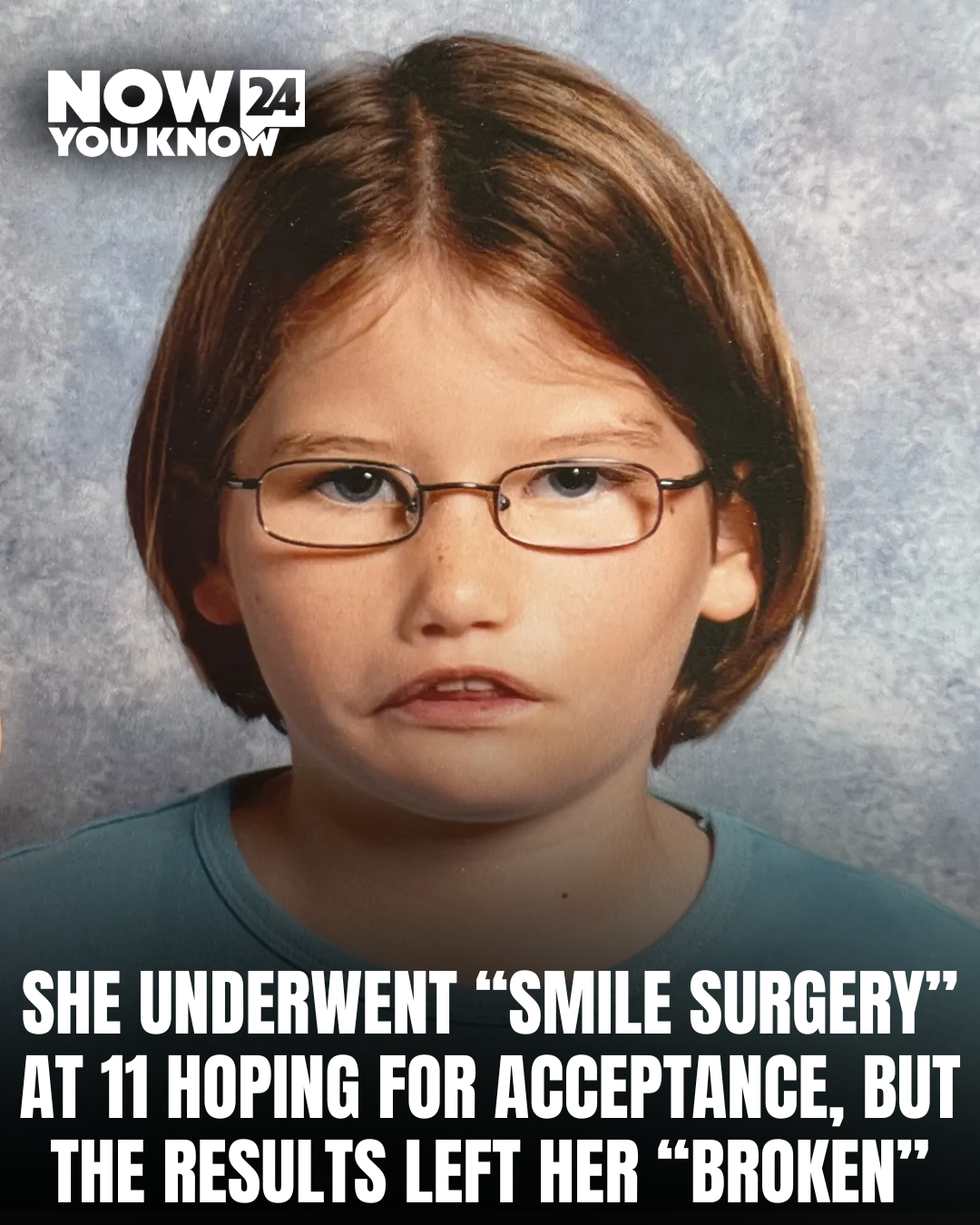

A young girl’s hope to change her life through surgery turned into a long and painful journey after the results did not go as expected. Now, years later, her story is shedding light on the emotional impact of appearance-based stigma and the pressure to “fit in.”
According to an exclusive report, the woman, now 28, has opened up about undergoing a complex procedure as a child that she believed would help her finally be accepted.
Living With a Rare Condition
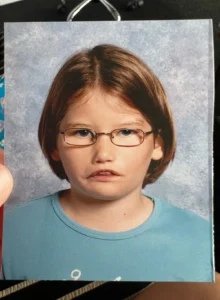
The woman, Tayla Clement, was born with Moebius syndrome, a rare neurological disorder that causes facial paralysis. This meant she could not smile, move parts of her face, or fully control eye movement.
From an early age, she faced constant bullying, which deeply affected her self-esteem and mental health. By the time she was 11, she believed that being able to smile would change how others treated her.
The Surgery That Promised Change
At 11 years old, she underwent a major 10-hour procedure often referred to as “smile surgery.” The operation involved transferring tissue from her leg to her face in an attempt to create the appearance of a smile.
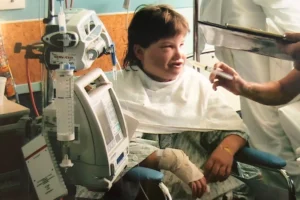
Doctors warned that the surgery might not work, but she was determined to go through with it, believing it could transform her life socially and emotionally.
The Moment Everything Changed
After the operation, there was a short waiting period before the outcome became clear. When she first saw her reflection, she immediately realized the surgery had not been successful.
She later described feeling “broken” in that moment, a feeling that stayed with her for years.
Bullying and Health Struggles Intensified
Returning to school after the surgery proved even more difficult. The bullying continued and, in some cases, worsened. The stress became so severe that she began experiencing seizures linked to emotional strain.
By her late teens, doctors doubted she would be able to live independently due to her health challenges.
Turning Point and Recovery
At 19, she made a decision to take control of her life and began intensive therapy. Over time, she worked on both her physical and emotional healing.
Gradually, her condition improved, and the seizures became less frequent as she gained confidence and acceptance of herself.

Life Today and a Different Perspective
Today, she lives independently, works in the medical field, and shares her story online with a large audience. She now says she is grateful the surgery did not succeed, believing it shaped her into a stronger and more empathetic person.
Her story highlights the importance of acceptance, both from society and within oneself, especially for those living with visible differences.