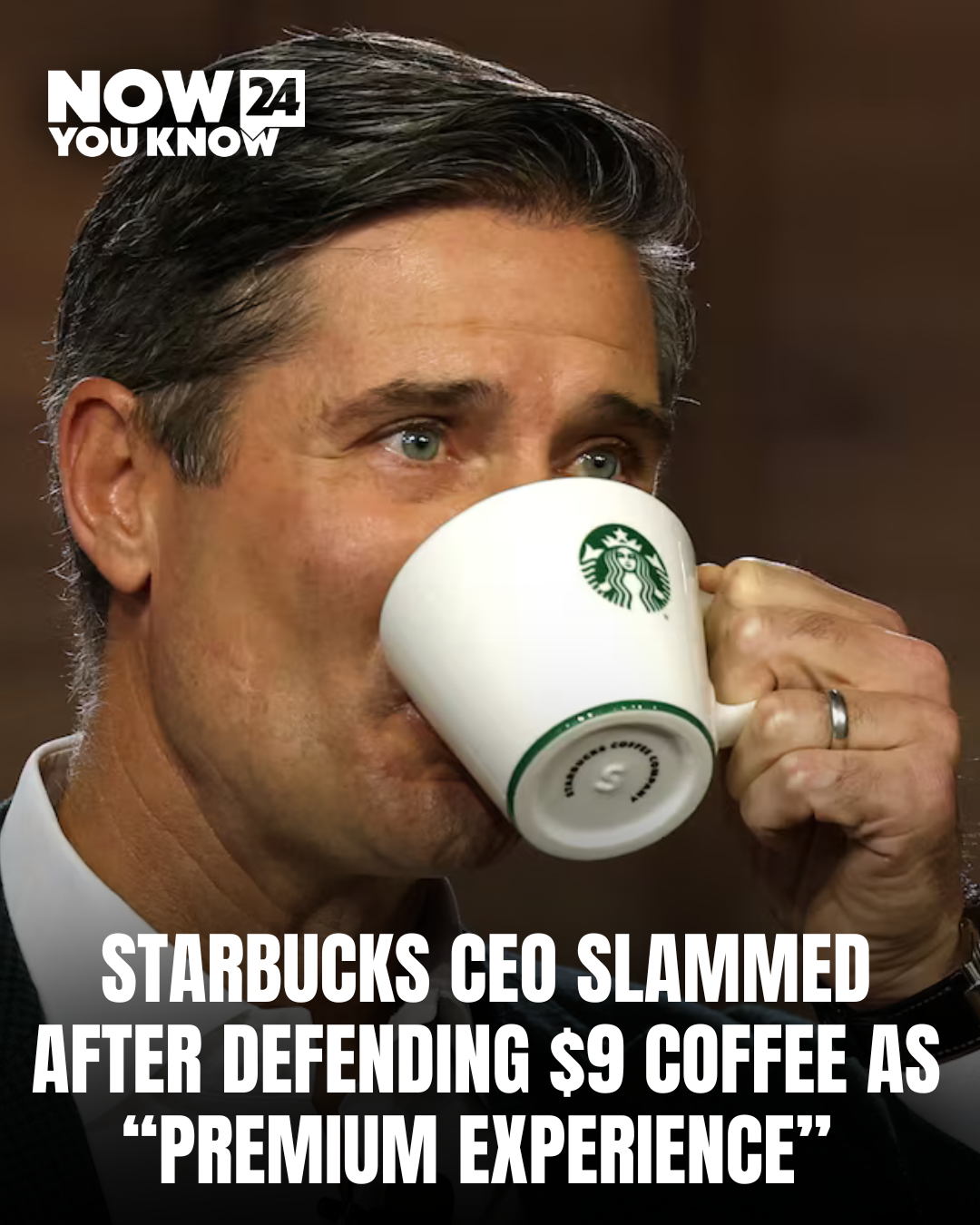

The leadership at Starbucks is currently under fire following comments regarding the brand’s rising prices and its perceived value in a struggling economy. CEO Brian Niccol recently defended the cost of drinks that can reach as high as $9, characterizing the purchase as an “affordable premium experience.” This defense comes at a time when many consumers are tightening their budgets and questioning the true cost of daily habits.

Niccol suggested that the high price point is justified by the atmosphere of the cafes and the human interaction provided by staff. He argued that customers across various income levels view a Starbucks visit as a worthwhile “splurge,” citing the opportunity for a “moment of connection” with a barista. However, these comments have sparked a wave of criticism from patrons who feel the brand has shifted away from its community focused roots toward a high volume, fast food model.
The Disconnect Between Corporate and Customer
Public reaction to the “premium experience” narrative has been largely skeptical, with many social media users pointing out that the majority of orders are now placed via mobile apps for quick takeaway. The idea that customers are paying nearly $10 specifically for a seat or a brief conversation has been labeled as “out of touch” by critics. For many, the reality of a modern Starbucks visit involves long wait times and crowded standing areas rather than a relaxed, high end environment.
The backlash has been further intensified by reports of the CEO’s personal travel habits. Critics have highlighted the irony of a corporate leader advocating for the value of a $9 coffee while reportedly utilizing a private jet for his commute. This perceived gap between executive luxury and the everyday financial pressures of the customer base has become a focal point for those frustrated by corporate pricing strategies in 2026.
Gen Z and the Value Perception
Despite the criticism, corporate leadership maintains that younger generations are more engaged with the brand than ever. Niccol claimed that Gen Z and Millennials are driving strong performance metrics, suggesting these cohorts prioritize the brand’s image and the “special experience” it provides. This demographic focus is a key part of the company’s strategy to maintain its market share even as local, independent specialty shops offer competitive pricing.
Market analysts suggest that the “curiosity” around limited edition seasonal drinks and viral social media trends has helped keep younger audiences coming back. However, reliance on these trends can be risky if the core value proposition begins to erode. If the price continues to climb without a tangible increase in quality or service, even the most loyal brand enthusiasts may reach their breaking point.
Assessing the Future of the Daily Splurge
The controversy highlights a growing tension in the retail industry regarding what constitutes “value.” For Starbucks, the challenge lies in convincing the public that a mass produced beverage carries the same weight as a luxury service. As wages struggle to keep pace with the rising costs of living, the “daily coffee” has become a symbol of the larger debate over inflation and consumer spending.
Whether Starbucks can successfully pivot back to a “premium” feel remains to be seen. To maintain authority in the coffee space, the brand may need to focus more on the quality of the product rather than the “experience” of the transaction. For now, the public remains unconvinced that a name on a cup and a few seconds of small talk are worth the premium price tag.