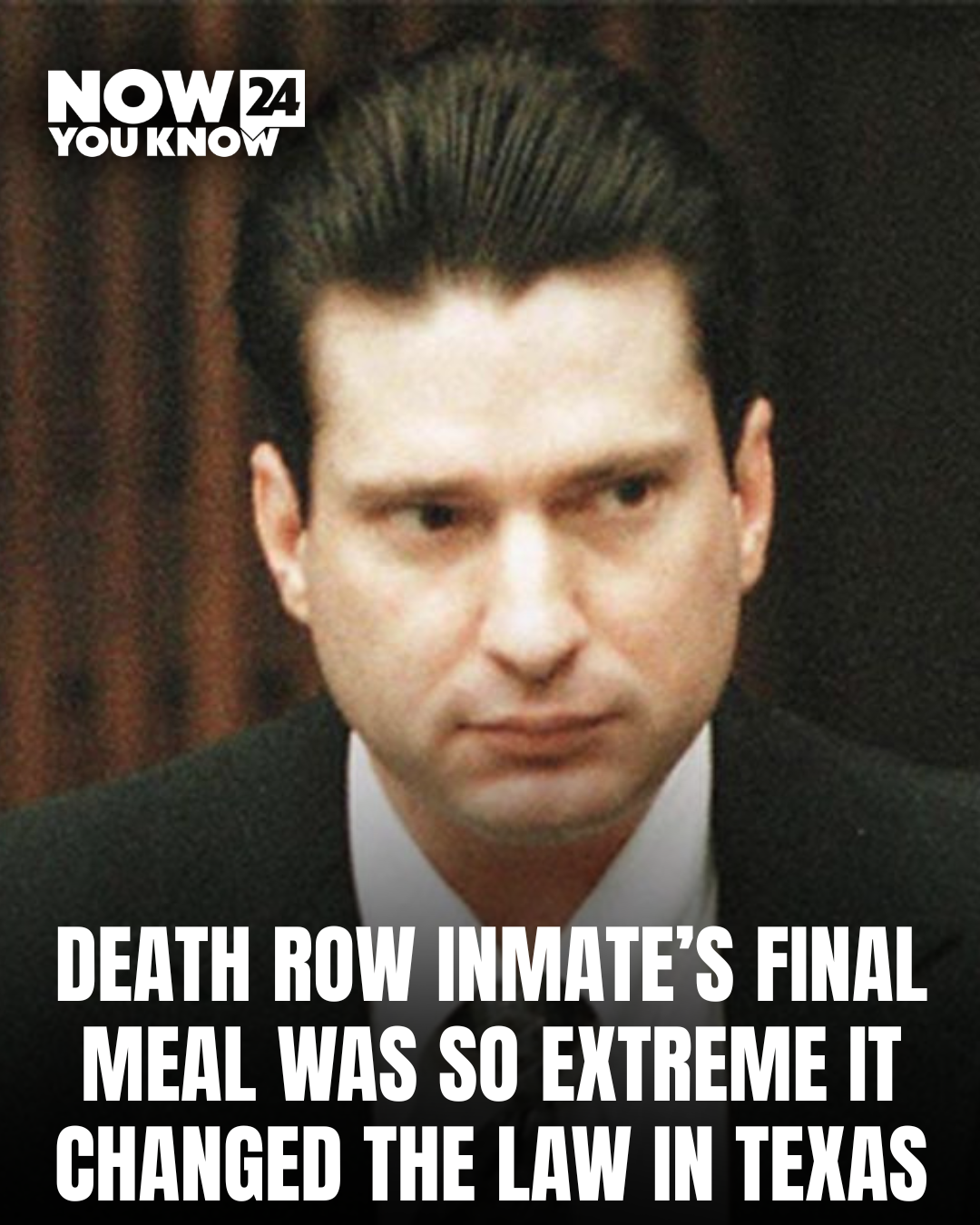

A single last meal request was all it took to end a decades-old tradition in Texas — and the story behind it is as unsettling as it is controversial.
For years, death row inmates across much of the U.S. were allowed to choose a final meal before execution. The requests ranged from simple comfort food to extravagant, headline-grabbing feasts. But in Texas, that practice came to an abrupt end in 2011 — all because of one inmate’s actions.
A Tradition With Deep Roots
The idea of a “last meal” dates back centuries, with origins often traced to ancient civilizations like Rome and Greece. Some believed offering food to the condemned could prevent restless spirits or serve as a final act of humanity.
In modern times, the ritual became a strange cultural fascination — with people often debating what their own final meal would be.
But in Texas, that conversation no longer applies.
The Crime That Shocked America
The case centers on Lawrence Russell Brewer, a white supremacist convicted of the brutal 1998 murder of James Byrd Jr..
Byrd was beaten and then dragged for miles behind a pickup truck — a crime so horrific it sparked national outrage and helped lead to the passing of the Matthew Shepard and James Byrd Jr. Hate Crimes Prevention Act under Barack Obama.
The Last Meal That Ended It All
Before his execution in 2011, Brewer submitted an enormous last meal request.
It included:
- A triple-meat bacon cheeseburger
- Chicken-fried steak
- Fried okra with ketchup
- A cheese omelette with beef and vegetables
- Three fajitas
- A pound of barbecue
- Pizza
- Ice cream, fudge, and multiple root beers
Prison staff prepared the meal.
But when it was served, Brewer refused to eat any of it — reportedly saying he wasn’t hungry.
One Decision, Lasting Impact
That moment sparked outrage — particularly from Texas State Senator John Whitmire.
Within days, he pushed to abolish the long-standing tradition entirely, calling it inappropriate and unnecessary.
Texas officials agreed.
After 87 years, the state officially ended the practice of offering special last meals to death row inmates.
What Happens Now?
Today, inmates facing execution in Texas receive the same standard meal served to every other prisoner that day.
No special requests. No final indulgence.
Just a routine meal — marking the end of a tradition that once symbolized a final gesture of humanity, but ultimately became too controversial to continue.
Why This Story Still Stands Out
More than a decade later, Brewer’s final act continues to shape prison policy — and spark debate.
Was ending the tradition justified?
Or did it remove one of the last symbolic human touches from an already severe system?
Either way, one thing is certain: a single uneaten meal changed the rules forever.