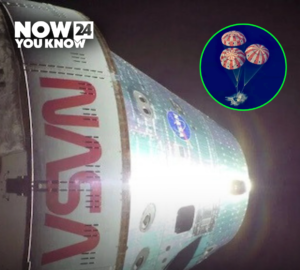
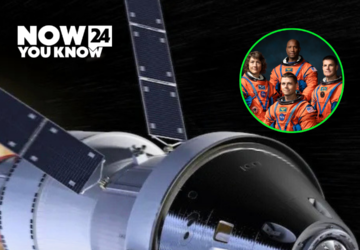




NASA’s historic Artemis II mission is entering what experts describe as its most dangerous phase, as the crew prepares for a high-speed return to Earth after traveling around the Moon.
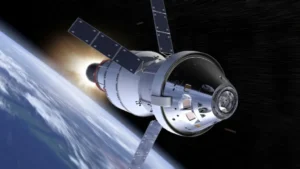
The mission, which marks the first crewed lunar journey in more than 50 years, has so far successfully completed its objectives, including a flyby of the Moon and deep space testing of the Orion spacecraft.

However, the most critical moment is still ahead. The spacecraft must now reenter Earth’s atmosphere at speeds of around 25,000 miles per hour, generating extreme heat and pressure.
During this phase, the Orion capsule will be surrounded by temperatures reaching up to 2,700°C to 3,000°C, effectively turning it into what astronauts have described as a “fireball” during descent.
The entire mission depends on the performance of the spacecraft’s heat shield, which protects the crew from these intense conditions. Concerns were raised after the previous Artemis I mission showed unexpected wear and cracking in the heat shield material.
NASA has since made adjustments and conducted further testing, but Artemis II will be the first real test of these fixes with astronauts onboard, making the stakes significantly higher.
Space experts note that atmospheric reentry has historically been one of the most dangerous parts of any space mission, with past failures leading to major disasters and program delays.
If successful, Artemis II will clear a major hurdle for NASA’s long-term goal of returning humans to the Moon and eventually sending astronauts to Mars.