



Brennan Lee Wakey, 30, was sentenced to 25 years in prison on March 17, 2026, after being convicted of manslaughter for the death of his friend Colton Wright, 24. The fatal shooting occurred on December 9, 2021, at the Hyatt Place Hotel in Sarasota, Florida. Wakey was also sentenced to five years for tampering with evidence, charges which will be served concurrently with the manslaughter sentence.
Wakey had initially been charged with second-degree murder but was found guilty of the lesser charge following a jury trial. He admitted to shooting Wright but claimed it was an act of self-defense, alleging that Wright, who struggled with methamphetamine addiction, attacked him with a glass margarita bottle.
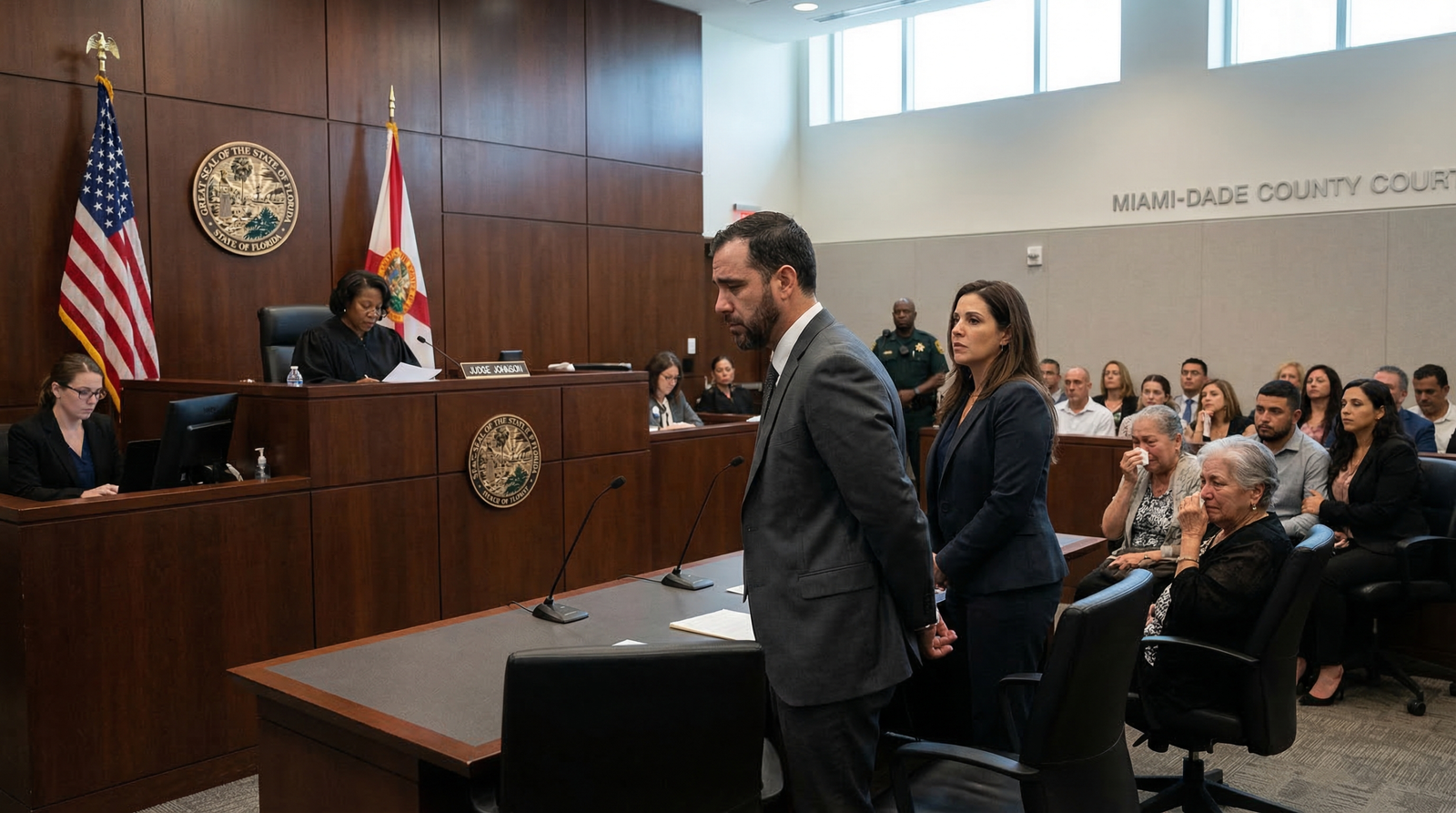
During the emotional sentencing hearing, several of Wright’s family members spoke about the impact of the tragedy. Amy Thompson, Wright’s mother, described her son as “loved by everyone” and full of life before his relationship with Wakey began. Thompson expressed her anger and sorrow directly to Wakey, calling him a “con artist” and said she believes he does not deserve to ever be released from prison. She concluded her remarks by saying, “May you rot in hell.”
Wakey’s defense team objected to some of the statements made by the victim’s family. Wakey himself addressed the court, offering condolences and repeatedly apologizing to Wright’s family. He said he is deeply sorry and asked for forgiveness, emphasizing that he is already suffering from the consequences of his actions. “In a way, it doesn’t matter what the sentence today is,” Wakey stated. “Even if it was the maximum, even if it was life, it’s not going to change that I have to live with the knowledge that I took the life of somebody I cared about.”
Judge Thomas Krug presided over the sentencing and rejected the defense’s request for a reduced sentence below the state’s sentencing guidelines, which range from approximately 10.5 to 30 years. Ultimately, the court handed down a combined 25-year sentence for manslaughter and a concurrent five-year sentence for evidence tampering.
The case highlights complex issues involving self-defense claims, substance abuse, and tragic loss within close relationships.