




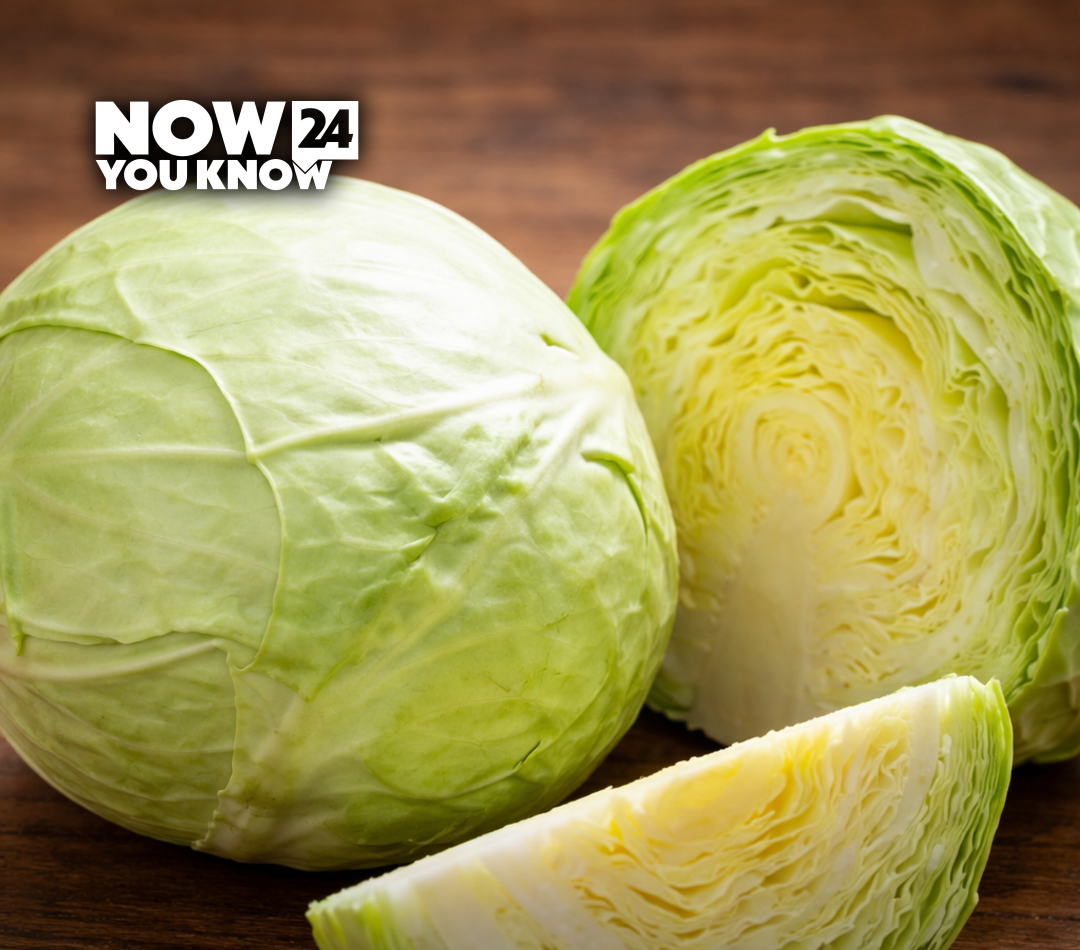

Cabbage is often praised as a nutritious vegetable. It is rich in vitamins, fiber, and antioxidants that can support digestion and overall health.
Many nutrition experts recommend adding cabbage to salads, soups, or cooked meals because it provides vitamin C, vitamin K, and important plant compounds.
However, despite its health benefits, cabbage may not be suitable for everyone. Certain people should be cautious about how much they consume.
One group includes people with thyroid conditions. Raw cabbage contains compounds called goitrogens that may interfere with thyroid function if eaten in large amounts.
Another group is people who suffer from digestive sensitivity or frequent bloating. Cabbage is high in fiber and certain sugars that can cause gas or discomfort for some individuals.
People who take blood thinning medication should also be careful. Cabbage contains vitamin K, which can affect how certain medications work.
Finally, individuals with irritable bowel syndrome (IBS) may find that cabbage worsens symptoms such as stomach pain or bloating.
For most people, cabbage remains a healthy addition to a balanced diet. The key is moderation and paying attention to how your body reacts.