


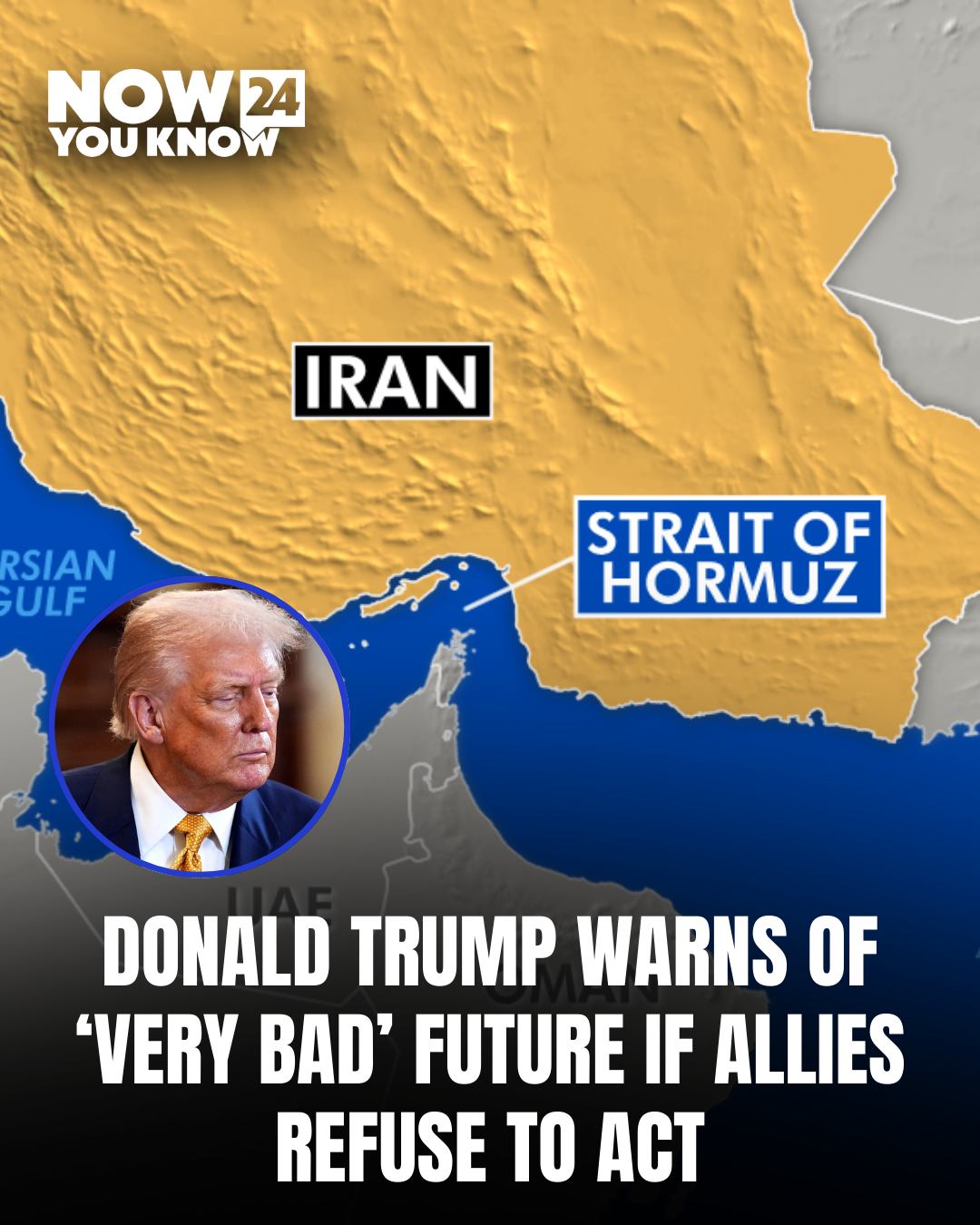

Tensions are rising after Donald Trump delivered a strong warning about the future of NATO and a critical global shipping route.
In a recent interview, Trump suggested that the alliance could face serious consequences if member nations fail to step in and help secure the Strait of Hormuz — one of the world’s most important oil transit points.
He framed the situation as a test of loyalty, pointing to past U.S. support for allies and suggesting that it is now their turn to respond.
The warning comes as disruptions in the region have already had global effects, with oil prices climbing and hundreds of tankers reportedly unable to pass through the narrow waterway.
Trump also signaled that the United States may not feel obligated to take the lead, noting that the country is less dependent on foreign oil than in the past.
At the same time, he hinted that international cooperation could influence broader diplomatic efforts, including a potential meeting with Xi Jinping.
So far, however, key allies have been slow to commit. Some countries have declined involvement, while others appear to be taking a wait-and-see approach.
The lack of a unified response has raised questions about how the situation will unfold — and whether a coordinated effort to stabilize the route will materialize.
With economic pressure building and geopolitical tensions increasing, the next steps could have far-reaching consequences for global markets and international relations.