



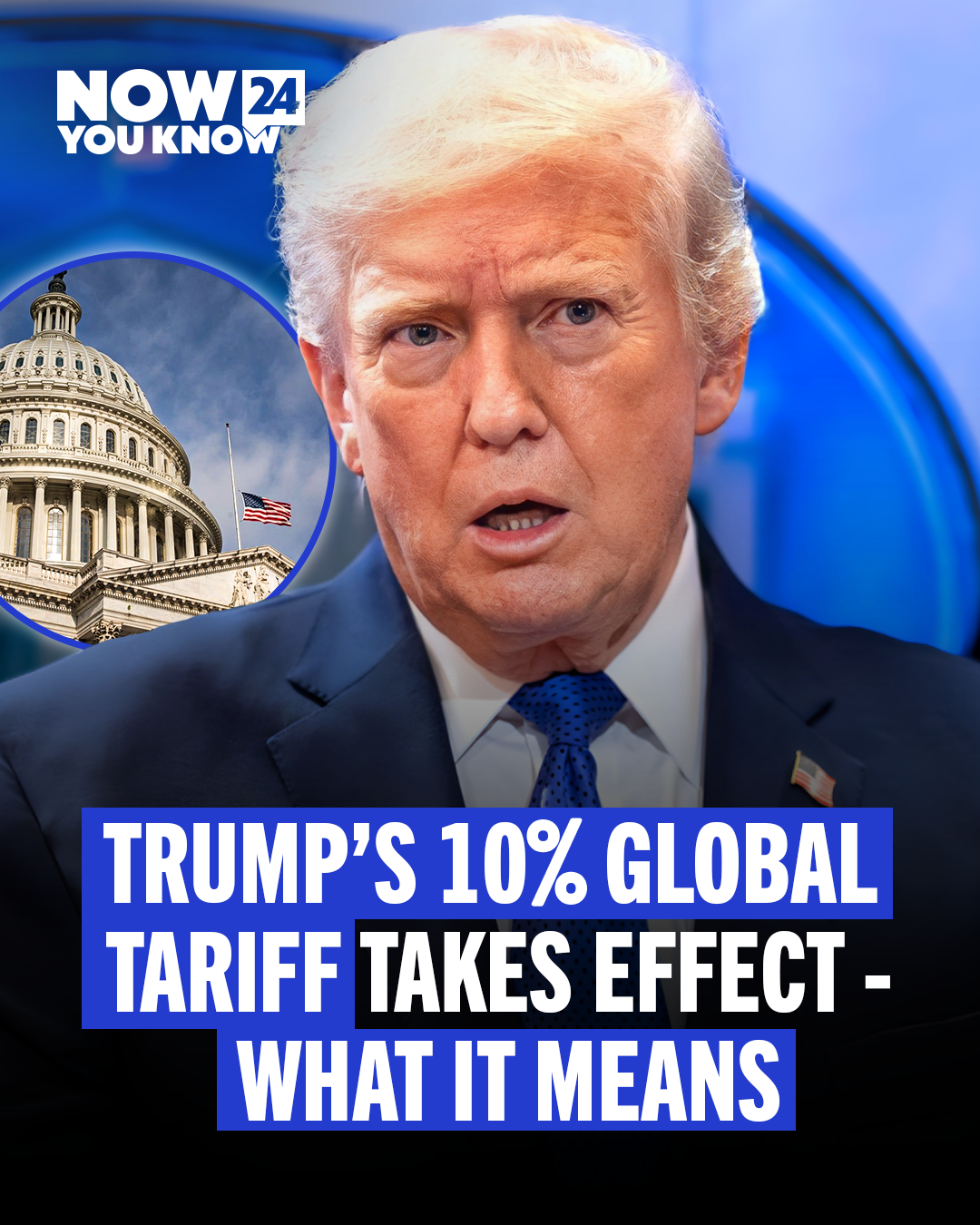

A new 10% global tariff introduced by Donald Trump has officially come into effect, marking a significant shift in U.S. trade policy. The measure applies broadly to imported goods and is expected to impact international trade relationships.
The tariff imposes a 10% duty on a wide range of products entering the United States from multiple countries. Supporters argue the move is designed to strengthen domestic manufacturing and reduce reliance on foreign supply chains.
However, economists note that tariffs can also lead to higher costs for businesses that depend on imported materials. In many cases, those increased costs may be passed on to consumers in the form of higher prices.
Trade partners around the world are closely monitoring the development, with some officials signaling potential responses or negotiations in the coming weeks. The long-term economic effects will likely depend on how markets and international governments react.
Industry leaders across sectors — including retail, automotive, and technology — are now assessing how the new tariff structure may affect pricing strategies and supply chains.
As the policy takes effect, analysts expect continued debate over its broader economic consequences, including its influence on inflation, employment, and global trade dynamics.
Further updates are anticipated as businesses and policymakers respond to the implementation of the 10% global tariff.