


Tensions in the Middle East remain at a critical point as Donald Trump pushes for a breakthrough in ongoing talks with Iran, with global stability hanging in the balance.
A fragile ceasefire between the U.S., Iran, and Israel has been put in place after weeks of intense conflict, but officials warn it could collapse at any moment due to ongoing disagreements and violence in the region.
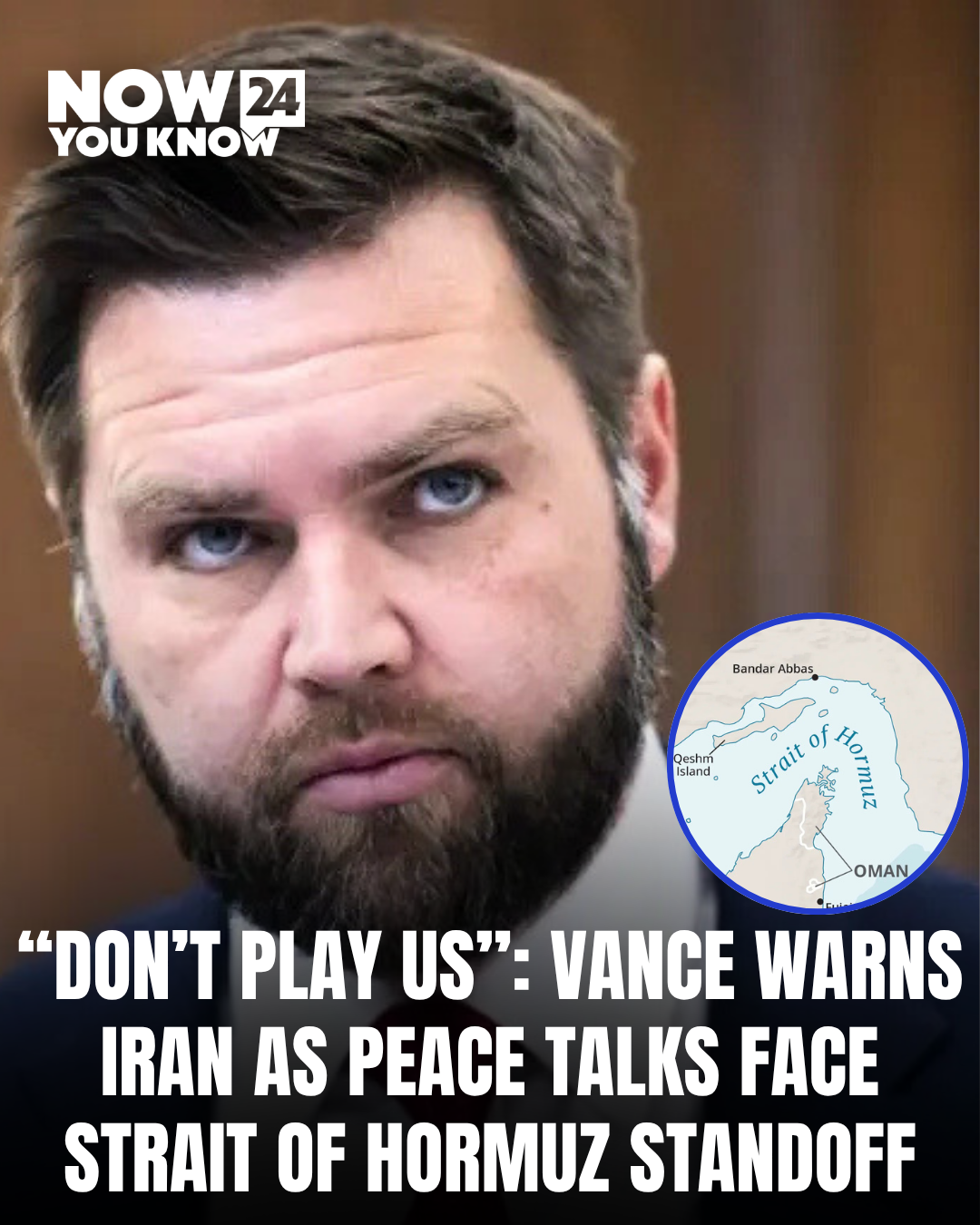
One of the biggest flashpoints remains the Strait of Hormuz, a vital shipping route responsible for roughly 20% of the world’s oil supply, which has been partially blocked during the conflict.
Trump has stated that efforts are underway to reopen the strait “fairly soon,” but provided few details on how this will be achieved or whether other countries will assist.
At the same time, negotiations are being complicated by disagreements over whether the ceasefire should include ongoing fighting between Israel and Hezbollah in Lebanon, with both sides interpreting the agreement differently.
Iran has insisted that issues involving Lebanon must be addressed as part of any long-term deal, while Israel has continued military operations, raising fears that the truce could break down.
Diplomatic talks are now underway, with international mediators attempting to secure a more permanent agreement. However, Trump has warned that military action could resume if negotiations fail, increasing the pressure on all sides.
With global energy markets, regional security, and thousands of lives already impacted, the outcome of these talks could shape the future of the Middle East — and the wider world — for years to come.