



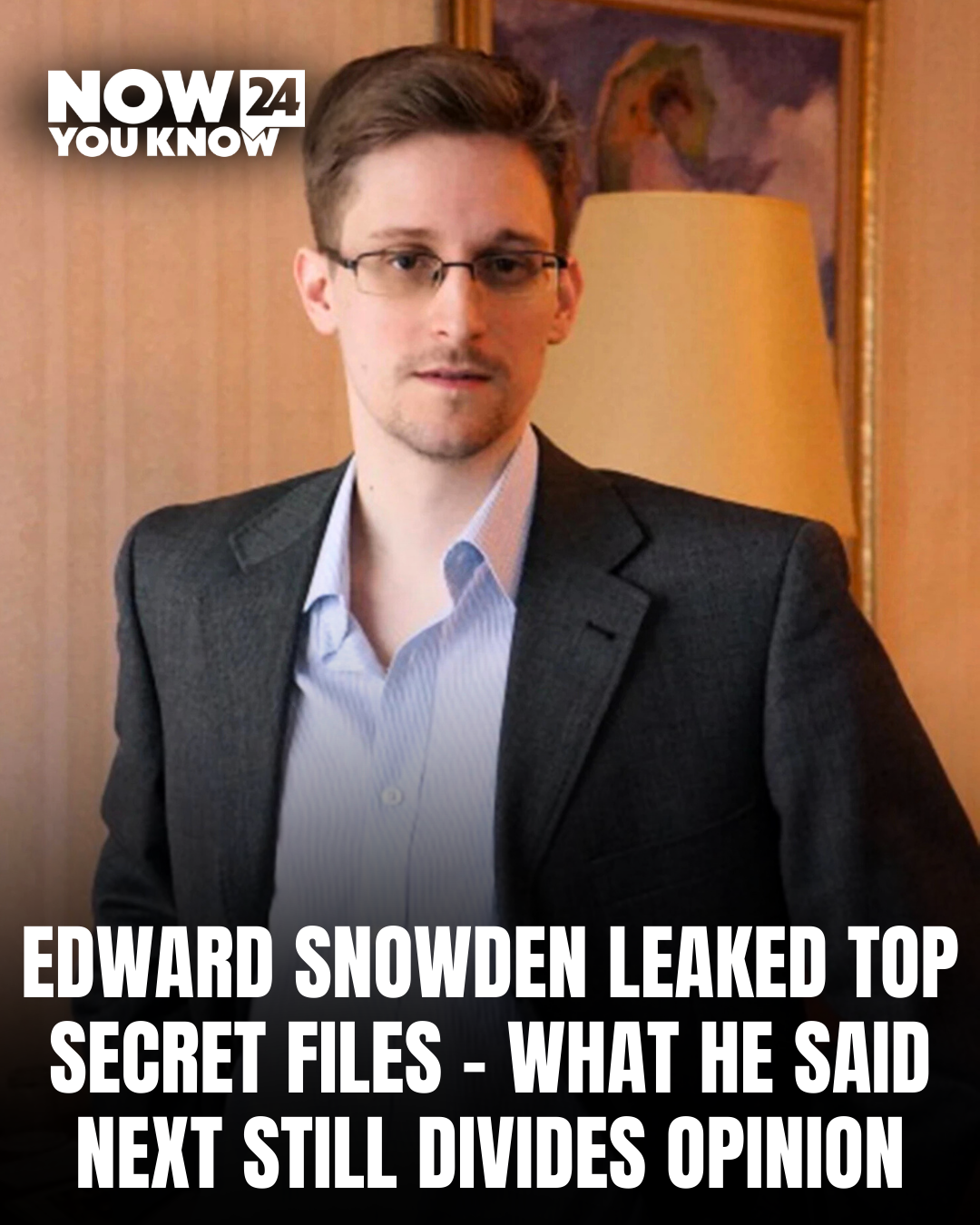

Whistleblowers are often seen as either heroes or criminals — and few people represent that divide more than Edward Snowden.
Years after his revelations, one of his most famous quotes still gets people talking: “When exposing a crime is treated as committing a crime, you are being ruled by criminals.”
It’s a statement that continues to hit a nerve, especially in a world where so much happens behind closed doors.
Snowden’s decision to leak classified information about mass surveillance programs sparked a global conversation about privacy and government power.
For many, it raised uncomfortable questions about how much personal data is being collected — and whether people are truly aware of it.
Supporters argue that his actions exposed practices the public had a right to know about, forcing transparency in areas that were previously hidden.
Critics, on the other hand, believe the leaks put national security at risk and crossed a line that shouldn’t have been crossed.
Either way, the debate he started hasn’t gone away.
It’s part of a bigger question we’re still trying to answer today — how do you balance safety with personal freedom in a digital world?
And at what point does protecting security start to come at the cost of privacy?