




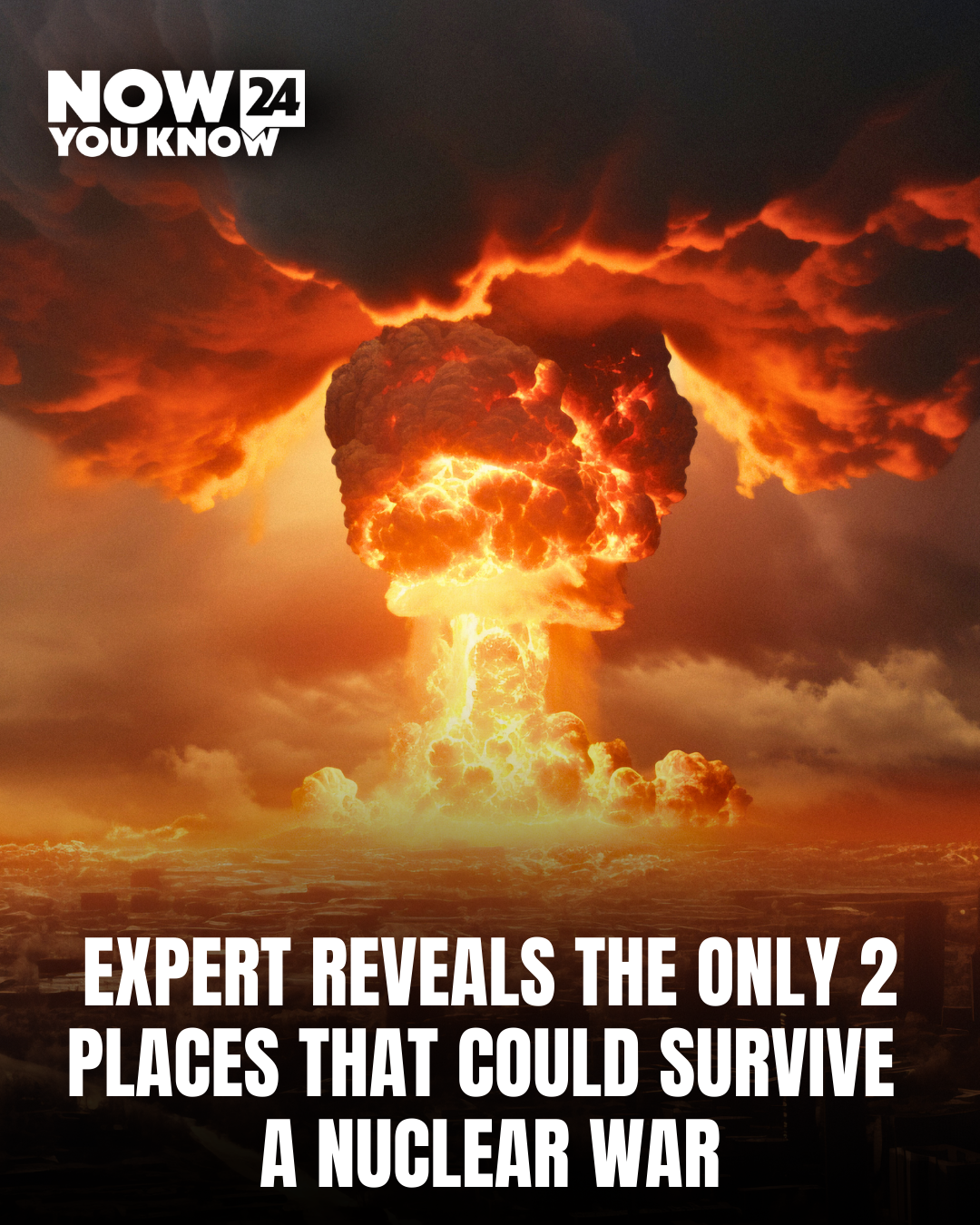

As global tensions occasionally spark discussions about worst-case scenarios, some scientists have explored which parts of the world might be most likely to survive a large-scale nuclear conflict.
Experts studying the potential effects of a nuclear war often focus on the concept of “nuclear winter.” This theory suggests that massive amounts of smoke and debris could block sunlight, drastically lowering global temperatures and affecting food production.
According to several studies, regions that are geographically isolated and capable of producing their own food could have a better chance of maintaining stable living conditions after such a catastrophic event.
Two places frequently mentioned in these discussions are New Zealand and Iceland. Researchers say their remote locations and relatively small populations could make them less likely to be directly targeted.
Both countries also have strong agricultural potential and access to natural resources that could help sustain populations if global supply chains collapsed.
Another factor experts point to is their ability to generate energy locally. For example, Iceland relies heavily on geothermal and renewable energy sources, which could remain functional even during global disruptions.
However, scientists emphasize that no place on Earth would be completely immune to the effects of a nuclear war. Climate changes, food shortages, and economic collapse would still have worldwide consequences.
Ultimately, the research highlights just how interconnected the world is and why many experts stress that prevention and diplomacy remain the most important ways to avoid such a devastating scenario.