




A fascinating reconstruction is giving people a new perspective on what Jesus Christ may have actually looked like — and it’s very different from the traditional images many are used to seeing.
The reconstruction was created using forensic science techniques, combining historical data, anthropology, and skull analysis from individuals who lived in the same region during that time period.
Rather than the long hair and lighter features often shown in Western art, the model suggests a man with darker skin, shorter hair, and more Middle Eastern facial features, consistent with someone living in the region over 2,000 years ago.
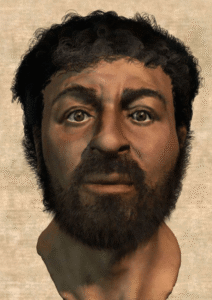
Experts say these reconstructions are not exact portraits, but they are based on scientific methods and historical evidence, offering a more realistic idea of appearance.
The goal is to better understand how people from that era may have looked, rather than to redefine religious beliefs or interpretations.
The image has sparked widespread discussion online, with many people surprised by how different it appears compared to traditional depictions.
Historians note that artistic portrayals of Jesus have varied greatly over time, often influenced by culture, geography, and artistic style rather than historical accuracy.
While the true appearance of Jesus will likely never be known with certainty, this reconstruction provides a thought-provoking glimpse into history.