


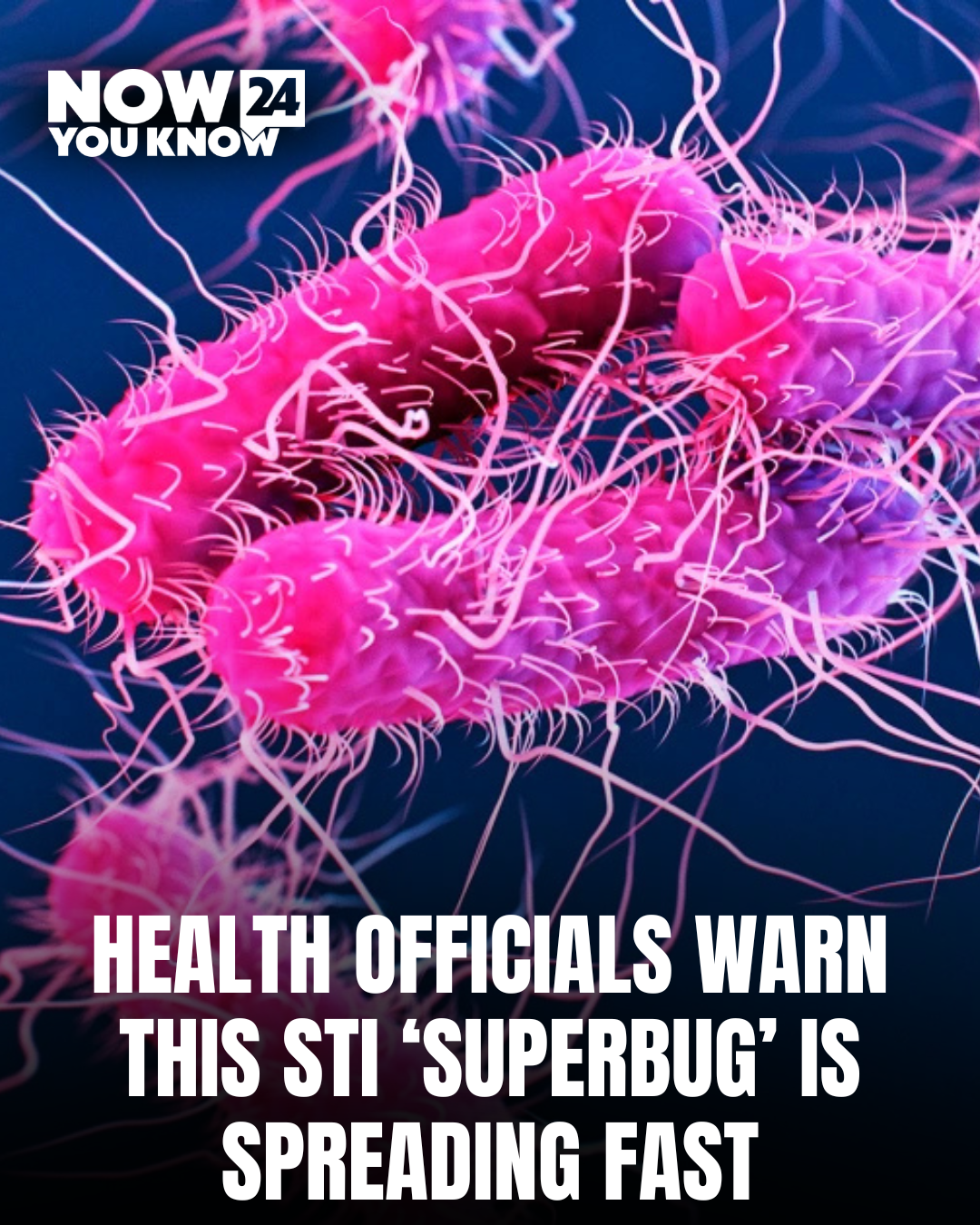

Health authorities in England have issued a warning after recent data showed that infections from shigellosis, a contagious gut infection, are increasing in the community.
Shigella is caused by bacteria that spread through the faecal‑oral route, meaning tiny amounts of fecal matter can transmit the infection if they get into someone’s mouth. Symptoms often include diarrhoea, stomach cramps, fever and nausea, and usually appear 1–4 days after exposure. Although infections often resolve within a week, some people need medical care, especially if symptoms are severe.
The UK Health Security Agency says that part of the recent rise in Shigella cases in England is linked to sexual transmission among certain groups, especially gay, bisexual and other men who have sex with men (GBMSM). Shigella can spread during sexual activity if bacteria are passed from fecal residue to the mouth, and only a very small amount is needed to cause infection.
Public health officials emphasize that good hygiene — including thorough handwashing after sex and between different forms of contact — can help reduce the risk of transmission. They also advise people with symptoms to seek medical advice, mentioning Shigella to their clinician and visiting a sexual health clinic if appropriate. Antimicrobial‑resistant strains of Shigella are of particular concern because they are harder to treat with standard antibiotics.
While anyone can get Shigella, the focus on GBMSM reflects patterns identified in routine surveillance and research showing that sexually transmissible cases occur more frequently in this group. Experts stress that awareness and prevention can help protect individuals and communities while monitoring continues.