



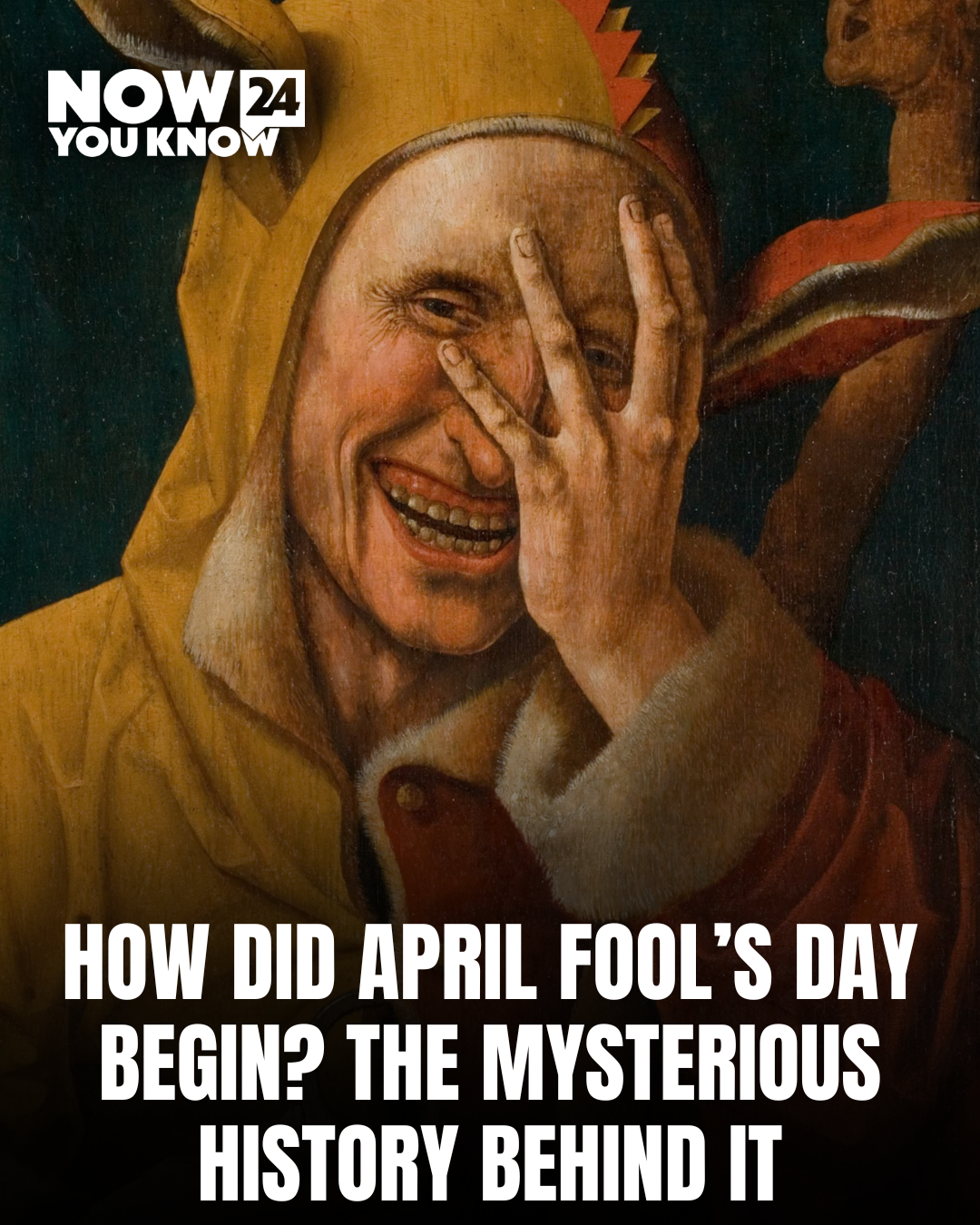

Every year on April 1, people around the world play pranks, tell jokes, and try to trick friends and family. But the origin of April Fools’ Day is still somewhat of a mystery.
One popular theory dates back to 16th century France. When the country switched from the Julian calendar to the Gregorian calendar, New Year’s Day moved from late March to January 1. People who continued celebrating the old New Year date in early April were mocked and called “April fools.”
Over time, the tradition of playing tricks on April 1 spread across Europe. In Scotland, the celebration reportedly lasted two days and included pranks involving fake errands and practical jokes.
By the 18th century, April Fools’ Day had become widely known in Britain and eventually spread to the United States and other parts of the world. Newspapers, companies, and even governments have since joined in on the tradition by publishing fake stories and announcements on April 1.
Some famous April Fools’ pranks include fake product launches, false scientific discoveries, and even news reports about unusual events that never actually happened.
Today, April Fools’ Day is celebrated in many countries, though the style of pranks varies by culture. Some countries focus on harmless jokes, while others have elaborate hoaxes planned months in advance.
Despite centuries of celebrations, historians still debate the exact origin of the holiday, which adds to the mystery behind one of the world’s most unusual traditions.