



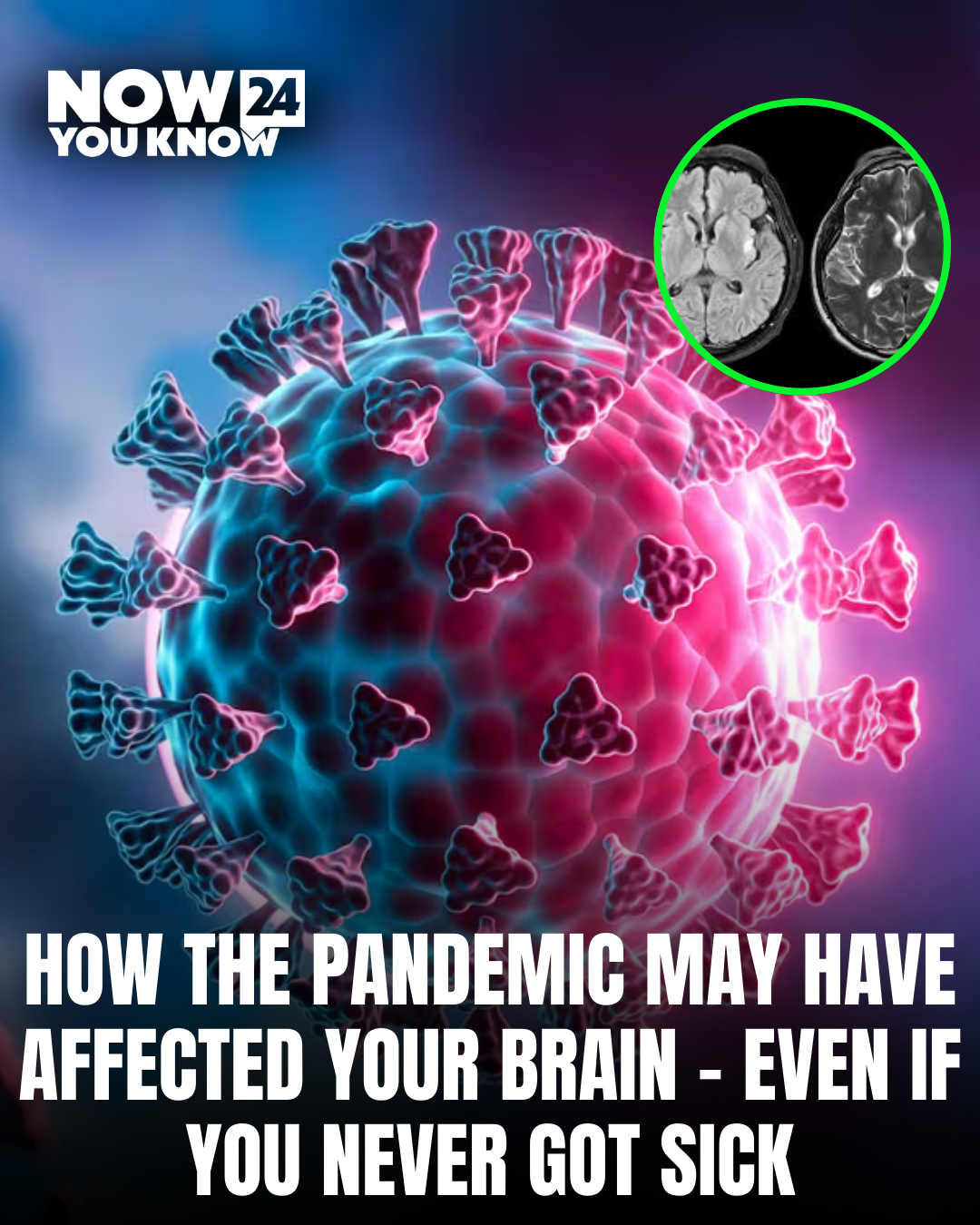

New research suggests the COVID-19 pandemic may have impacted brain health in ways many people didn’t expect — even for those who were never infected.
Scientists analyzed brain scans from hundreds of individuals before and during the pandemic, comparing them to large datasets of healthy brains.
What they found was surprising: on average, people’s brains appeared to age faster during the pandemic period.
The increase wasn’t massive, but it was measurable — about 5.5 months of additional brain aging beyond what would normally be expected.
Even more striking, this effect showed up in people who never had COVID, suggesting the virus itself wasn’t the only factor.
Researchers point to lifestyle changes during that time — including stress, isolation, reduced physical activity, and disrupted routines — as likely contributors.
For those who did contract COVID, the study found additional impacts, including measurable declines in certain cognitive functions like memory and processing speed.
Experts say the findings highlight how external factors — not just illness — can influence how the brain ages over time.
While the long-term effects are still being studied, the research adds to growing evidence that brain health is closely tied to daily habits, environment, and stress levels.