



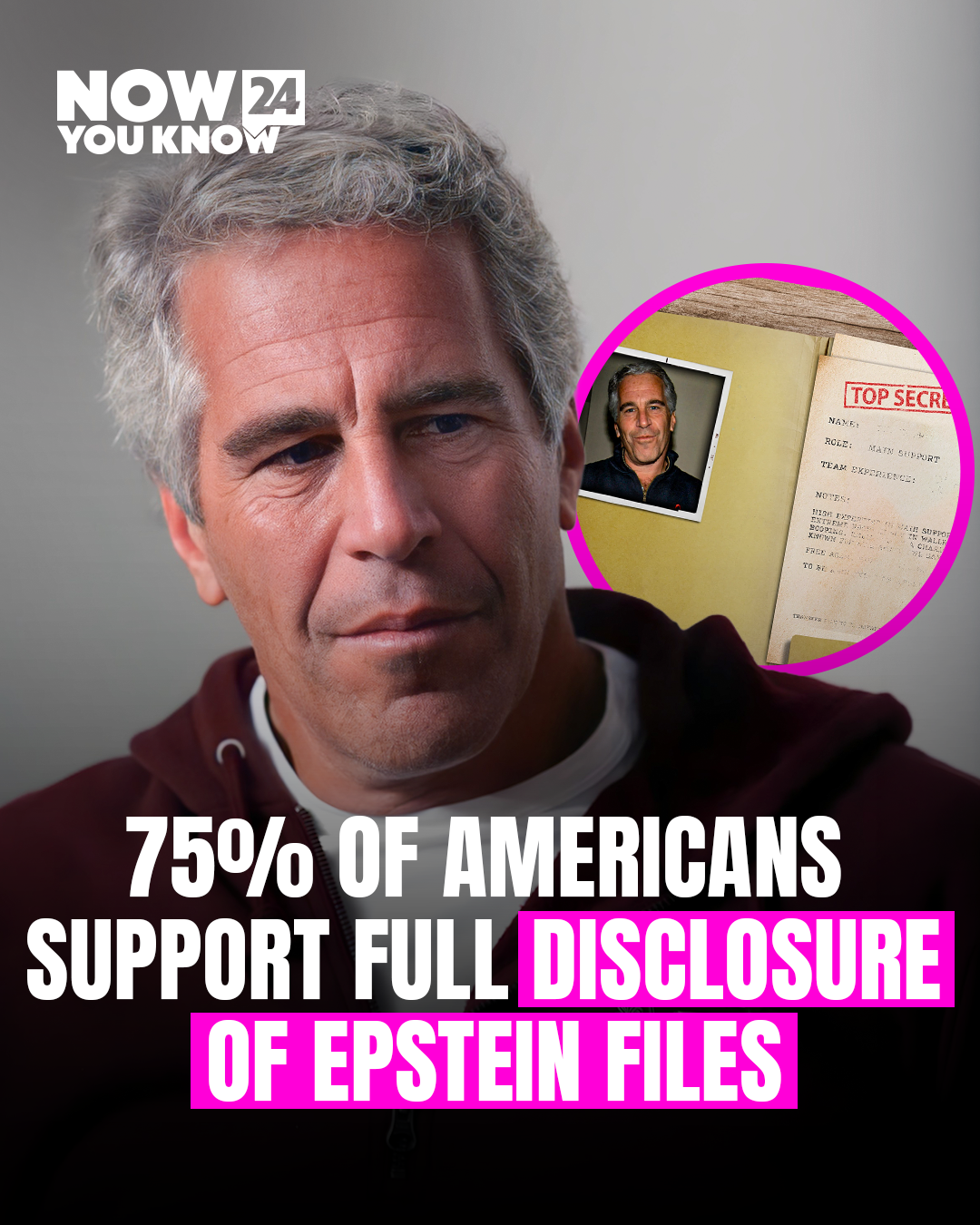

A recent PBS News/NPR/Marist poll revealed a striking consensus among the American public: roughly 75% of adults want all remaining Jeffrey Epstein files made public, even if the documents include names from their own political party. Support for transparency crosses party lines, with 84% of Democrats, 83% of independents, and a majority of Republicans demanding full disclosure.
Despite overwhelming public backing, only 6% of respondents say they are satisfied with what has been released so far. Two-thirds believe the government is deliberately withholding information, leaving many Americans frustrated and skeptical about official actions.
The Department of Justice (DOJ) has faced criticism for missing its own congressional deadline by over a month and releasing 3 million pages heavily redacted, without a clear explanation of what was left out. This delay has only intensified calls for accountability and transparency.
Meanwhile, political maneuvers in Congress have slowed progress. House Speaker Mike Johnson postponed the swearing-in of a new congresswoman, whose signature would have forced a floor vote on full disclosure of the files.
Internationally, the response contrasts with U.S. inaction: countries like Poland, Latvia, and Lithuania have launched their own investigations into Epstein-related matters, underscoring the global importance of the case.
The poll underscores a clear public demand for justice and transparency, but the pressing question remains: will anyone in power act on it, or will the files remain hidden despite overwhelming consensus