

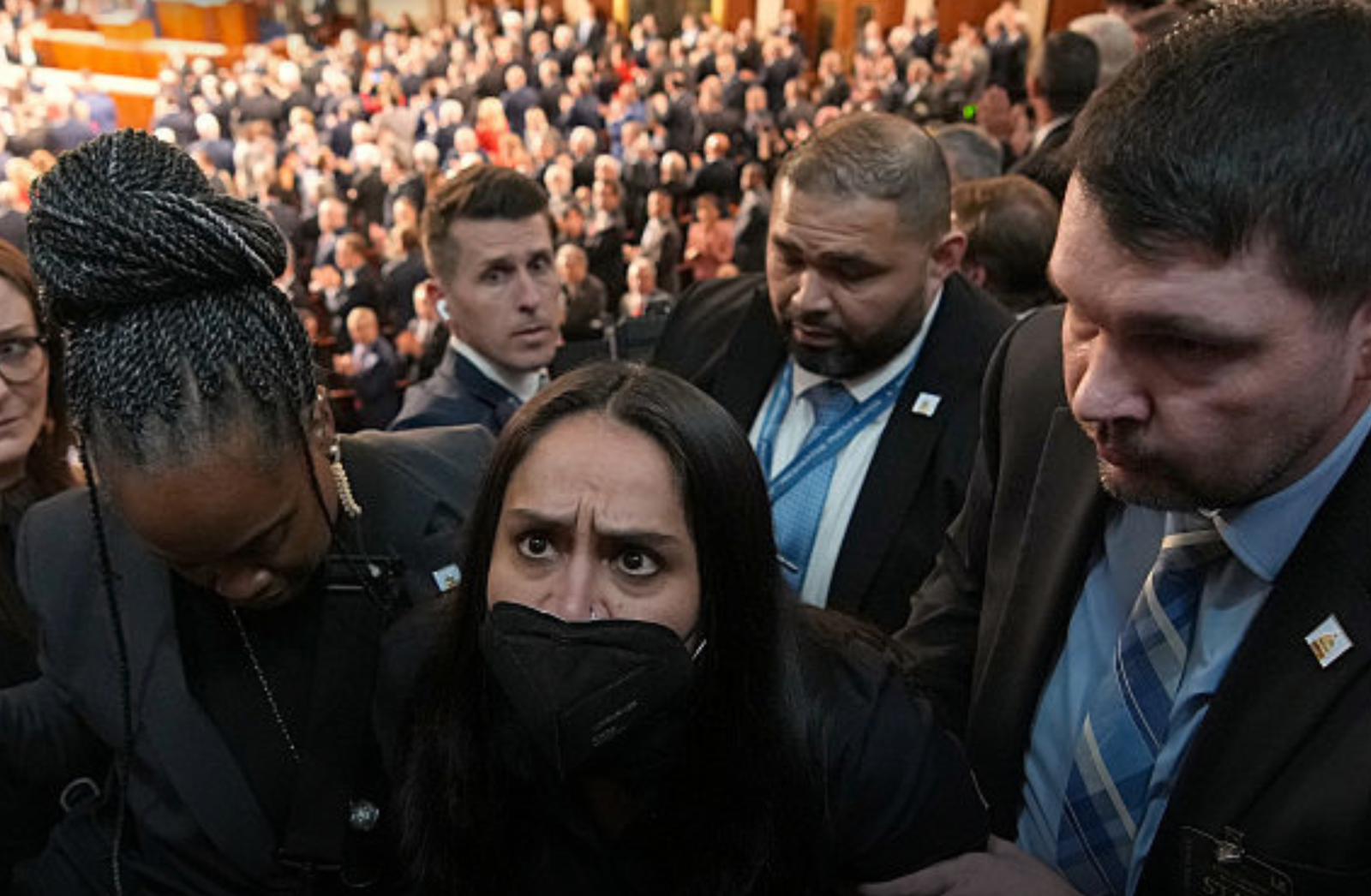

A high-profile incident unfolded during President Donald Trump’s State of the Union address on Tuesday night, when a guest invited by Congresswoman Ilhan Omar was arrested in the House gallery, drawing national attention and criticism from lawmakers.
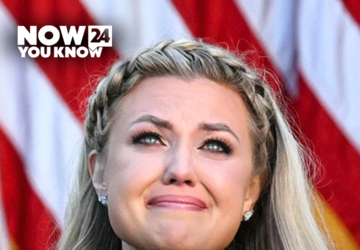
The guest, 43-year-old Minneapolis resident Aliya Rahman, was taken into custody by U.S. Capitol Police after she stood in the gallery during the speech — an act law enforcement described as a violation of rules forbidding demonstrations inside the chamber. Rahman was charged with misdemeanor “unlawful conduct and disruption.”
Rahman had previously been in the news after a January incident in Minneapolis when she was forcibly removed from her car by immigration agents as part of federal enforcement operations. At the Capitol this week, she told officers she stood up silently in response to remarks in the address about immigration policy.
Capitol Police stated that the guest ignored multiple orders to sit and therefore was arrested. The charges reflect statutes that prohibit demonstrations in congressional spaces, officials said. Rahman was later taken to George Washington University Hospital for treatment and subsequently booked at Capitol Police headquarters.
Congresswoman Omar reacted strongly to the arrest, accusing authorities of a heavy-handed response. In a statement, she argued that Rahman was standing silently and that her removal and arrest send “a chilling message about the state of our democracy.” Omar has called for a full explanation of the incident and urged oversight.
Supporters of Rahman’s advocacy expressed concern online, suggesting that peaceful gestures are being treated as criminal despite the guest’s refusal to disrupt proceedings. Others have emphasized the importance of adherence to House rules regarding conduct during formal sessions.
The incident comes amid broader tensions surrounding immigration policy and political rhetoric, with clashes between lawmakers and the administration gaining renewed visibility during the high-profile address. As discussions continue over constitutional rights and security protocols, the arrest raises questions about how public dissent is managed during official government events.
This remains a developing story, and further details may emerge as officials and lawmakers respond to the unfolding controversy.