




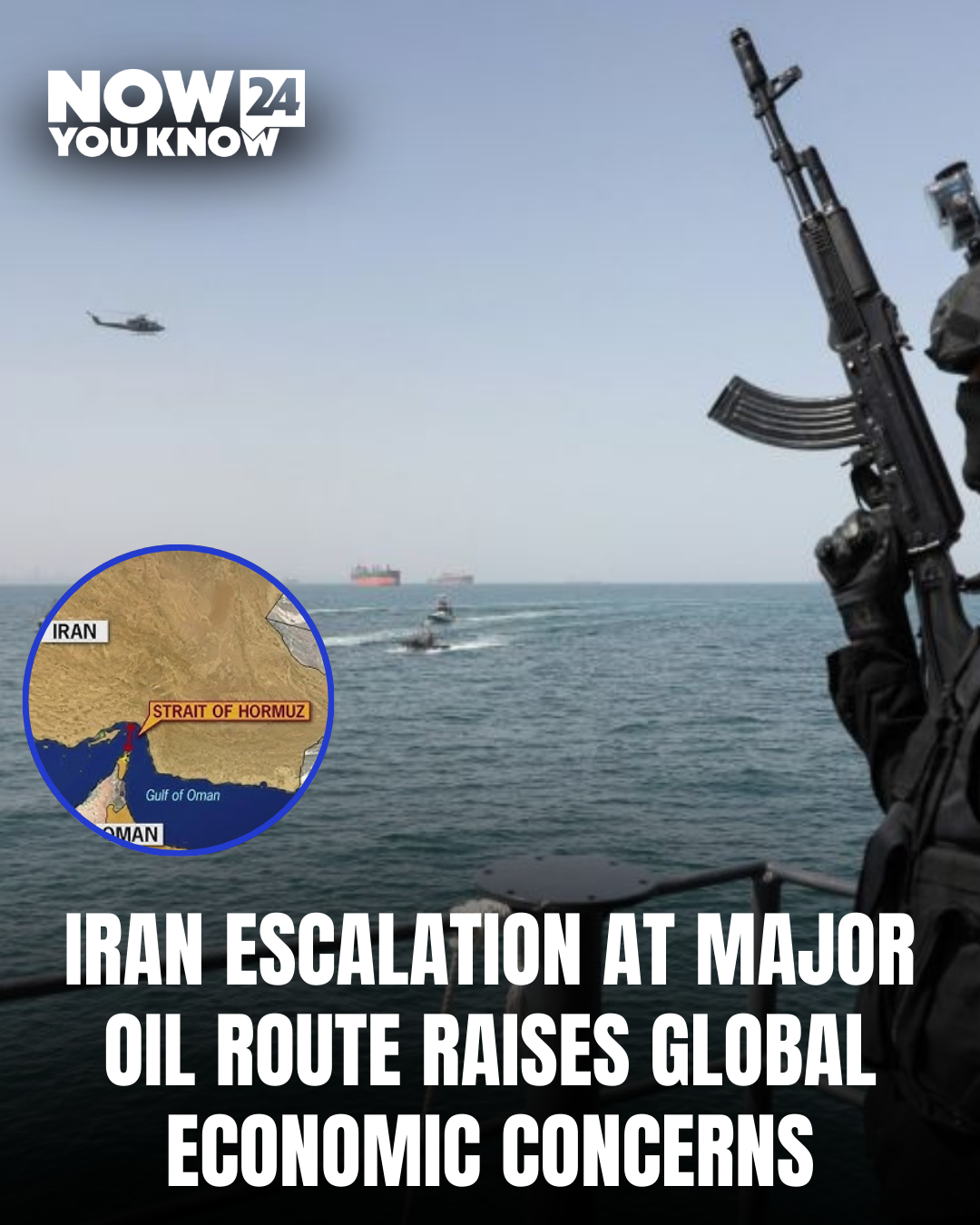

Tensions in the Middle East have intensified after reports that Iran has escalated actions around the strategic Strait of Hormuz—one of the most important energy shipping routes in the world.
According to officials and intelligence sources, Iran has reportedly deployed naval mines and increased military activity in the narrow waterway, raising fears that commercial shipping could be disrupted.
The Strait of Hormuz serves as the main passage for oil exports from several Gulf nations. Roughly 20% of the world’s oil and liquefied natural gas moves through the corridor each day, making it a critical chokepoint for global energy supply.
Energy markets have already reacted to the growing uncertainty. Oil prices surged past $100 per barrel in recent trading sessions as investors worried about potential supply disruptions linked to the escalating conflict.
Experts warn that even limited disruption in the region could trigger ripple effects across the global economy. Higher oil prices typically translate into increased transportation costs, rising fuel prices, and broader inflation pressures.
Several countries in the Persian Gulf have also begun exploring alternative export routes in case shipping through the strait becomes too risky for commercial tankers.
Meanwhile, global energy agencies say the ongoing conflict could lead to one of the largest oil supply disruptions in recent history if the situation continues to escalate.
For now, governments and shipping companies are closely monitoring developments in the region, as any prolonged disruption at the Strait of Hormuz could have far-reaching consequences for energy markets and the global economy.