


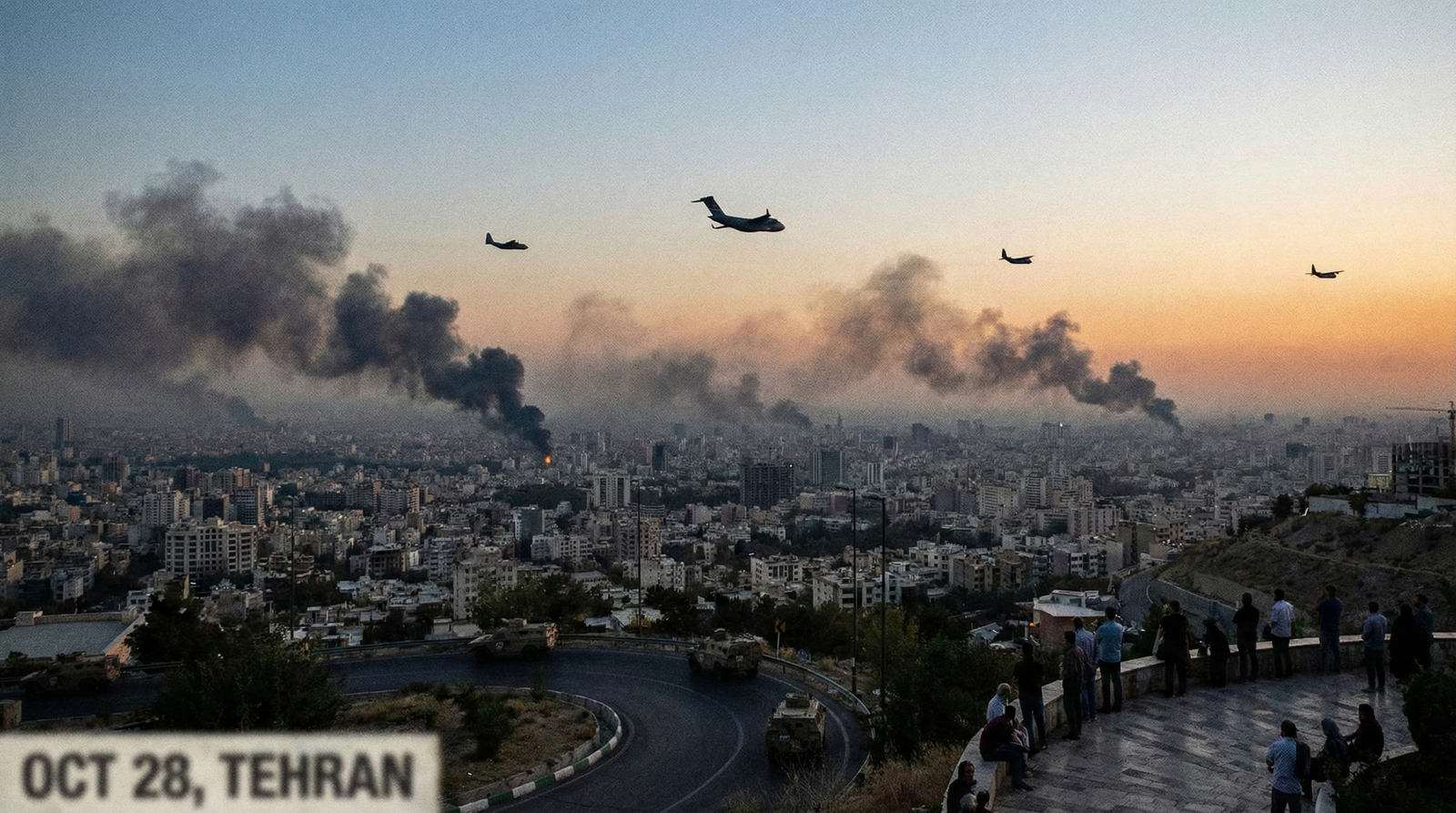

Ayatollah Ali Khamenei, Iran’s Supreme Leader for almost 40 years, has died following extensive US and Israeli military strikes on Iranian territory, according to statements from US officials and confirmation from Iranian sources on social media. The coordinated attacks took place on February 28, targeting multiple high-value locations in and around Tehran, including Khamenei’s compound and offices.
US President Donald Trump announced the death of Khamenei in a post on Truth Social, describing him as “one of the most evil people in history” and stating that the advanced intelligence and tracking capabilities of the US, in cooperation with Israel, prevented the leader from evading the strikes. He added that Khamenei’s death could provide a significant opportunity for the Iranian people to reclaim their country.
Iran officially recognized Khamenei’s death with a post on his verified Persian-language account, displaying the phrase “In the name of Nami Haider (peace be upon him).” Khamenei, aged 86, had maintained control over Iran through his roles as the country’s highest political authority and religious leader, holding the title of ayatollah, a senior clerical rank in Shia Islam.
Relations between the United States and Iran have been highly strained throughout Khamenei’s leadership, largely driven by disagreements over Iran’s nuclear program, support for regional militant groups, and internal crackdowns on dissent, including recent protests sparked by economic difficulties.
The military operation, named “Epic Fury,” involved a combination of land, air, and sea forces utilizing advanced weaponry such as Tomahawk missiles, High Mobility Artillery Rocket Systems, and drones. These attacks were described by US and Israeli officials as preventive measures to neutralize imminent threats to their nationals.
President Trump delivered a televised statement at the onset of “major combat operations,” urging the Iranian population to seize the moment to overthrow their government, calling it potentially a once-in-a-generation chance. This rhetoric aligns with recent US calls for regime change in Iran.
Israel has also openly expressed hostility towards Khamenei. In June 2025, following earlier joint strikes, Israel’s then-Defense Minister Israel Katz stated that Khamenei “cannot continue to exist,” labeling him a dictator. Israeli leaders, including Prime Minister Benjamin Netanyahu, have voiced similar sentiments.
Iran responded to the attacks with retaliatory missile strikes targeting US military bases throughout the region. The defensive measures of US and allied forces, including partner countries like Qatar and the United Arab Emirates, engaged in countermeasures to protect assets in the area.
Khamenei’s death represents a significant shift in Iran’s political landscape, introducing uncertainties about the future leadership of the country amid ongoing hostilities and geopolitical tensions. The Iranian regime remains strengthened by the powerful Revolutionary Guard Corps and extensive internal security apparatus, factors likely to influence the nation’s response moving forward.