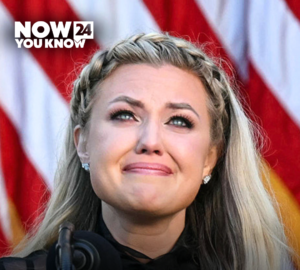


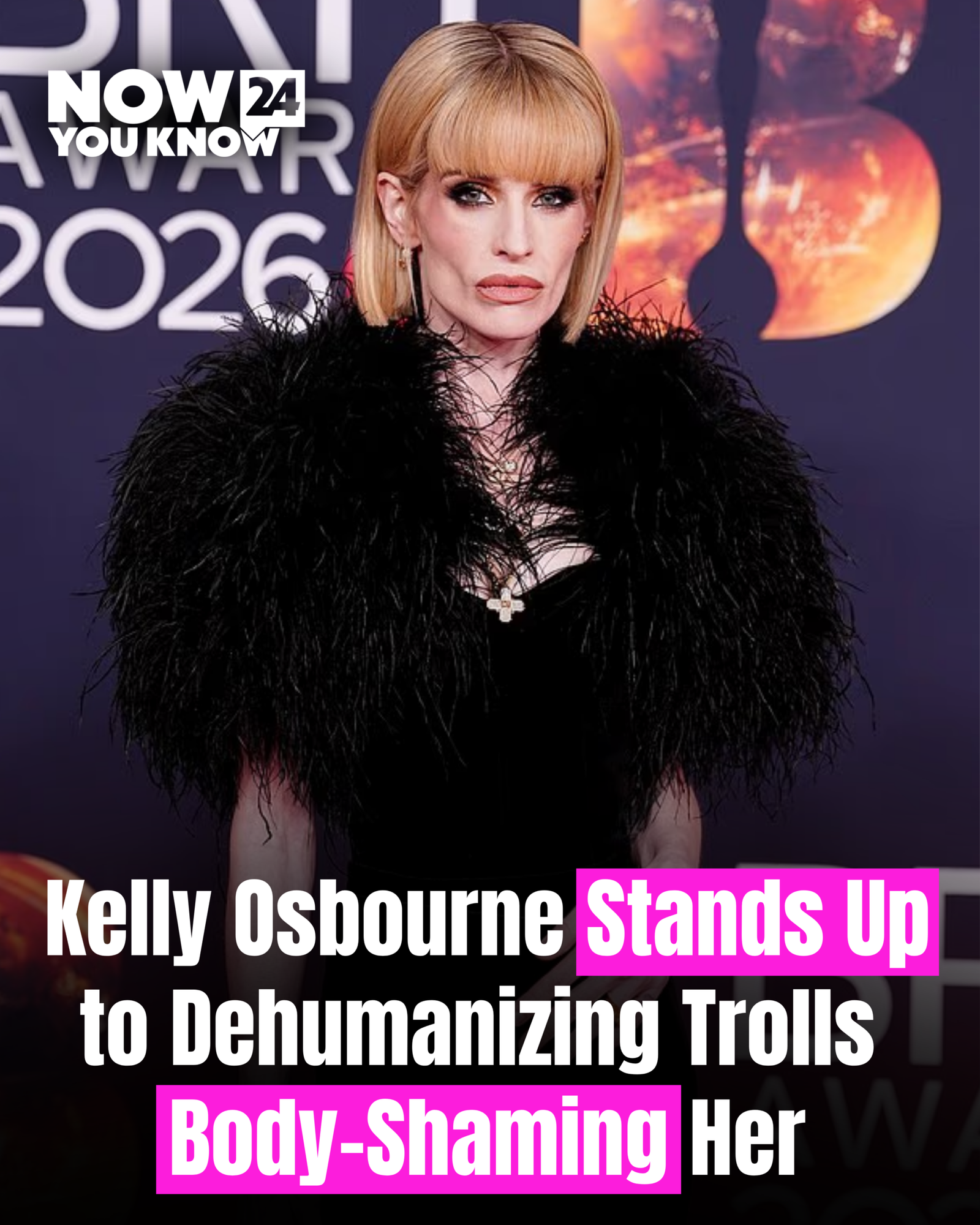

Kelly Osbourne has responded forcefully to online critics who targeted her appearance following her attendance at the 2026 BRIT Awards, where she and her mother, Sharon Osbourne, accepted a posthumous Lifetime Achievement Award on behalf of her late father, Ozzy Osbourne. The long‑time television personality and fashion figure took to social media to condemn what she described as cruel and dehumanizing comments about her body.
After the ceremony in Manchester, Kelly faced a wave of negative remarks on social media focusing on her noticeably slimmer frame. In a heartfelt message on her Instagram Story, she called out the criticism and urged greater compassion, especially during a difficult period in her life. “There is a special kind of cruelty in harming someone who is clearly going through something,” she wrote, highlighting how hurtful the remarks had been.
Kelly continued by saying that such attacks do not demonstrate strength but rather reveal “a profound absence of compassion and character.” She added, “I’m currently going through the hardest time in my life. I should not even have to defend myself. But I won’t sit here and allow myself to be dehumanized in such a way!”
Several critics had also accused Kelly of using weight‑loss drugs or having cosmetic procedures, but she emphasized that her body and appearance should not be fodder for gossip or hurtful speculation — especially as she continues to process her grief following Ozzy Osbourne’s death in July 2025.
Sharon Osbourne has also defended her daughter in other public forums, underscoring that Kelly has experienced ongoing emotional challenges since her father’s passing. The Osbourne family’s presence at the BRIT Awards was meant to honor Ozzy’s legacy, but social media attention shifted from the tribute to unwelcome commentary about Kelly’s physical appearance.
Kelly’s response echoes a broader conversation about the impact of body‑shaming and online cruelty — particularly against individuals dealing with loss or personal struggle — and serves as a reminder of the very real human experiences behind public personas.