



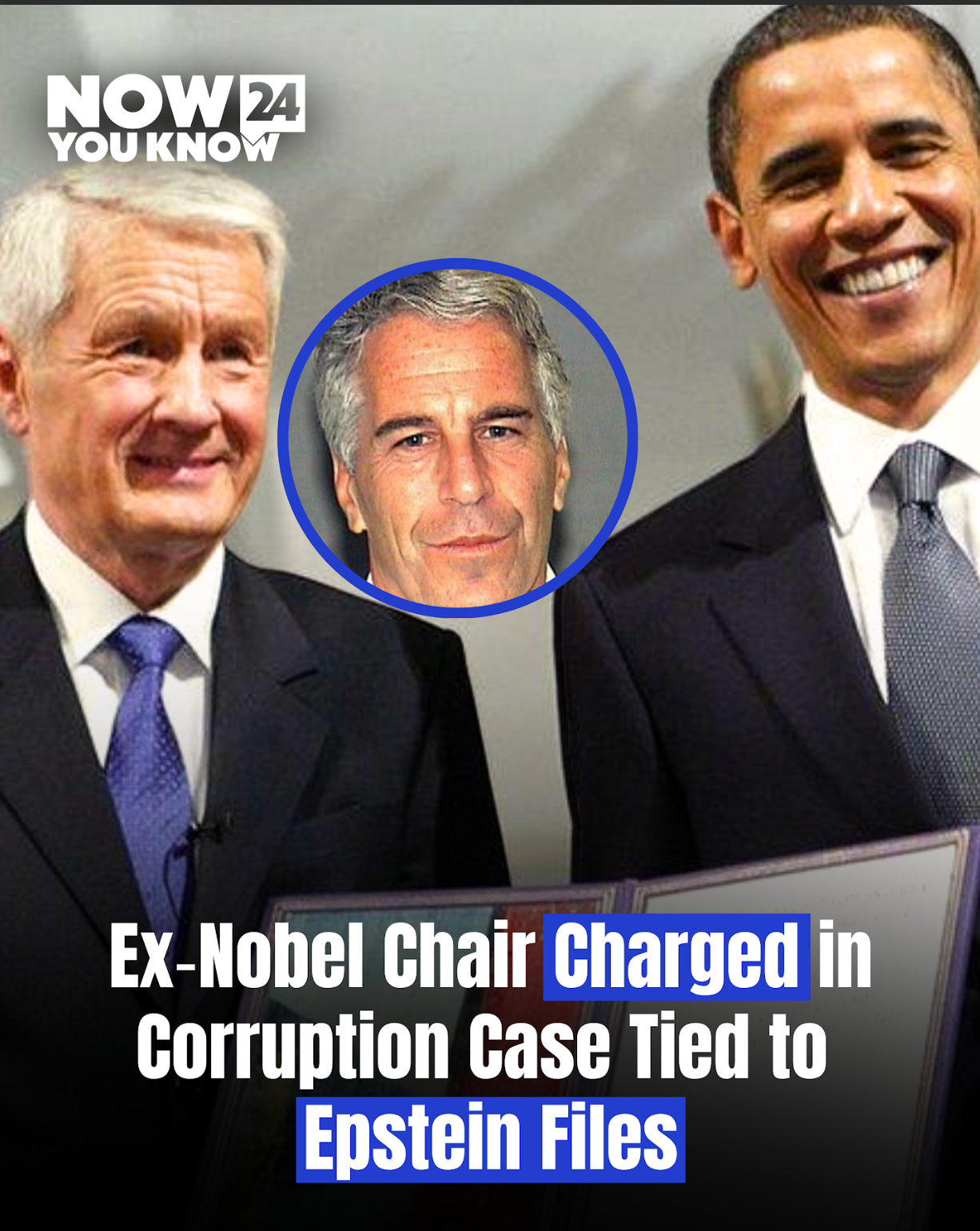

The man who played a pivotal role in awarding Barack Obama the Nobel Peace Prize has recently been charged with gross corruption, in a case linked to convicted sex offender Jeffrey Epstein. The charges have drawn significant media attention, raising questions about high-profile networks and financial misconduct.
According to prosecutors, the individual allegedly used his position and influence for personal gain, engaging in corrupt financial practices over an extended period. The case is particularly sensitive due to his past involvement in the Nobel Peace Prize process, which had placed him in the international spotlight.
Investigators have also linked his activities to Jeffrey Epstein, whose criminal network has been tied to numerous high-profile figures. The charges highlight continuing scrutiny into Epstein-related dealings, even years after his death.
Legal experts suggest this case may uncover additional financial irregularities and connections to other prominent individuals. Authorities emphasize that the investigation is ongoing, and more details are expected to emerge as the case proceeds through the courts.
The news has sparked debate on how influence and connections can be misused, especially when intersecting with global recognition and high-profile awards. It also raises concerns about accountability among individuals who operate in elite circles.
While the charges are severe, the accused is presumed innocent until proven guilty. Legal proceedings are expected to attract both national and international attention due to the high-profile connections involved.
This case serves as a stark reminder of the importance of transparency, oversight, and legal accountability for those in positions of influence, even decades after their most public accomplishments.