

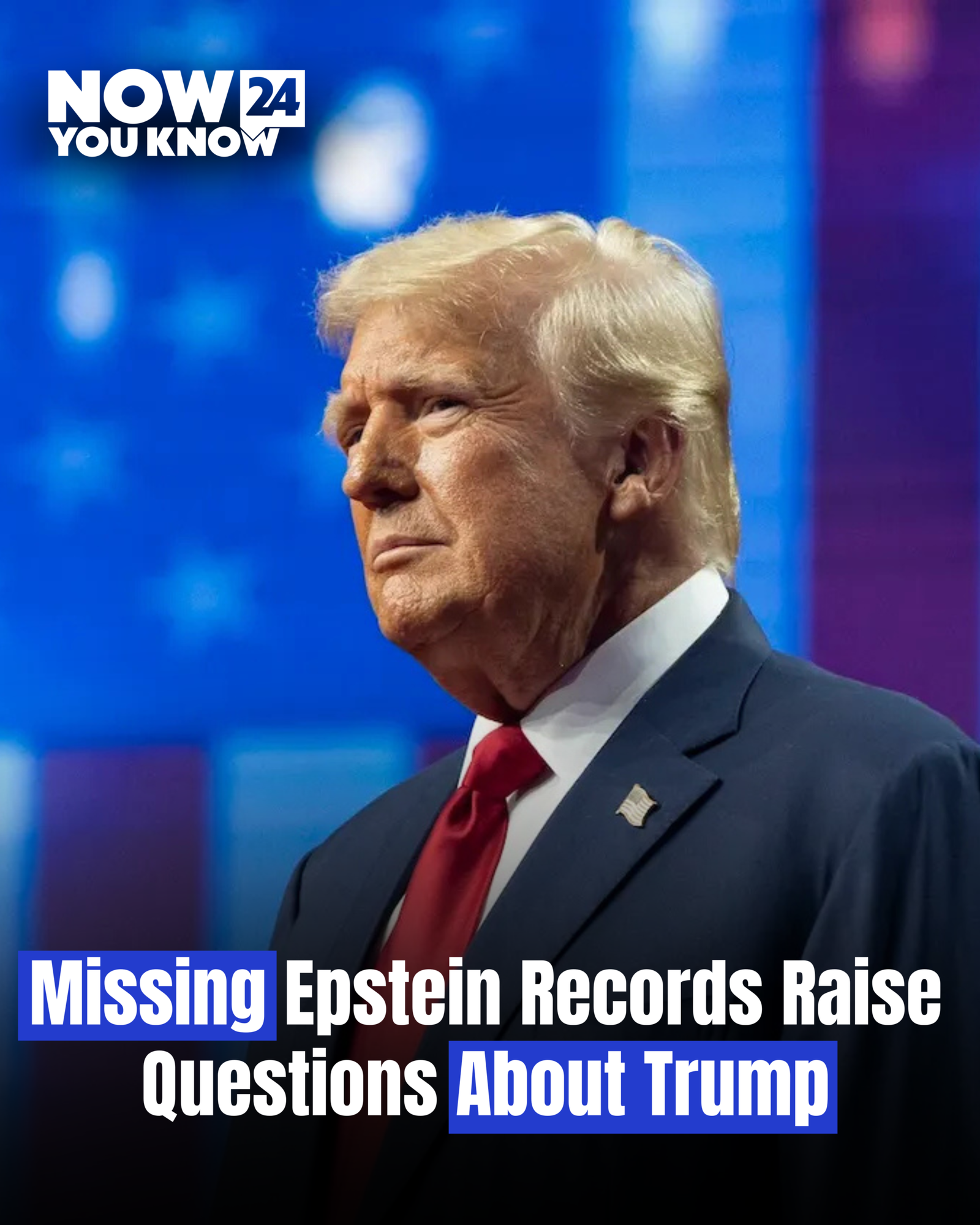

Federal authorities have released millions of documents related to Jeffrey Epstein, yet key records concerning a woman who accused Donald Trump of sexual assault in the 1980s were notably absent. The allegation, first made public in 2019, claimed the woman was a minor at the time and that both Trump and Epstein were involved. Trump has consistently denied any wrongdoing, and the claim remains unverified.
The release came after a law passed under bipartisan congressional pressure, requiring broad disclosure of Epstein-related files. While the statute allows for redactions to protect victims, shield explicit material, or preserve ongoing investigations, it explicitly forbids withholding information for political or reputational reasons.
Despite this, questions have arisen over why certain records tied to the Trump accuser were excluded, fueling ongoing scrutiny of the Justice Department’s handling of the files. Critics argue the omission raises concerns about transparency and equal application of the law.
This controversy underscores the delicate balance between victim protection, public accountability, and transparency in high-profile legal cases. While millions of documents are now publicly accessible, key gaps continue to provoke debate over what the public is entitled to know.
As the Epstein archive continues to be examined, legal experts and lawmakers are calling for further clarification on why some records were withheld, emphasizing the importance of trust in federal investigations.