

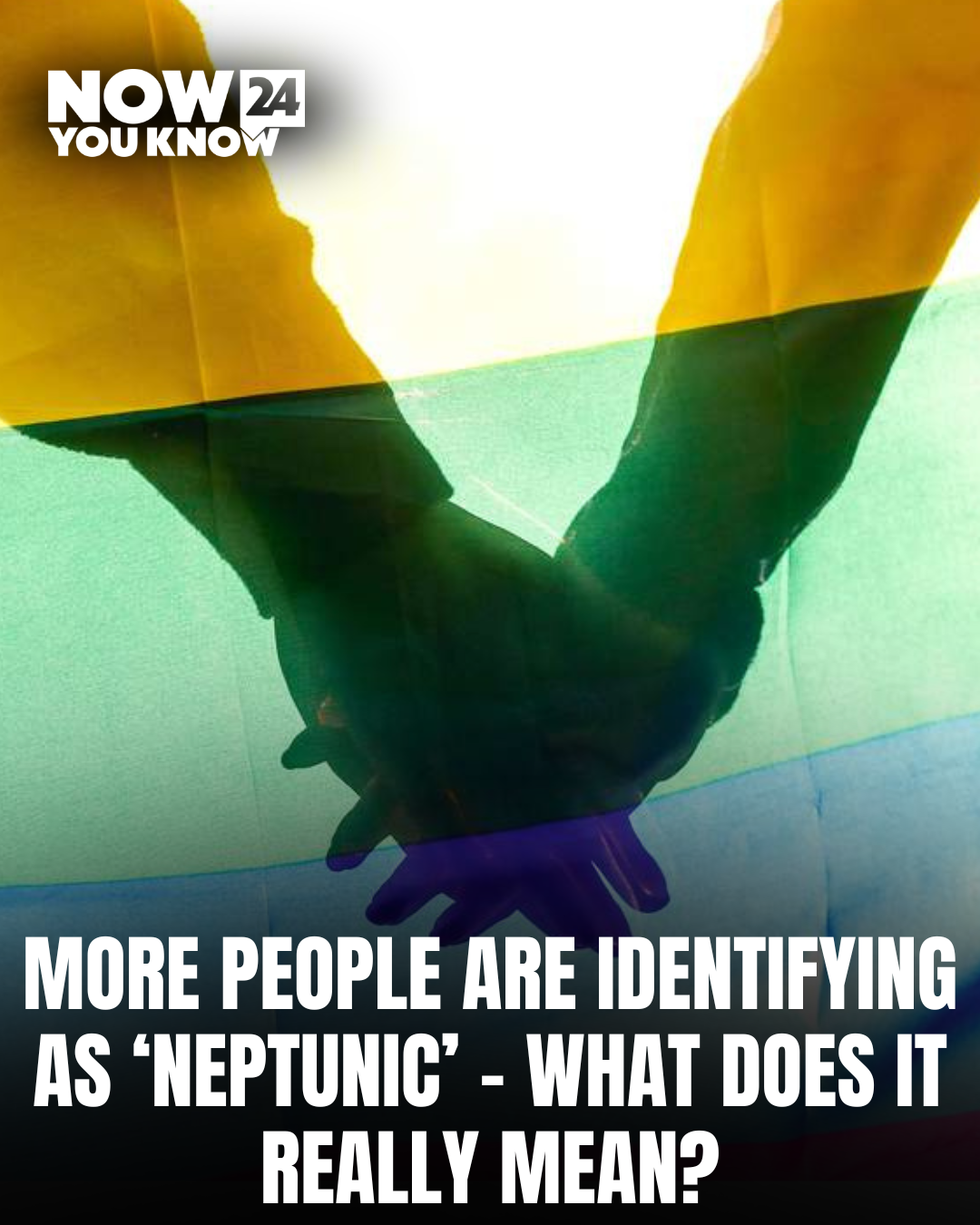

Over the past decade, conversations around gender and suality have become far more nuanced. Identity is no longer limited to labels like gay, straight, or bisual—people now use language that better reflects the full spectrum of human attraction.
The internet has played a major role in this evolution. Online communities on platforms like Tumblr and Reddit allow individuals to share, debate, and refine terms, often creating labels that spread globally within weeks.
One of the newer terms gaining traction is neptunic. Coined around 2017, it serves as a more specific way for some people to describe their attraction patterns.
Neptunic refers to attraction toward women, feminine-aligned non-binary individuals, and neutral non-binary individuals—but not men or masculine-aligned people. It’s sometimes called “nomascs**ual,” highlighting the absence of attraction to masculinity.
Labels like this can overlap with others and vary slightly in meaning. For example, some related terms include uranic (attraction to men or masculine-aligned individuals), venusic (attraction to women or feminine-aligned genders), and stellarian (neutral-aligned attraction).
While new labels may seem confusing at first, they offer clarity for those whose experiences don’t fit traditional categories. They are tools for communication, recognition, and self-understanding.
Crucially, neptunic is not tied to any single gender. Anyone, regardless of their identity, can resonate with the term if it reflects their pattern of attraction.
The growing galaxy of identity labels shows how language evolves to better describe the diverse ways humans experience attraction. Neptunic is just one example of this broader, inclusive shift.