




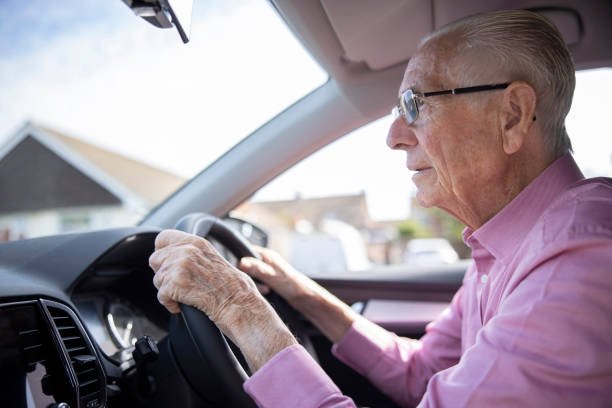

Policy makers are reportedly considering:
-
Mandatory medical assessments every 1–2 years after age 70
-
Vision and reaction-time testing for license renewal
-
Shorter renewal periods for older drivers
-
In some cases, practical driving evaluations
Supporters argue that these measures could reduce accident risks linked to declining vision, slower reflexes, or medical conditions. However, critics say age alone should not determine driving ability.
💔 Why This Feels Like a Blow
For many over 70, driving represents:
-
Independence
-
Access to healthcare
-
Social connection
-
Daily convenience in areas with limited public transport
Losing or even risking a license can feel like losing autonomy. Advocacy groups warn that overly strict policies could isolate older adults, especially in rural communities.
📊 What Do the Numbers Say?
Studies in road safety research have shown mixed results:
-
Some data suggests accident rates per mile increase after 75.
-
However, older drivers are statistically less likely to speed, drive at night, or take high-risk behaviors compared to younger age groups.
This has led many experts to call for individual capability testing, rather than blanket age rules.
👥 What Can Senior Drivers Do Now?
If you or a loved one is approaching 70:
-
Stay proactive with regular eye exams.
-
Discuss medications with your doctor to understand side effects.
-
Consider voluntary driving refresher courses.
-
Stay updated with local licensing authority announcements.
Remaining informed and prepared can make transitions smoother — should changes come into effect.