



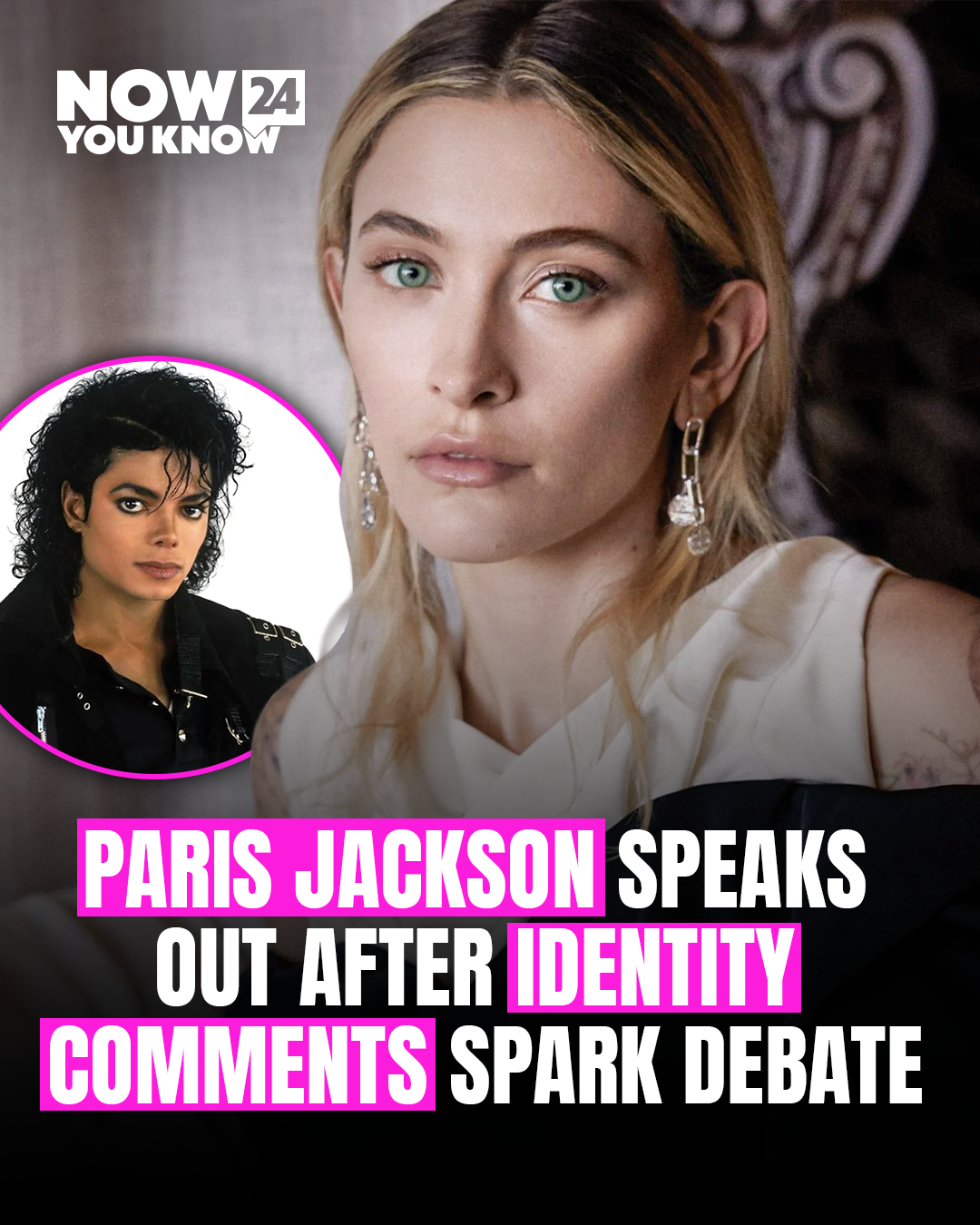

Model, actress, and singer Paris Jackson has once again captured public attention with personal comments about her sense of identity — remarks that have since sparked widespread conversation across social media.
Jackson, the daughter of the late pop icon Michael Jackson, has previously spoken about how her upbringing shaped her understanding of herself. In recent posts and interviews, she emphasized that her identity is informed not just by ancestry but by her lived experience growing up immersed in Black culture and family life.
This perspective reflects what Jackson has shared in earlier interviews and public appearances: that identity can be rooted in cultural environment, personal history, and community belonging as much as, or even more than, genetic background. Her stance highlights the complexity many people feel when describing who they are in a world where race and culture are deeply interwoven.
Online reactions to her comments have been mixed. Supporters praised her honesty and the way she expressed her personal experience, saying her remarks encouraged broader understanding of how identity can be shaped by multiple factors. Others, however, argued that identity — especially racial identity — involves historical and social dimensions that go beyond individual upbringing.
The discussion around Jackson’s comments taps into a larger cultural conversation about how identity is defined, particularly in multicultural societies where heritage, community, and lived experience all intersect. Sociologists note that identity is rarely one‑dimensional, and the public debate highlights how personal narratives and social expectations sometimes collide.
Paris Jackson’s remarks and the ensuing reactions underscore how public figures navigating unique family legacies — especially with global recognition from childhood — often find themselves at the center of sensitive debates. Such conversations frequently reflect wider societal questions about race, culture, and what it means to define oneself authentically in a diverse world.
As the online discussion continues, many are weighing in not just on Jackson’s comments but on broader themes of identity and belonging that resonate with people far beyond celebrity culture.