



Dr. Paul Eastwick, a psychology professor at the University of California, Davis, and author of “Bonded by Evolution: The New Science of Love and Connection,” has stated that dating apps are largely ineffective for establishing genuine romantic compatibility. While many dating platforms promote the idea that they can help users identify partners well-matched to their interests, lifestyles, or political beliefs, Eastwick emphasizes that this premise oversimplifies the complex nature of attraction and relationship-building.
According to Eastwick, attraction when meeting someone face-to-face often resembles a “dart throw,” with initial impressions being unreliable indicators of long-term compatibility. He explains that people frequently misjudge compatibility by focusing on generalized personality traits such as “adventurous” or “funny,” which do not guarantee emotional support or the development of a strong bond.
“Compatibility is a construction process rather than an initial attraction process,” Eastwick said, highlighting that successful relationships grow through mutual liking and shared experiences over time, rather than instant connection. He noted that many long-term couples report only feeling a “middling” impression during their initial meetings, and it often takes multiple encounters for genuine attraction to develop.
To aid those feeling overwhelmed by dating apps’ fast-paced and extensive options, Eastwick recommends three strategies to better find a compatible partner:
1. Commit to at least three dates before making a decision. Eastwick warns that the plethora of choices available through apps leads many to prematurely dismiss potential matches. His research suggests that impressions tend to stabilize around the third date, making this a reasonable threshold to evaluate feelings.
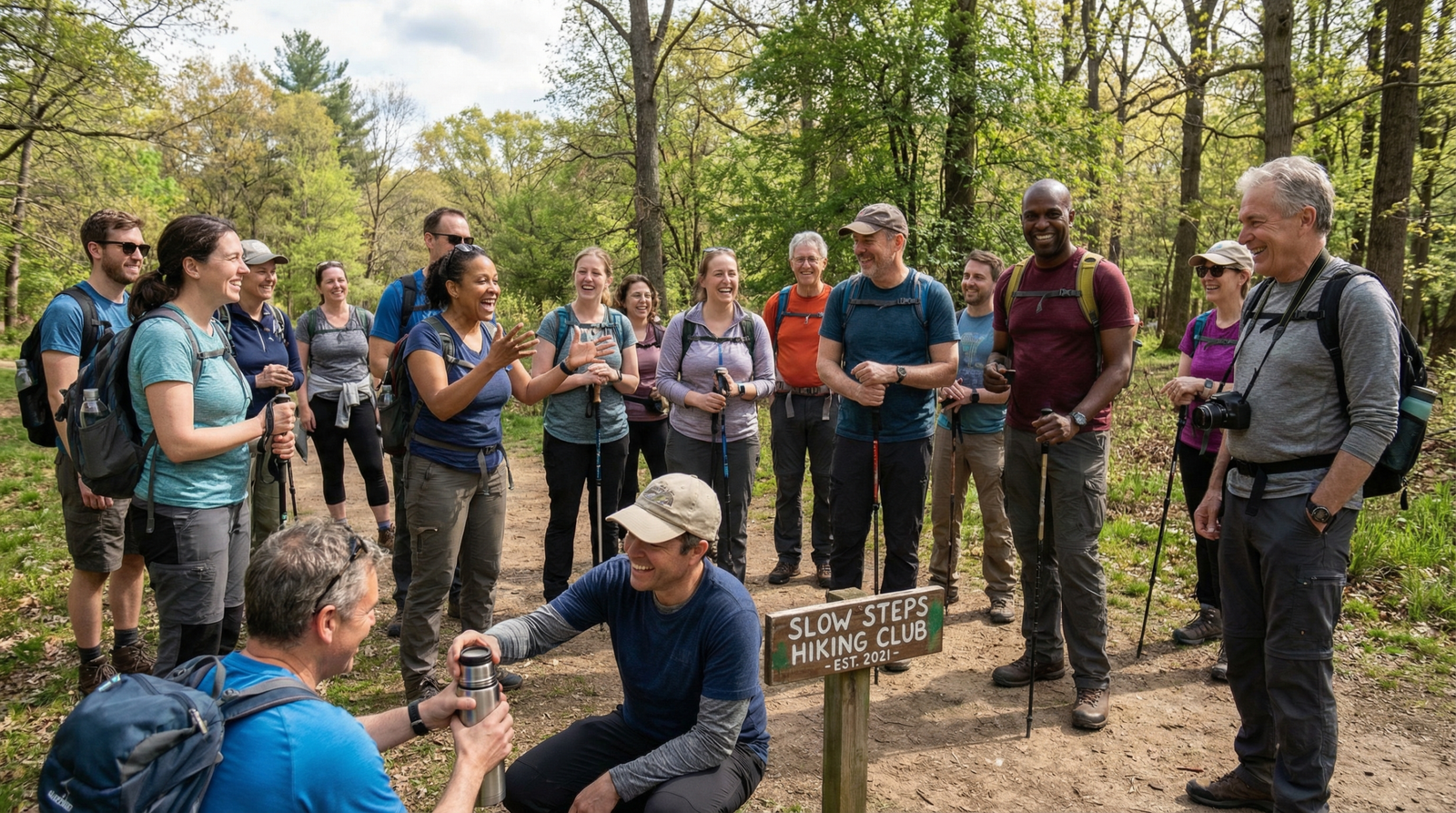
2. Participate in hobby groups or clubs that encourage repeated, low-pressure social interactions. Examples include co-ed sports teams, hiking clubs, dance classes, and improv workshops. These environments allow individuals to gradually get to know others in a setting that mimics the small-group social structures in which humans evolved.
3. Shift focus from identifying red flags to recognizing positive indicators, or “green flags.” Eastwick distinguishes between red flags that cause immediate discomfort, such as rude behavior, and those that involve forecasting future problems like inconsistent communication habits. He advises that dwelling excessively on potential future issues may hinder relationship development by fostering caution and emotional barriers.
Recognizing the imbalance in single men’s participation in such social settings, Eastwick observes that women tend to engage more frequently in these community activities, sometimes paying fees that men do not. He suggests that men, in particular, could benefit from embracing this approach more actively.
Eastwick’s insights call for a more patient, positive, and interactive approach to dating—one that moves beyond quick judgments and emphasizes relationship-building through direct human connection rather than solely through digital interfaces.