




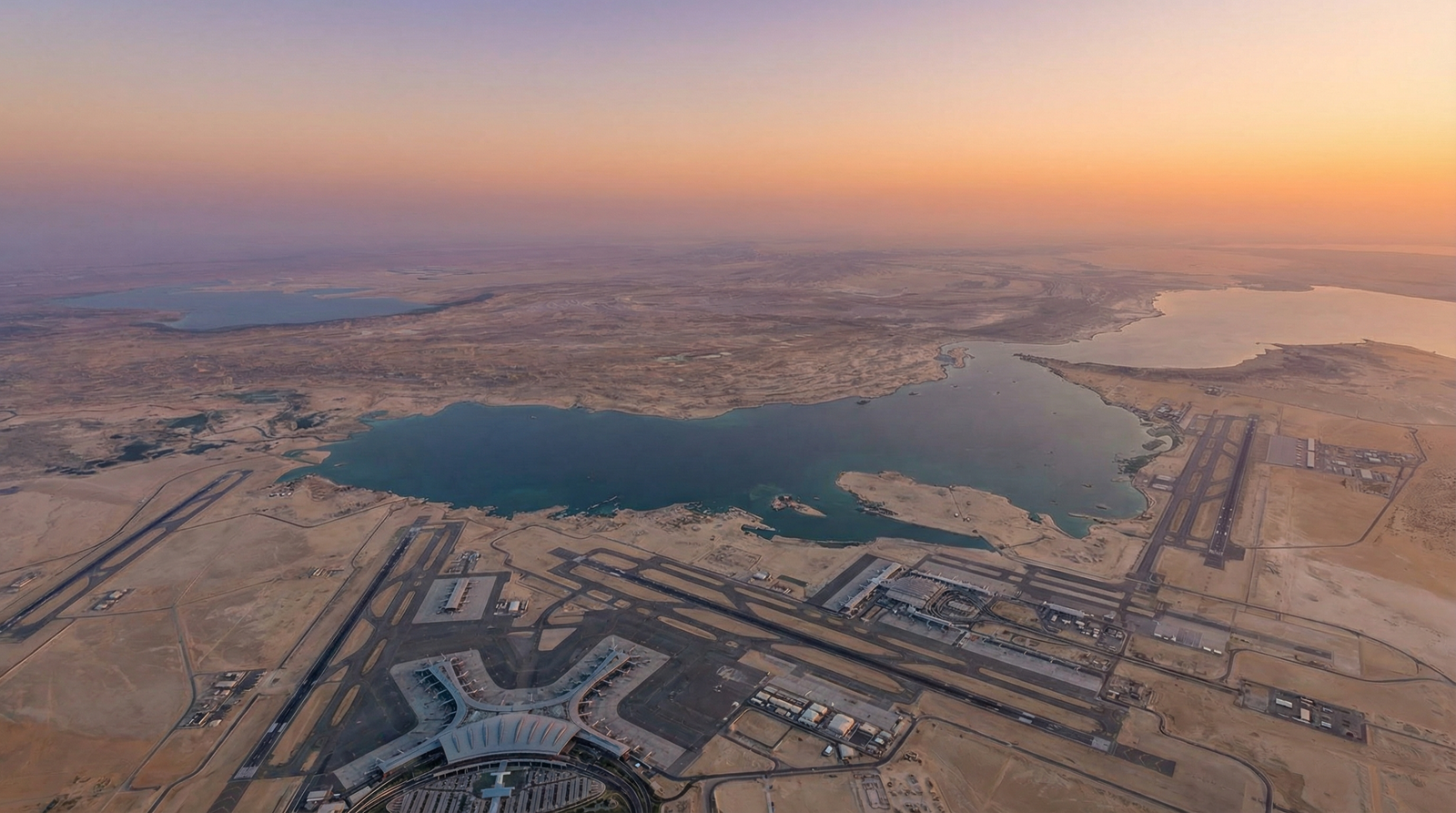

Early on February 28, the airspace over several countries in the Middle East, including Iran, Iraq, Kuwait, the United Arab Emirates, Lebanon, Bahrain, and Jordan, was notably empty. This development followed recent military strikes launched by the United States and Israel targeting Iran. Flight-tracking data from Flightradar24 highlighted the lack of air traffic in the region, showing a clear pause in scheduled flights.
The strikes prompted many international airlines to cancel or reroute flights to ensure passenger safety and avoid potential conflicts in the affected airspace. Airlines worldwide took precautionary measures to navigate away from the volatile areas, prioritizing operational security amid heightened tensions.
The decision to restrict flights and implement rerouting caused significant disruptions in air travel over the Middle East. Airports in the involved countries and the surrounding region experienced changes to their usual air traffic patterns, reflecting the broader impact of the military actions on civil aviation.
While the exact details of the strikes have not been disclosed in this report, the strategic responses by airlines and air traffic control authorities underscore the sensitivity of the current geopolitical climate. The empty skies illustrate the immediate consequences of the military actions on commercial aviation and regional airspace usage.
Authorities and airlines are likely monitoring the situation closely to adjust flight operations as circumstances evolve, aiming to resume normal air traffic once it is deemed safe to do so. The incident draws attention to the ripple effects that military engagements can have on international travel and transportation infrastructure.