
A Sudden Illness That Escalated Within Hours
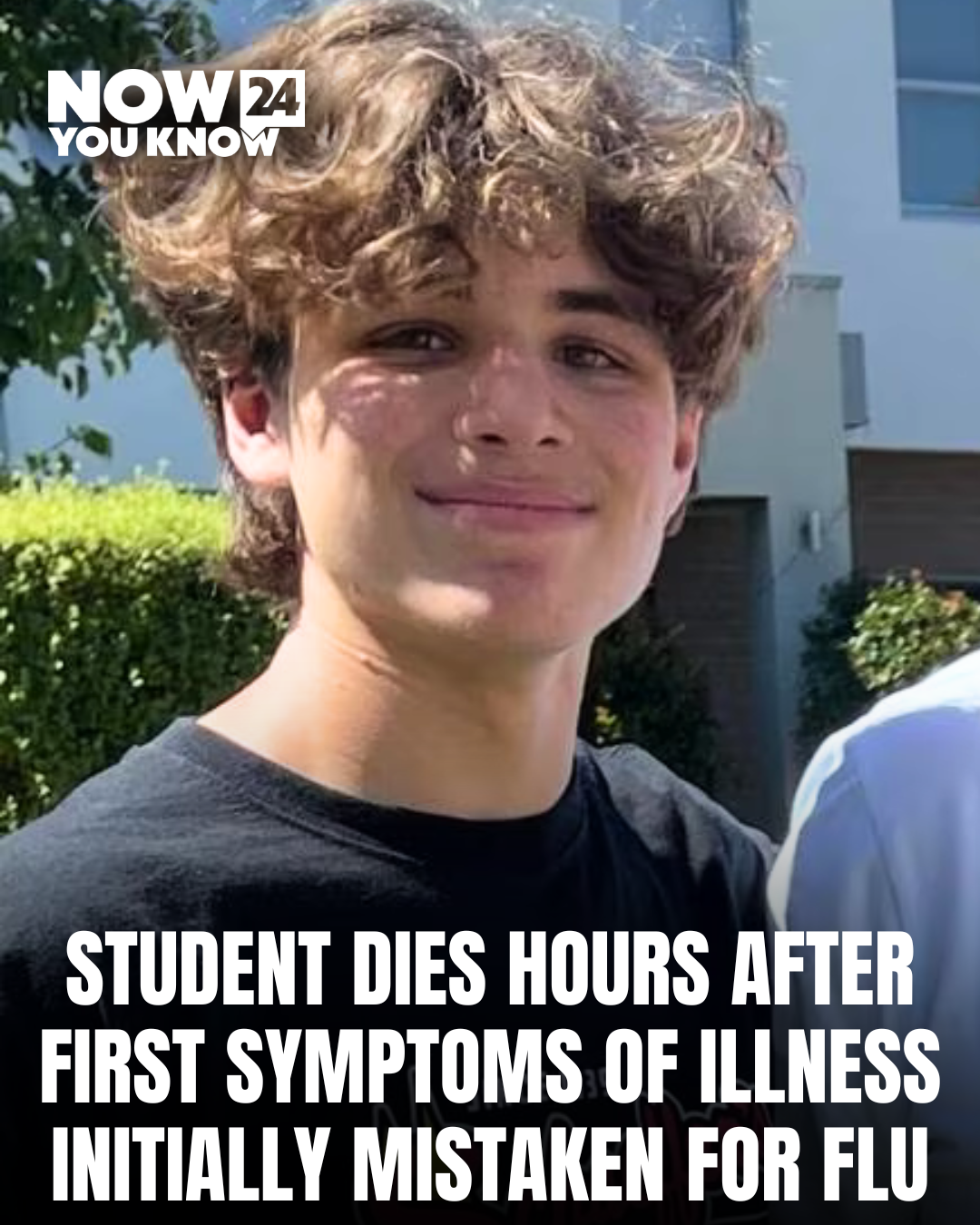
A 21-year-old student has died just hours after first experiencing symptoms that initially seemed like the flu.
Alexander “Zander” Philogene, an Australian studying abroad in Austria, began feeling unwell while returning to Vienna from a trip to Porto. He reportedly told friends he was experiencing dizziness, headaches and shortness of breath during the flight.
Within hours of landing, his condition rapidly worsened — and he suffered cardiac arrest at the airport. Despite being airlifted to hospital, doctors were unable to save him.
The Condition Behind the Tragedy
Zander was later diagnosed with Meningococcal group B disease, a rare but extremely serious bacterial infection.
This illness can inflame the lining of the brain and spinal cord and, in some cases, lead to blood poisoning. What makes it especially dangerous is how quickly it can progress — sometimes becoming fatal within a single day, even in otherwise healthy young people.
Early symptoms can easily be mistaken for common illnesses like the flu, which makes rapid diagnosis difficult.
Warning Signs Often Overlooked
Health experts warn that early symptoms may include:
- Fever, headaches, or dizziness
- Nausea or shortness of breath
- Sensitivity to light
- Unusual rashes (in some cases)
Because these signs overlap with far less serious conditions, the disease can advance before people realize how severe it is.
Family Left Devastated
Zander’s family described his death as “every parent’s worst nightmare,” with loved ones saying the loss has left a profound void.
Friends and the wider community have since rallied around the family, launching a fundraiser to help support them during this devastating time.
What Happens Next
Cases like this often reignite discussions around awareness and vaccination for meningococcal diseases, particularly among young people and those traveling abroad.
While rare, the speed at which infections like Meningococcal group B disease can escalate is what makes them so dangerous — and why recognizing early symptoms can be critical.