



A Texas judge is scheduled to review a formal declaration of innocence for four men wrongfully accused of the 1991 Austin yogurt shop murders, a case that has haunted the city for decades. The murders involved the killing of four teenage girls at an Austin yogurt store in a crime initially linked to these men, including one who was convicted and sentenced to death.
The wrongful accusations involved Michael Scott, Forrest Welborn, Robert Springsteen, and Maurice Pierce. Of these, Springsteen was convicted and spent years on death row before his conviction was overturned. Pierce died in 2010, and Springsteen was not expected to attend the upcoming hearing. Two of the men, Scott and Welborn, are expected to be present.
The murders, which took place in 1991, shocked Austin’s community. The victims—Amy Ayers (13), Eliza Thomas (17), and sisters Jennifer and Sarah Harbison (17 and 15)—were bound, gagged, shot in the head, and the crime scene was set on fire. After a lengthy investigation, the four men were arrested in 1999 based on confessions later claimed to have been coerced. Their convictions were overturned in the mid-2000s, with charges against Welborn dismissed following grand jury refusals to indict and Pierce’s charges dropped after three years in jail.
Prosecutors initially sought to retry Scott and Springsteen, but the case weakened after DNA testing identified another male suspect, leading to dismissal of charges in 2009. The case remained cold until renewed interest arose in 2025, partly due to an HBO documentary exploring the unsolved crime.
In September 2025, investigators announced they had linked the murders to Robert Eugene Brashers, a suspect connected through advanced DNA technology. Brashers had a history of violent crimes including a 1990 South Carolina strangulation, the 1997 sexual assault of a minor in Tennessee, and a 1998 shooting in Missouri. DNA from beneath Amy Ayers’ fingernail matched Brashers’, and other evidence connected him to the crime scene, including his arrest near El Paso two days after the murders with a firearm matching the caliber used in the killings.
Brashers, who died by suicide in 1999 during a police standoff, exhibited crime patterns similar to those seen in the yogurt shop murders, such as binding victims and setting crime scenes on fire.
Travis County District Attorney José Garza emphasized the length of time the men have waited for justice and noted that a formal declaration of innocence is critical not only for clearing their names but also for potential financial compensation for the years spent incarcerated.
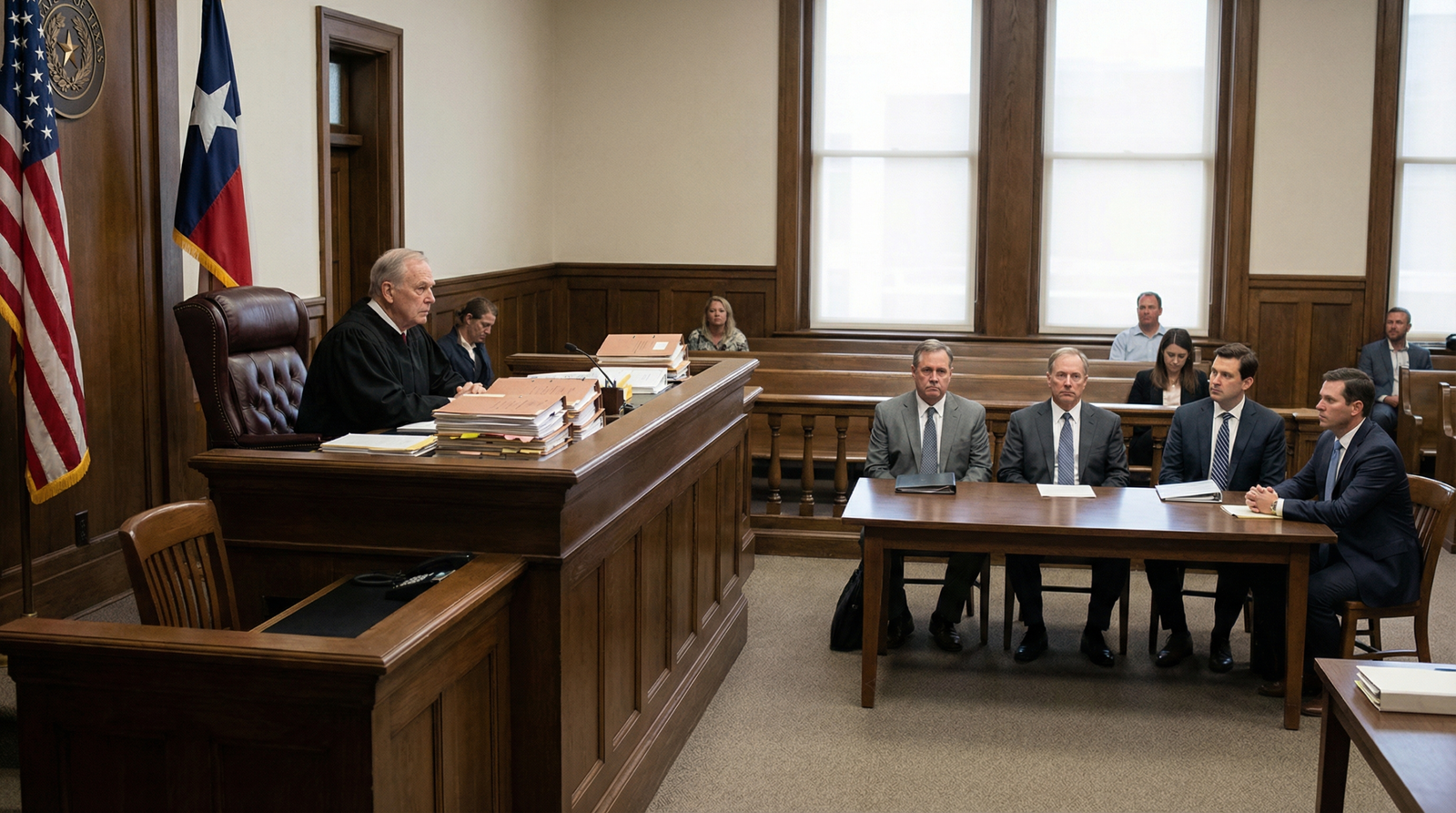
The formal hearing before state District Judge Dayna Blazey represents a significant step towards closing this longstanding case, offering resolution to the men and families affected as the city continues to reckon with the impact of the murders.