



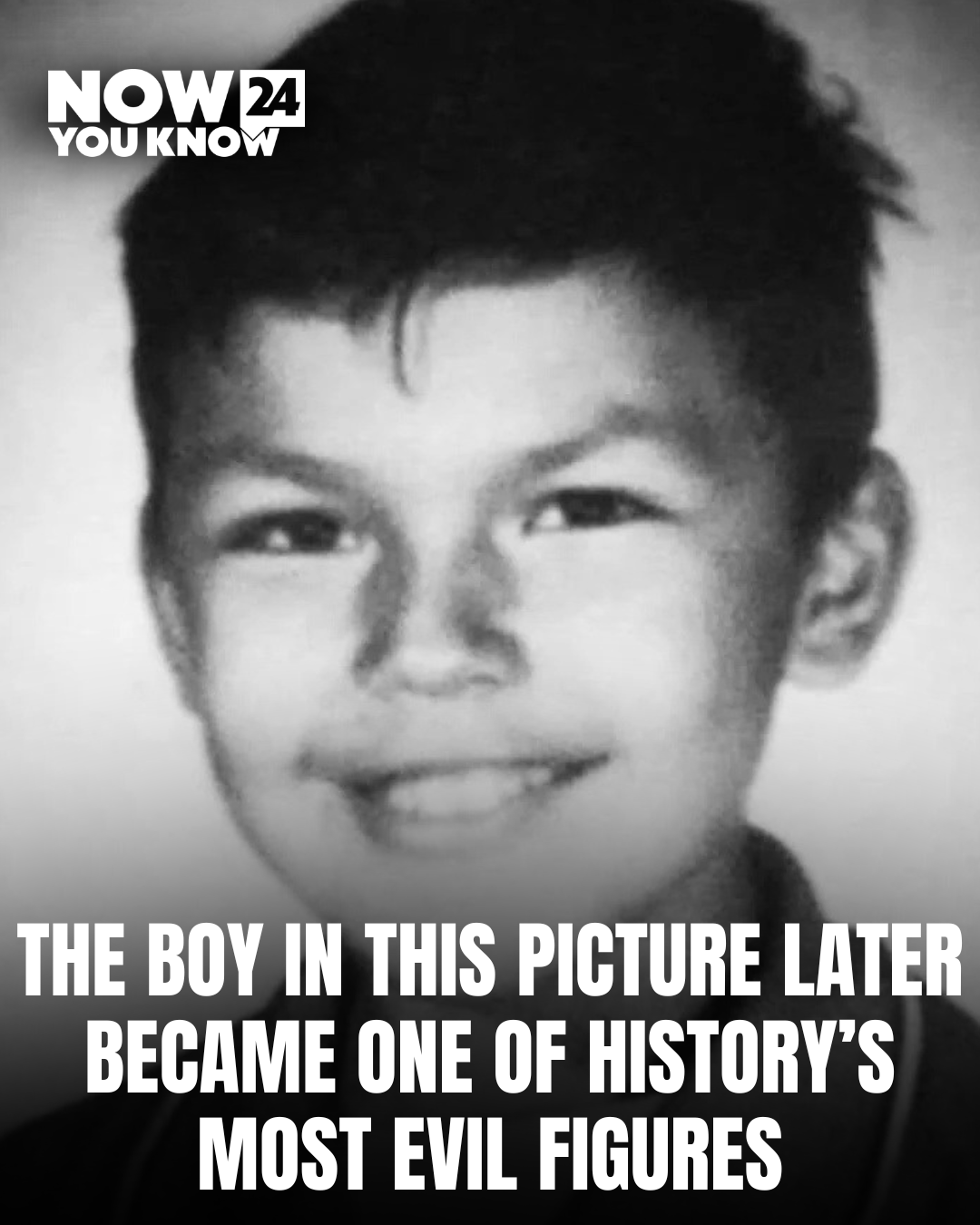

At first glance, the boy in the photograph seems ordinary — a faint smile, bright eyes, the kind of face you’d expect in a school yearbook or tucked into a family album. Nothing about him hints at darkness, cruelty, or the terror he would one day unleash.
He grew up in a troubled environment long before the world knew his name. Violence, instability, and disturbing influences surrounded him from a young age. Neighbors recall that nothing seemed “off” at first. He blended in, laughed, and existed quietly — a boy who seemed no different from any other.
As he reached adulthood, a series of horrifying crimes began to surface, spreading panic across entire communities. People were gripped by fear and struggled to make sense of the violence, but his identity remained unknown for a time.
What shocked many was how ordinary his beginnings appeared. There was no single moment when evil seemed to announce itself. Instead, it was a slow, disturbing unraveling — shaped by trauma, neglect, and choices that spiraled out of control.
It wasn’t until later that the world learned the boy’s name: Richard Ramirez. Suddenly, the smiling child in the photo became synonymous with terror, a stark contrast to the innocence captured on film decades earlier.

Psychologists still debate how much of his fate was shaped by environment versus personal responsibility. But the photograph remains haunting: a reminder that monsters are not always obvious from the start. They can look like children we pass by every day.
Today, the photo continues to circulate online, not to glorify him, but to unsettle and challenge us — a chilling lesson about how appearances can hide the darkest truths.