


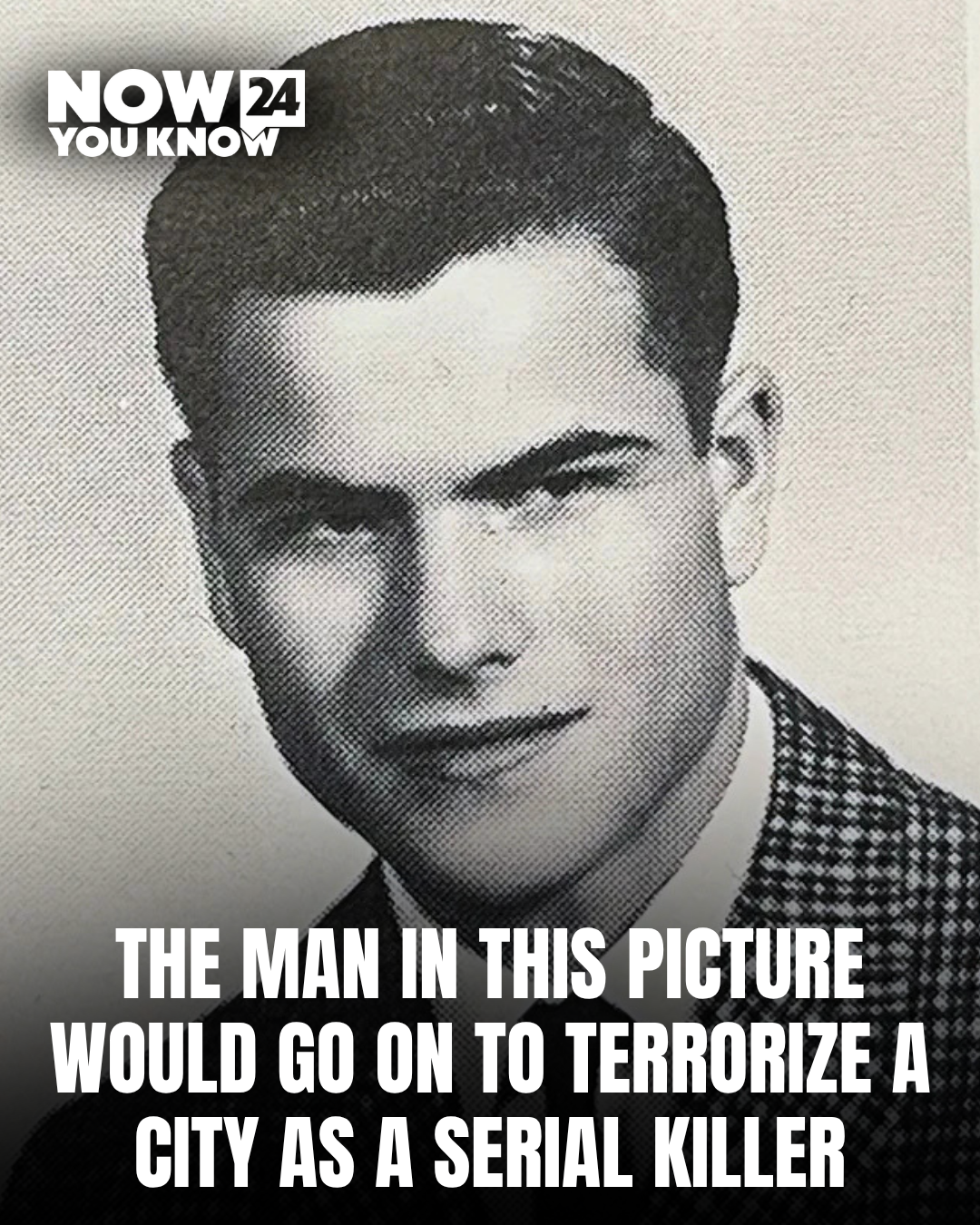

In the quiet suburbs of Wichita, Kansas, in the 1950s, he seemed like any other boy. He was a Boy Scout, spent time outdoors, and eventually served his country in the Air Force. Those who knew him then would describe him as unremarkable—perhaps a bit rigid or socially awkward—but certainly not a monster. He eventually settled into a stable life, marrying, fathering two children, and becoming a leader in his local Lutheran church. He even worked as a compliance officer, a job that required him to enforce the rules and maintain order.
However, beneath this veneer of Midwestern normalcy, a disturbing obsession had been brewing since his childhood.
The Reign of Terror
Beginning in 1974, the city of Wichita was plunged into a state of chronic fear. It started with the brutal murder of four members of the Otero family inside their home. The killer didn’t just commit these acts; he craved the attention that followed. He began a cat-and-mouse game with the media and the police, sending taunting letters that detailed his crimes.
His methodology was chillingly consistent. He referred to his process as “Bind, Torture, Kill,” a phrase that would eventually provide the moniker the public used to identify him. He would stalk his victims, often breaking into their homes and waiting for them to return. Between 1974 and 1991, he claimed ten lives, ranging from young women to an elderly neighbor.
The Long Silence and the Fatal Mistake
After 1991, the murders appeared to stop. The killer vanished, leaving behind a cold trail and a community that never truly felt safe. For over a decade, he lived as a respected member of society, his secret buried under years of church meetings and family dinners.
The ego that drove him to kill ultimately became his undoing. In 2004, following local news coverage of the 30th anniversary of the Otero murders, he resumed his correspondence with the police. Seeking to prove he was still active and cleverer than the authorities, he asked if a floppy disk could be traced back to him. The police lied and told him it was safe.
In early 2005, he sent a purple 1.44 MB Memorex floppy disk to a local TV station. Forensic experts quickly recovered a deleted file from the disk: a Microsoft Word document titled “Test Service.” The metadata contained the name “Dennis” and a link to the Christ Lutheran Church.
The Reveal
When police arrived at the church, they confirmed that the man serving as the president of the church council was the same man who had terrorized the state for three decades. On February 25, 2005, the “modest family man” was finally apprehended.
The boy who grew up to be one of America’s most calculating serial killers was Dennis Rader, better known by the self-appointed nickname he used in his letters: BTK.