


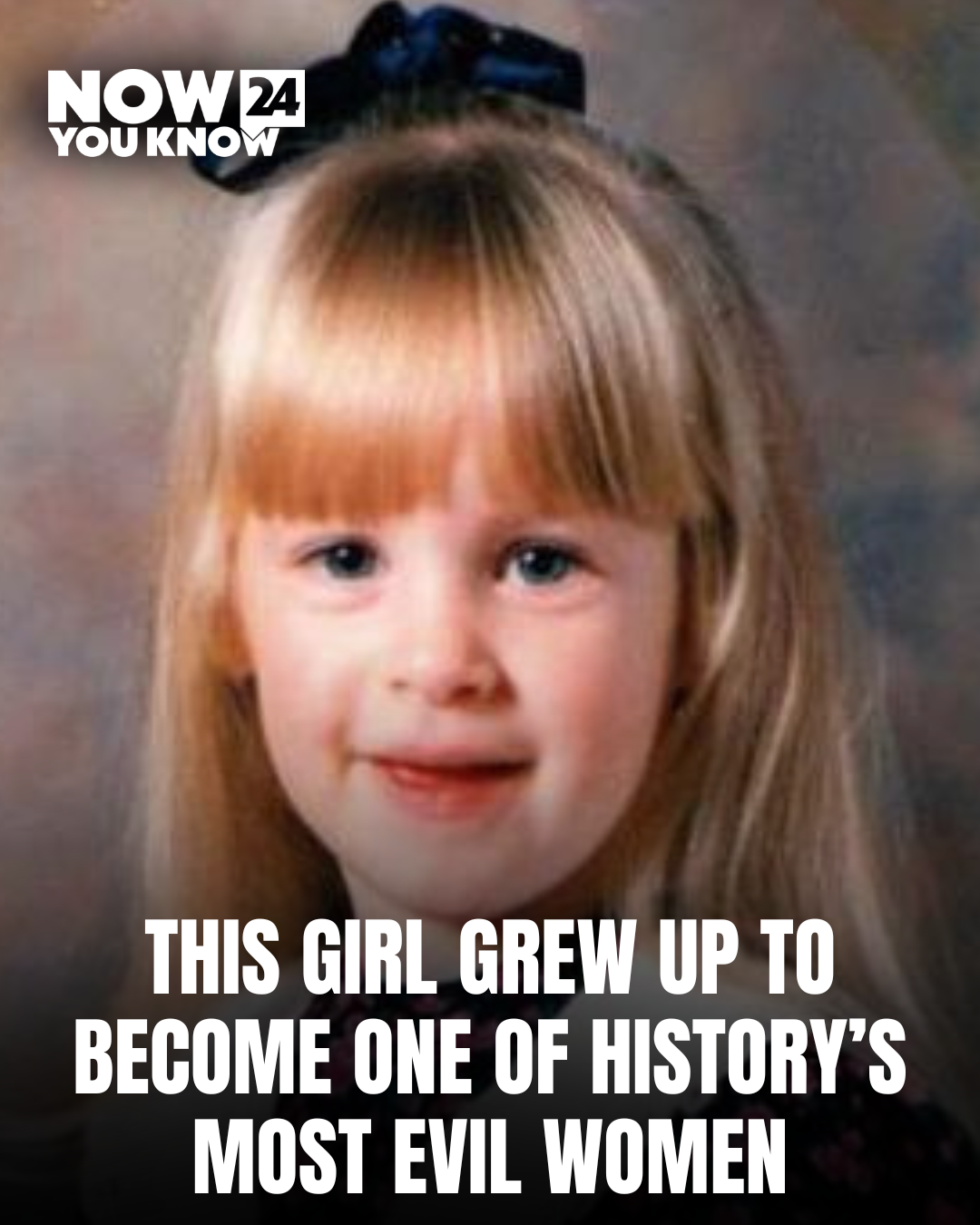

At first glance, she looked like hope in scrubs. A quiet nurse, smiling for photos, caring for newborns who were barely clinging to life. Nothing about her appearance suggested anything unusual.
Then the babies started dying. One by one. Sudden collapses that left families devastated and doctors searching for answers. At first, many were told it was just tragic coincidence. But behind the scenes, suspicions began to grow.
Colleagues started noticing patterns that were hard to ignore. Healthy infants would suddenly deteriorate. Whispers spread through hospital corridors that something was not right. What began as quiet concern slowly turned into a full investigation.
Years later, a jury reached a shocking conclusion. The nurse at the center of it all was identified as Lucy Letby, and her case would go on to become one of the most disturbing in modern British history.
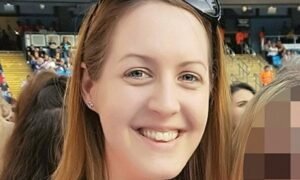
Her conviction for the murder and attempted murder of vulnerable newborns sent shockwaves across the country. Families were left grieving, while the public struggled to understand how such acts could happen in a place meant to protect life.
But even after the verdict, the story did not end. Appeals were rejected, yet debate continues. Some international experts have questioned aspects of the medical evidence, suggesting alternative explanations and raising concerns about how the case was handled.
Today, the case remains deeply divisive. For some, it represents one of the most chilling crimes in recent memory. For others, it raises uncomfortable questions about medicine, accountability, and whether the full truth has truly been uncovered.