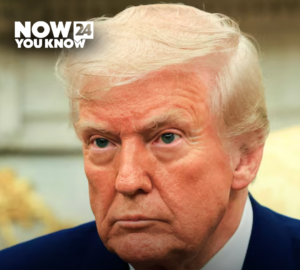


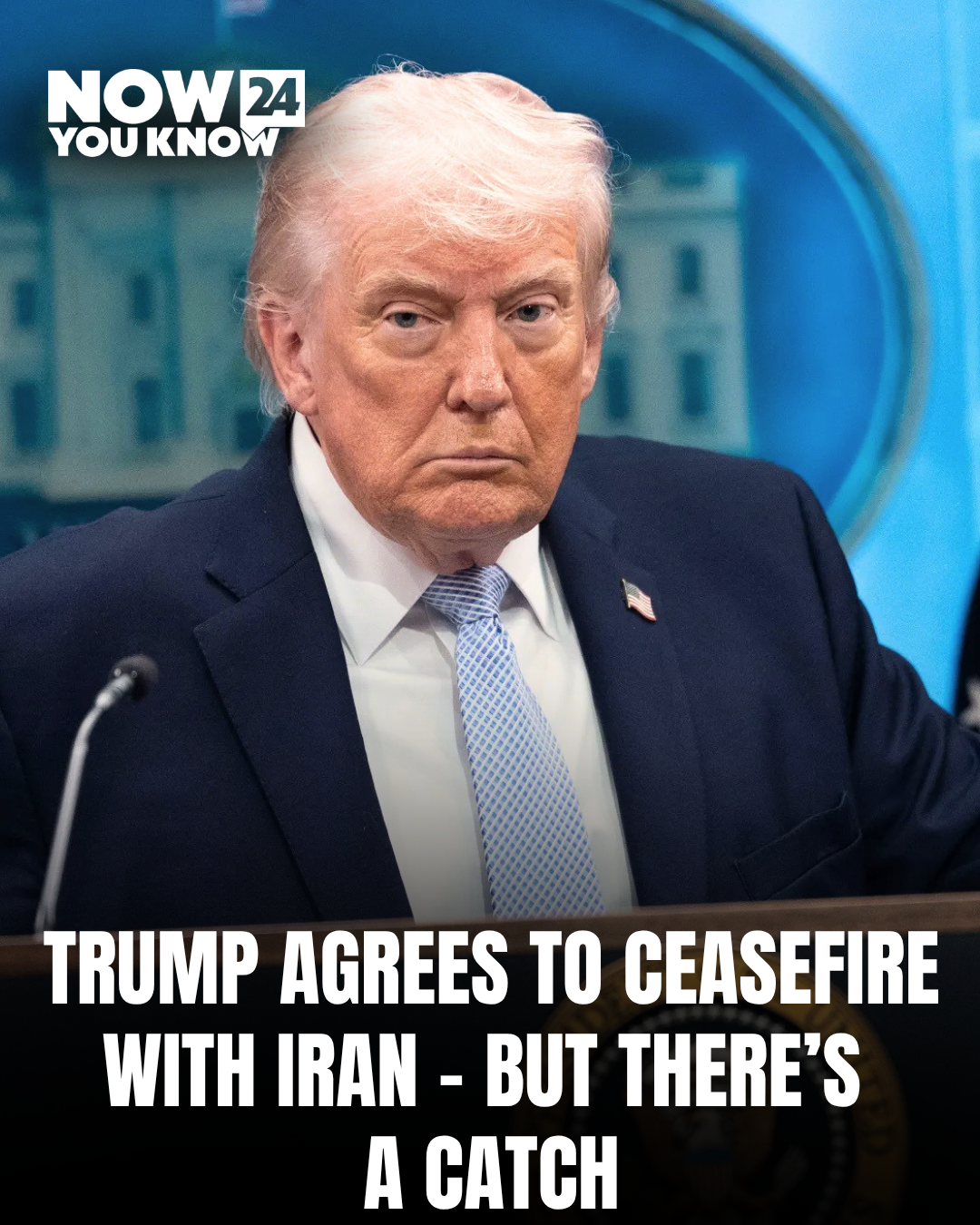

President Donald Trump has agreed to a two-week ceasefire with Iran, just hours before a deadline that had raised fears of major escalation.
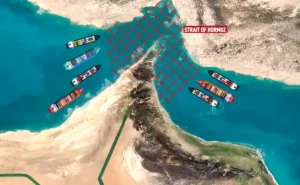
Trump said he would “suspend the bombing and attack of Iran for a period of two weeks” on the condition that Iran reopens the Strait of Hormuz, a critical global shipping route.
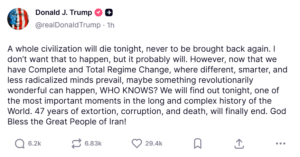
Earlier, he issued a stark warning, saying “a whole civilization will die tonight” if Iran failed to comply, while also threatening large-scale attacks on infrastructure.
Iran responded by agreeing to allow safe passage of marine traffic through the Strait for the same two-week period, as long as vessels coordinate with its armed forces. Foreign Minister Abbas Araghchi added that Iran would halt military operations unless attacked.
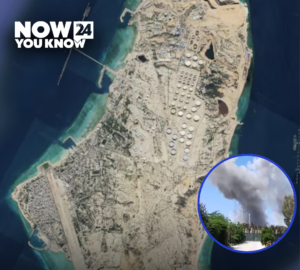
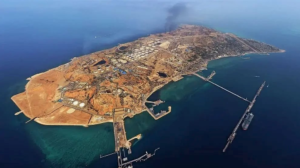
Despite the ceasefire agreement, tensions remain high. Reports confirmed that the U.S. carried out intense strikes on Kharg Island, Iran’s main oil export hub, targeting military sites overnight.
In a separate development, Iran-backed militia group Kataib Hezbollah said it would release American journalist Shelly Kittleson, who had been kidnapped in Iraq. U.S. Secretary of State Marco Rubio confirmed she is now free and being assisted in leaving the country safely.
The broader conflict has already taken a devastating toll. According to rights groups, nearly 3,400 people have been killed, including more than 1,600 civilians, along with multiple casualties across Lebanon, Israel, and U.S. forces.
While the ceasefire offers a temporary pause, analysts warn the situation remains extremely fragile, with the risk of renewed conflict still looming after the two-week window.