




The war involving Iran is continuing to ripple across global politics and energy markets, with leaders now scrambling to respond to rising fuel costs and growing security concerns. Several countries are beginning to feel the economic pressure as oil prices surge.
In the UK, Prime Minister Keir Starmer is expected to outline financial support for households that rely on heating oil after prices spiked following the escalation of the conflict. Many rural homes depend on heating oil, making them particularly vulnerable to sudden price increases.
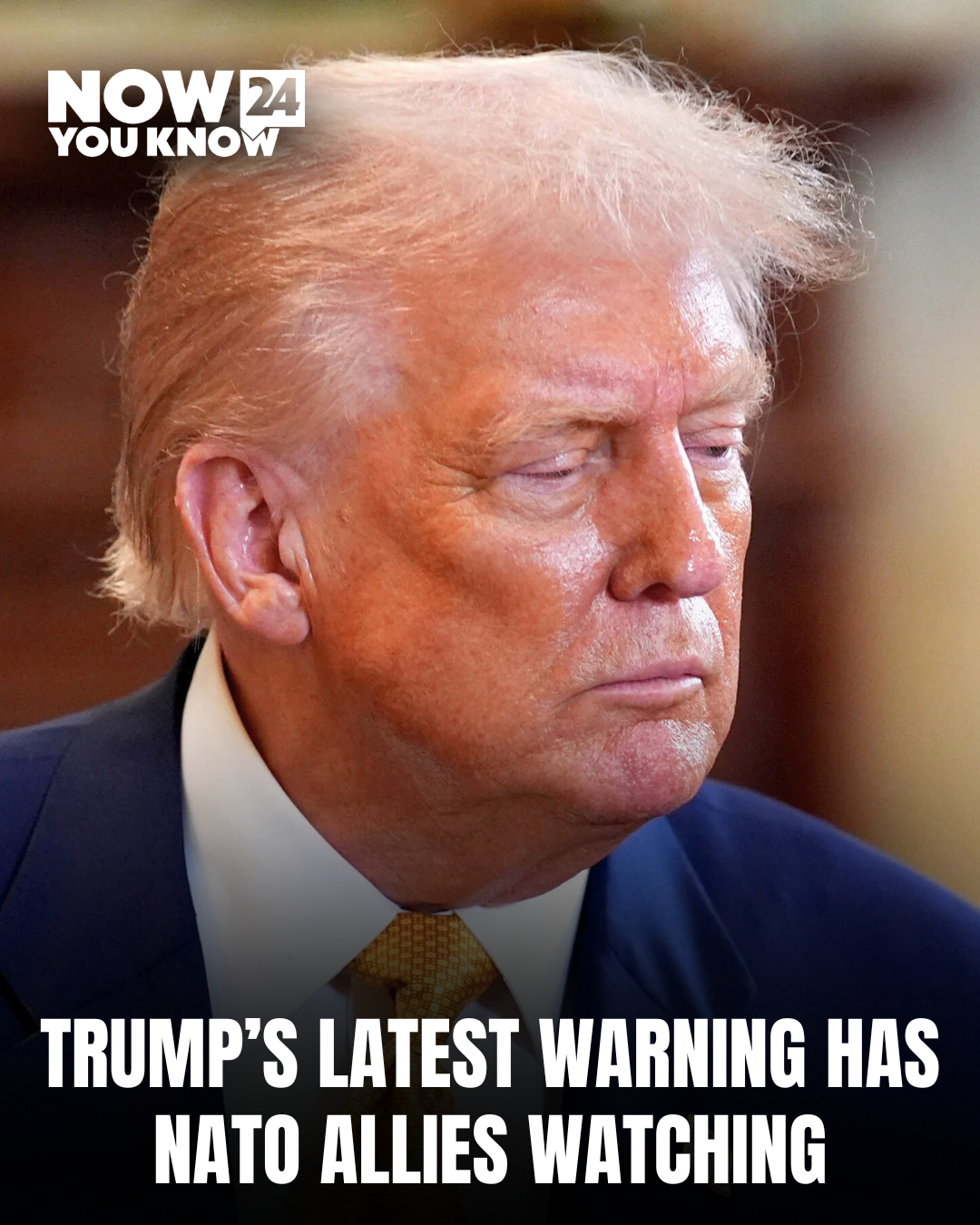
At the same time, US President Donald Trump has issued a warning to NATO allies over security in the Strait of Hormuz, one of the world’s most important oil shipping routes. The narrow waterway is responsible for transporting a large share of the world’s energy supplies.
Trump said it would be “very bad for the future of Nato” if allies fail to help secure the strategic passage. He revealed that the United States is currently speaking with several countries about potentially helping police the strait.
In an interview with the Financial Times, Trump also suggested that China should play a role in ensuring ships can pass through safely. He warned he could delay a future summit with Chinese leader Xi Jinping if Beijing does not help unblock the route.
Speaking aboard Air Force One, the US president said discussions were underway with “about seven” different countries regarding possible patrol efforts. He added that Washington would “remember” which nations choose to assist.
Meanwhile, the conflict is expanding elsewhere in the region. Israel said it has begun “limited and targeted ground operations” against the Iran-backed militant group Hezbollah in southern Lebanon, raising concerns that the fighting could spread further across the Middle East.