


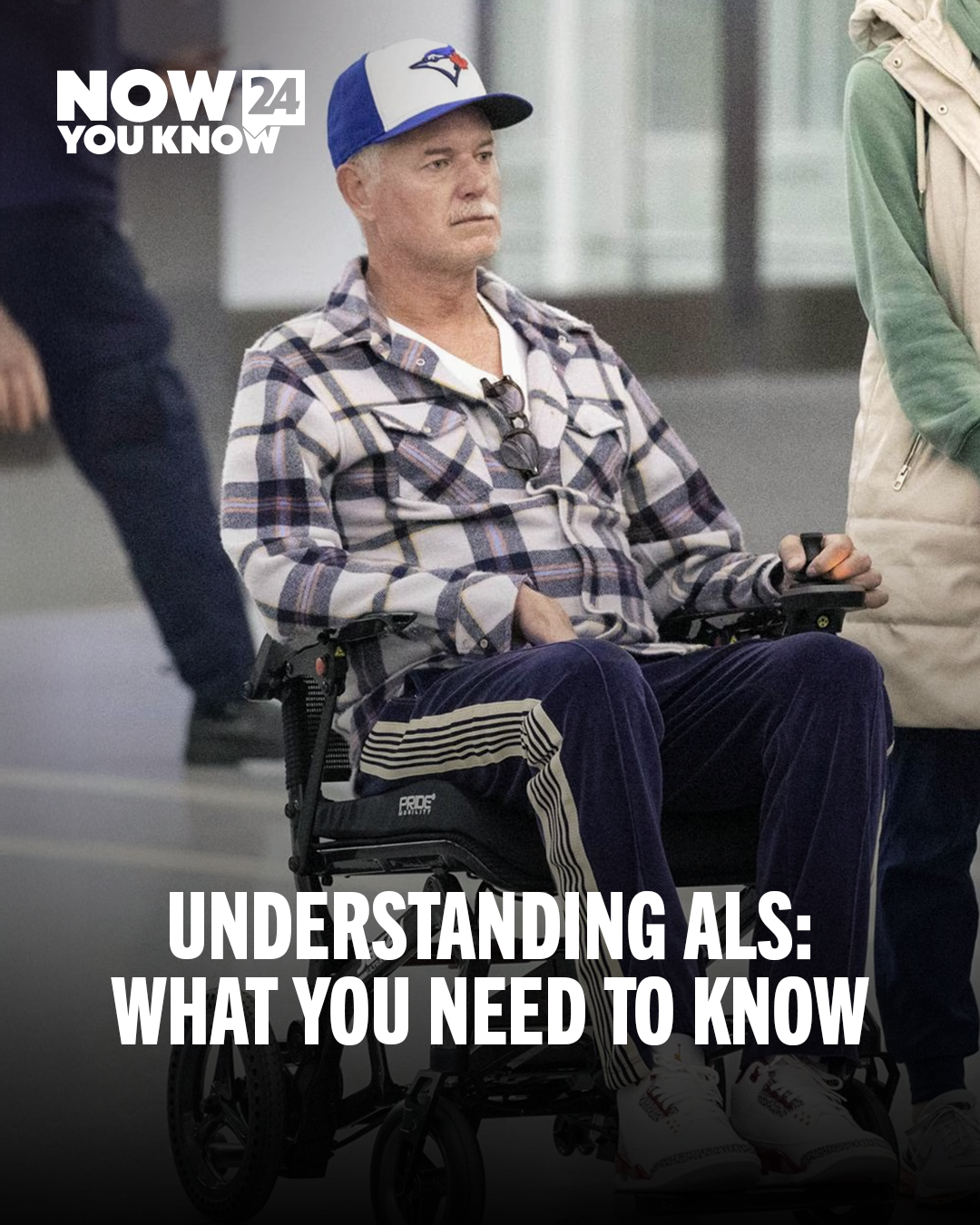

Amyotrophic Lateral Sclerosis (ALS), also known as Lou Gehrig’s disease, is a progressive neurological disorder that affects nerve cells in the brain and spinal cord. These cells control voluntary muscle movements, and as they deteriorate, the ability to move, speak, eat, and eventually breathe independently becomes impaired.
ALS often starts subtly, with early signs like muscle weakness, twitching, or slurred speech. As the disease progresses, muscles gradually waste away, and patients experience increasing difficulty with daily activities such as walking, holding objects, or swallowing.
One of the most challenging aspects of ALS is that it affects physical function while typically leaving mental abilities intact. Patients remain fully aware of their declining mobility, which can lead to emotional stress and frustration.
The exact cause of ALS is not fully understood, though both genetic and environmental factors are believed to play a role. In some cases, it can run in families, but most diagnoses occur sporadically.
Currently, there is no cure for ALS. Treatment focuses on managing symptoms, improving quality of life, and supporting patients with therapies such as physical therapy, occupational therapy, speech therapy, and respiratory care.
Medications like riluzole and edaravone may help slow disease progression, but ongoing research is crucial to understanding and developing better treatments for ALS.
Support networks, both for patients and their families, play a vital role in coping with the disease. Organizations and advocacy groups provide resources, information, and community support to help navigate the physical and emotional challenges of ALS.
Early diagnosis, symptom management, and strong emotional support can make a meaningful difference in the lives of people living with ALS, emphasizing the importance of awareness and research in the fight against this disease.