

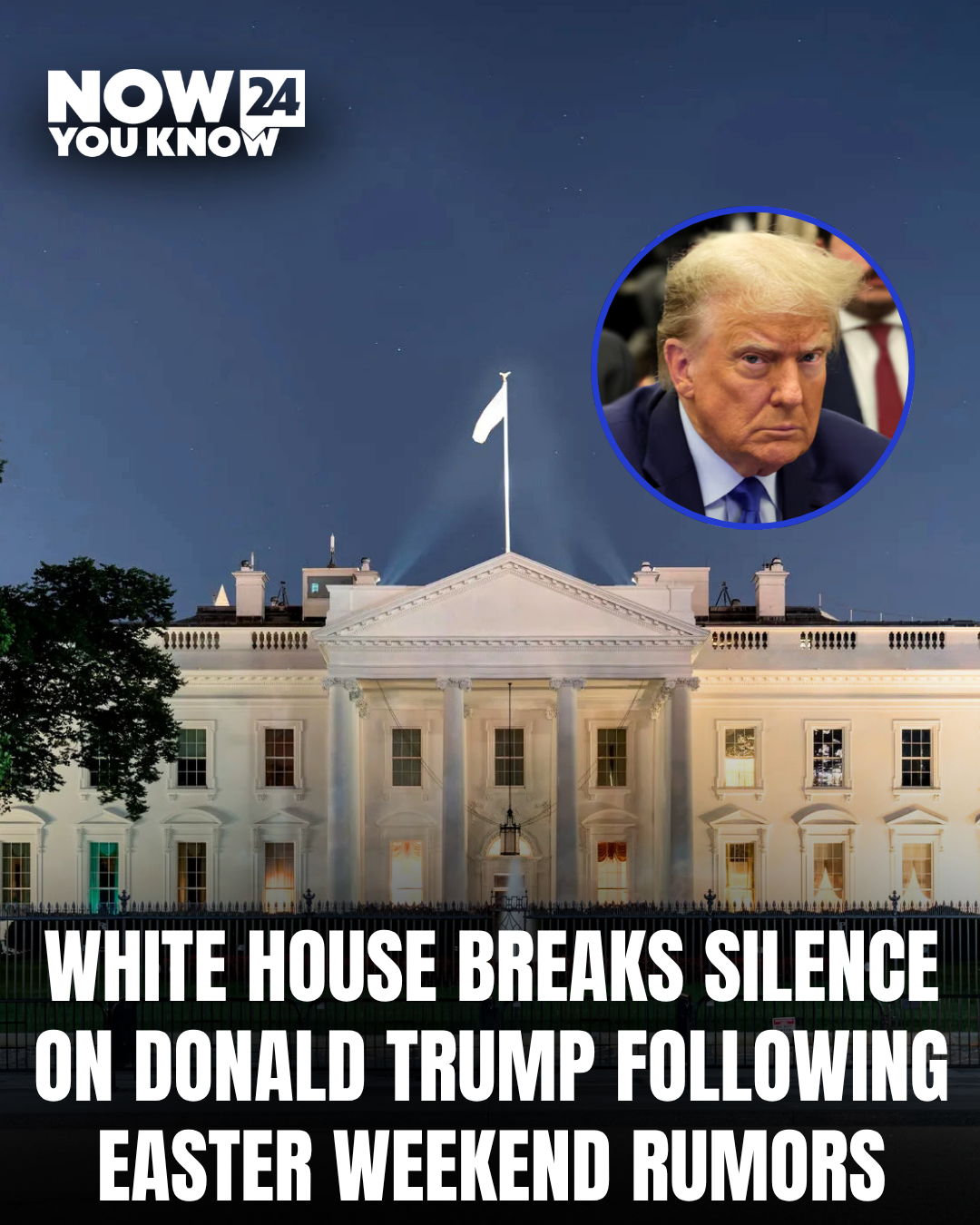

In the age of instant information, a single gap in a public schedule can trigger a national firestorm. Over the recent Easter weekend, that is exactly what happened as a vacuum of information led to one of the most viral social media narratives of the year involving President Donald Trump.
What started as scattered observations about a break in the President’s routine quickly escalated into a wave of unverified claims. By Sunday evening, hashtags were trending with speculation ranging from secret medical treatments to extreme allegations regarding the President’s health.
The Weekend That Sparked the Rumors
The speculation began when the White House announced an unusual break in the President’s public appearances for the holiday. Traditionally, the Commander-in-Chief makes at least one visible appearance or televised statement during major national holidays. When that didn’t happen, the internet moved to fill the silence.
Reports of supposed “road closures” near Walter Reed National Military Medical Center began to circulate, alongside screenshots from accounts claiming to have “inside knowledge” of a medical emergency. Despite a lack of photographic evidence, the narrative gained enough momentum to dominate news feeds for 48 hours.
Clues from the West Wing
While the internet speculated, seasoned observers pointed to a different story unfolding on the White House grounds. Journalists noted that the standard high-alert protocols remained unchanged. Specifically, the Marine sentry remained at his post outside the West Wing—a traditional indicator that the President is inside and actively working in the Oval Office.
Furthermore, the President remained active on his own social media channels, posting a series of updates regarding foreign policy and immigration. However, for many, digital posts weren’t enough to quell the growing curiosity.
The White House Response
As the rumors reached a fever pitch, the administration moved to shut down the speculation with a direct and forceful update. Steven Cheung, the White House Communications Director, issued a statement aimed at shifting the narrative from “medical mystery” to “military management.”
“There has never been a President who has worked harder for the American people than President Trump,” the statement read. The administration clarified that while the public saw an “absence,” the President was actually engaged in nonstop work within the Oval Office, overseeing a complex series of domestic and international policy shifts.
The “Rescue” Reveal
The full “payoff” for the weekend’s silence came shortly after, during the annual White House Easter Egg Roll. The President used the appearance to address the crowds directly, moving to dismiss the rumors not with a medical report, but with a military update.
He highlighted a successful—and high-risk—military rescue mission that had taken place during the window of his public absence. By framing the “missing weekend” as a period of intense focus on national security, the administration sought to turn a PR crisis into a display of presidential activity.
In a political climate where health and age remain under a constant microscope, this weekend served as a stark reminder of how quickly “official silence” can be interpreted as a crisis—and how the White House uses major updates to regain control of the narrative.