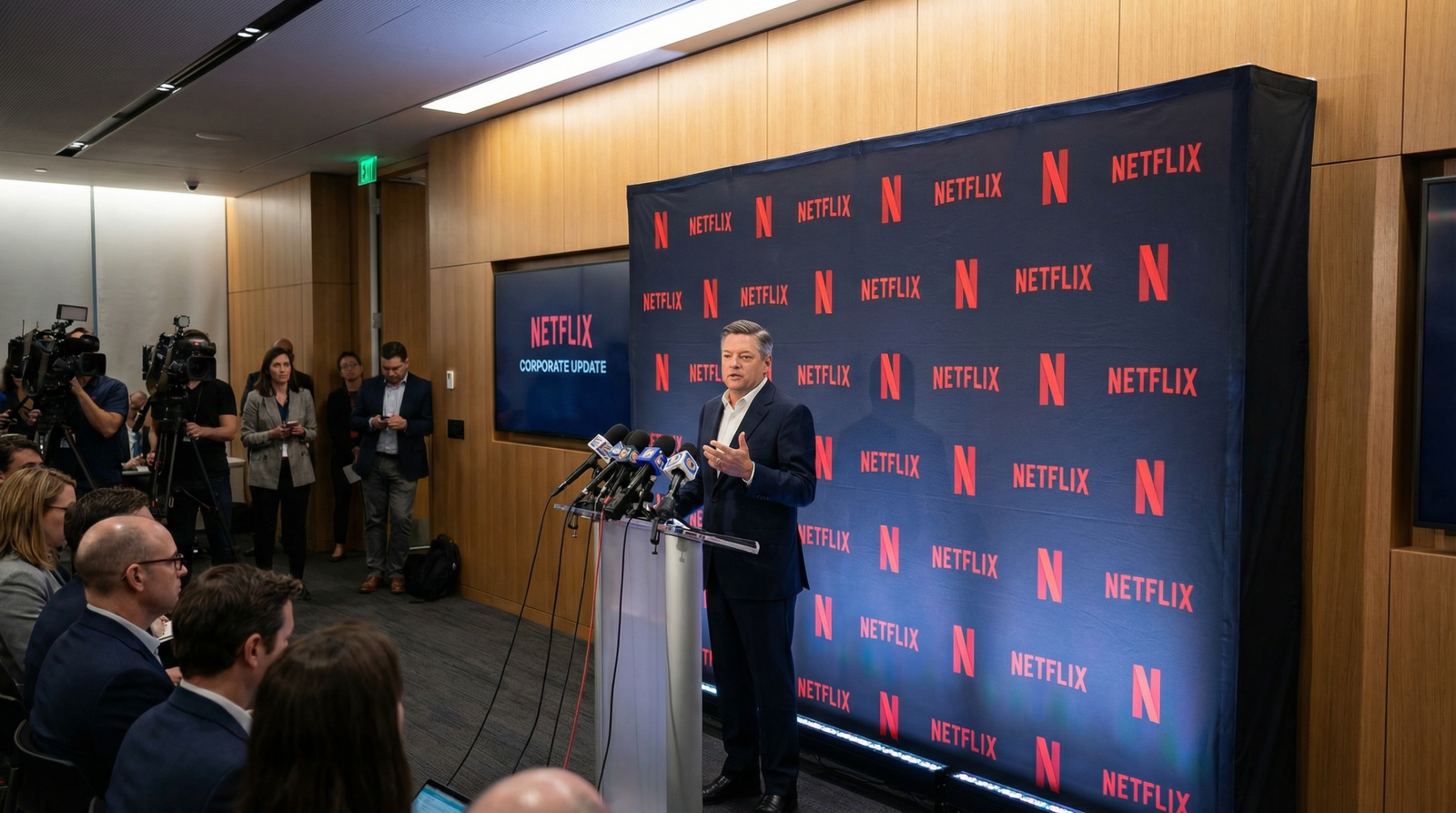

Netflix co-CEO Ted Sarandos has publicly addressed former President Donald Trump’s call to remove Susan Rice from Netflix’s board of directors amid the company’s ongoing bid to acquire Warner Bros. Discovery assets.
In an interview on the BBC’s Today program, Sarandos emphasized that Netflix’s efforts to purchase Warner Bros. are strictly business transactions and not politically motivated. “This is a business deal. It’s not a political deal,” Sarandos said, noting that the acquisition will be subject to scrutiny by the U.S. Department of Justice and multiple regulators worldwide.
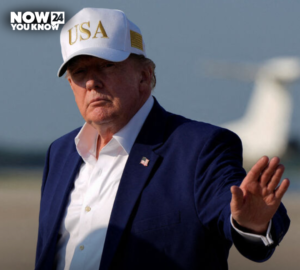
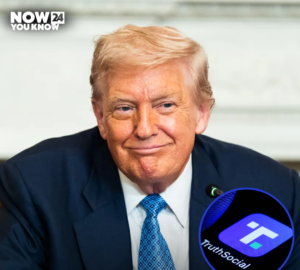
Trump had posted on Truth Social urging Netflix to fire Rice, a former U.S. ambassador and national security advisor under the Obama and Biden administrations. His demand followed Rice’s comments in a podcast discussing how corporations that oppose Trump might face consequences under a future Democratic administration. Sarandos downplayed the significance of Trump’s social media intervention, stating, “He likes to do a lot of things on social media.”
The Netflix-Warner Bros. bid is currently contested by Paramount, which seeks to acquire Warner Bros. Discovery in its entirety. The prospective acquisitions require approval from the Department of Justice’s antitrust division. Earlier this month, Trump had remarked he “shouldn’t be involved” in the transaction, but subsequently shifted his stance, insisting Netflix remove Rice or face repercussions.
Sarandos described the deal as a vertical merger, wherein Netflix aims to acquire assets it does not previously own, which he argues will contribute positively to the market and economic growth. He contrasted this by explaining that Paramount’s bid encompasses a full acquisition of Warner Bros.
The deadline for Paramount to raise its offer was set for the end of the day Monday. While Netflix is focused on securing streaming and studio assets, the competition for Warner Bros. represents a significant moment for the media landscape. Sarandos reiterated that the approval process is under government jurisdiction and that Netflix’s approach centers on business considerations rather than political contexts.
As the situation develops, the involvement of former political figures and ongoing regulatory reviews highlight the complex dynamics surrounding major media acquisitions.