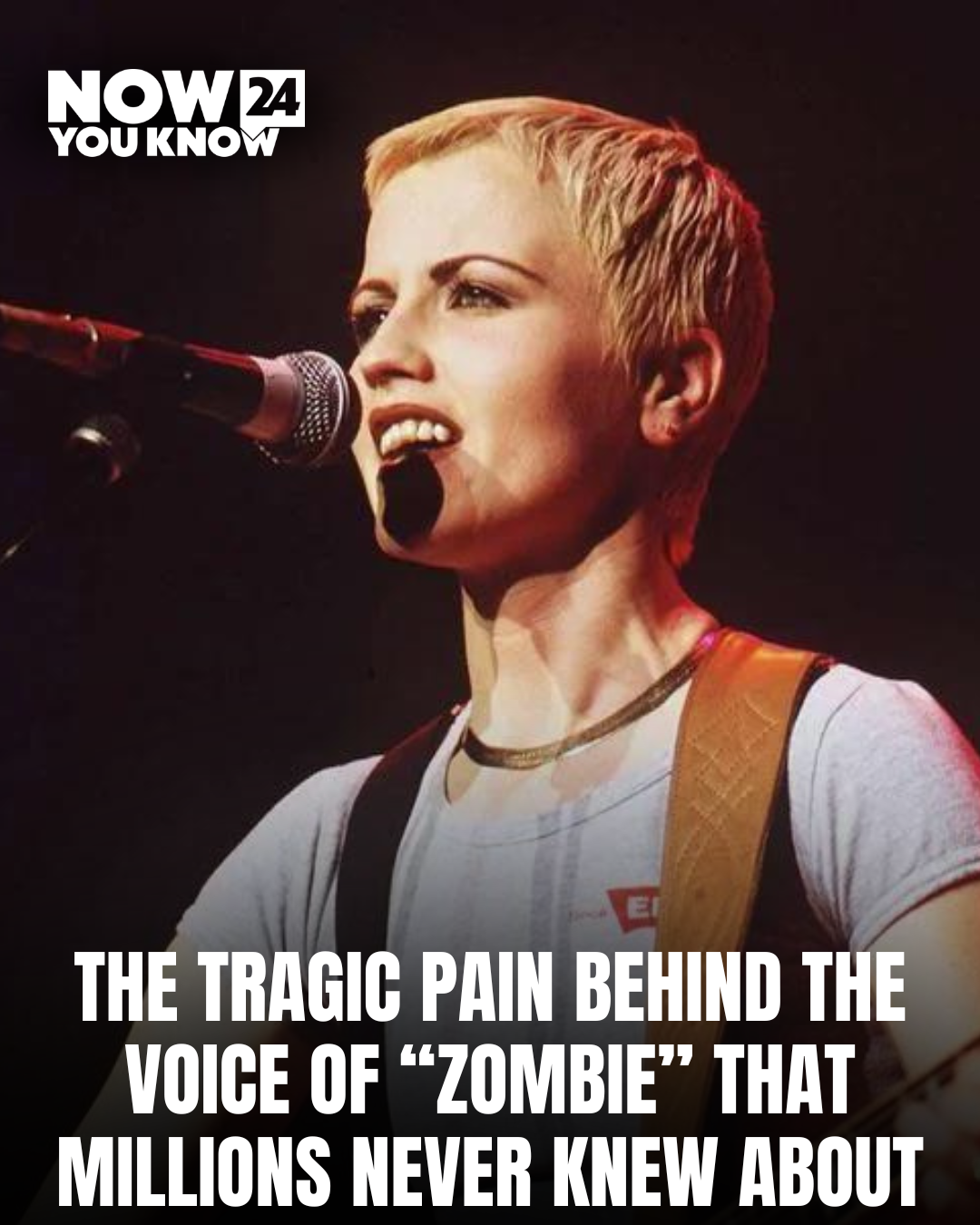

Dolores O’Riordan became one of the most recognizable voices of the 1990s through her work with The Cranberries, but behind the global success was a lifetime of private pain.
For decades, the singer battled trauma, depression, eating disorders, and bipolar disorder while continuing to perform in front of millions around the world.

A Childhood Trauma She Kept Secret
O’Riordan later revealed that she experienced sexual abuse as a child, something she kept hidden for most of her life.
In interviews years later, she explained that the trauma deeply affected her mental health and self-image as she grew older.
She connected many of her later struggles, including depression and anorexia, to the abuse she endured during childhood.
Music Became Her Escape
At 18 years old, O’Riordan joined The Cranberries after auditioning for the Irish rock band in Limerick.
Her haunting voice and emotionally raw songwriting quickly separated the group from other bands of the era.
The band rose to international fame after the release of songs like “Linger” and “Dreams,” which introduced audiences to her deeply emotional style.
“Zombie” Became a Worldwide Anthem
Following the 1993 IRA bombing in Warrington, England, O’Riordan wrote “Zombie,” one of the band’s most iconic songs.

The track addressed violence, trauma, and the emotional scars left behind by conflict.
Its intense vocals and powerful message helped turn the song into a global hit, while also cementing O’Riordan’s reputation as an artist unafraid to confront painful subjects.
Fame Could Not Silence Her Inner Struggles
Despite worldwide success, O’Riordan privately struggled with mental health issues for years.
She openly discussed battling depression, eating disorders, alcoholism, and later being diagnosed with bipolar disorder.

Friends and colleagues often described her as deeply sensitive, carrying emotional pain that fame and success could not erase.
She Spoke Publicly About Her Trauma
In later interviews, O’Riordan courageously spoke about the abuse she experienced as a child and how it shaped her life.
Her honesty resonated with survivors worldwide, many of whom praised her for speaking openly about trauma and mental illness.
Mental health advocates noted that her willingness to discuss painful experiences helped reduce stigma around abuse and bipolar disorder.
Personal Struggles Became Increasingly Public
In 2014, O’Riordan faced public scrutiny after an incident aboard a flight that resulted in her arrest.
She later acknowledged that she had been struggling emotionally during that period of her life.
Rather than denying her difficulties, she spoke candidly about her mental health battles and the effort it took to continue moving forward.
Dolores O’Riordan Died in 2018
O’Riordan died on January 15, 2018, at the age of 46 in London.
A later inquest concluded that the singer died by drowning while intoxicated in a hotel bathtub.
Her death shocked fans around the world and sparked renewed conversations about mental health, addiction, trauma, and the pressures faced by artists behind the scenes.
Her Legacy Still Resonates Today
Years after her death, O’Riordan’s music continues to connect deeply with listeners across generations.
Fans often point to the emotional honesty in her voice and songwriting as the reason her music remains timeless.
For many, her story is remembered not only as one of extraordinary talent, but also as a painful reminder of how hidden trauma can shape a person’s entire life.